
Optimal Speaker Placement Techniques for Superior Audio Clarity
Discover expert tips on how to place your speakers for optimal sound quality. From ideal distances to walls to Angling techniques, learn how strategic placement transforms your listening experience. Perfect for home entertainment enthusiasts aiming for professional-grade audio clarity.
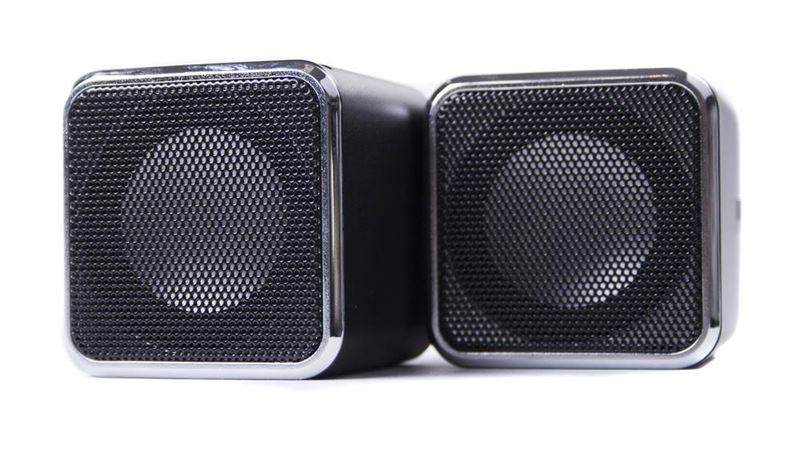
Achieving pristine sound quality from your audio system depends heavily on the strategic placement of your speakers. Proper positioning ensures balanced sound distribution, clear audio, and an immersive listening experience. This guide delves into detailed tips and best practices to help you position your speakers effectively, whether you are setting up home theater speakers or desktop audio setups. From understanding the importance of distances from walls to applying well-known placement rules, we provide comprehensive advice to optimize your listening environment.
One of the fundamental principles of speaker placement is avoiding proximity to walls. Placing speakers too close can cause sound reflections off nearby surfaces, resulting in exaggerated bass frequencies and muddled sound quality. To prevent this, maintain a minimum distance of 2 to 3 feet from walls and corners. This spacing reduces bass boominess and ensures cleaner sound. If you’re using floor-standing speakers, position them so that they are not directly on the floor. Instead, use dedicated speaker stands or furniture that absorbs vibrations, thereby preventing unwanted resonance and improving clarity.
Smaller satellite speakers, frequently used in surround sound setups or compact desktop systems, should ideally be mounted at ear or head height. You can achieve this by placing them on shelves or brackets attached to the walls, ensuring their drivers point directly toward the listening area. Many modern speaker stands incorporate damping materials that absorb vibrations, further enhancing sound quality. When positioning these speakers, it’s important to ensure unobstructed sound waves. Keep furniture, decorative objects, or other obstructions away from the line of sound to prevent reflection and distortion. Even small items like vases or stacked books can interfere with sound dispersion.
Applying the 'Golden Rectangle' rule helps in achieving an acoustically balanced setup. This guideline recommends that the distance of each speaker from the nearest wall should be approximately 1.6 times the distance from the speaker to the front wall of the room. For example, if your speakers are 2 feet from the front wall, they should be positioned roughly 3.2 feet away from the side walls. The goal is to create an isosceles triangle with the listening position, where the listener is slightly behind the ideal central point. Slightly angling the speakers inward, around 30 degrees toward the listener, enhances the stereo image and ensures sound is directed effectively towards the listening area.
In addition to the Golden Rectangle, the 1/3 to 1/5 rule offers another method of speaker placement. It suggests that the distance between the speaker and the front wall should be about one-third to one-fifth of the room’s total length. This spacing minimizes standing waves—resonant frequencies that can cause certain tones to overpower others—thereby reducing room-induced distortions. Slightly angling the speakers toward the listening position also helps in creating a more direct and localized sound source, further improving clarity.
The process of optimizing speaker placement requires patience and experimentation. Use tape measures and masking tape to mark potential positions within your room. Play your preferred audio at moderate volume levels and move the speakers incrementally, listening for the point where sound quality is clearest, clearest, and most balanced. Each room’s unique shape, size, furnishings, and materials influence acoustics, so don’t hesitate to adjust multiple times until the ideal setup is achieved. Remember, small positional tweaks can make considerable differences in sound quality.
Finally, consider treating your listening space with acoustic panels, bass traps, and diffusers to further enhance sound quality. Together with strategic placement, these room modifications can elevate your audio experience, allowing every note and nuance to be heard with clarity. Whether you’re setting up a home theater, a professional studio, or a desktop audio system, thoughtful placement combined with room treatment results in superior sound with minimal distortion. Regularly revisit your setup as your room furnishings change or as you upgrade your speakers, ensuring consistent performance over time.