
Ultimate Guide to Selecting the Perfect Materials for Your Kitchen Cabinets
This comprehensive guide provides detailed insights into selecting the best materials for kitchen cabinets. It covers popular choices like marine plywood, WPC, natural wood, and various door finishes, emphasizing factors like durability, style, maintenance, and environmental impact. Learn how to choose materials that align with your budget and kitchen design, ensuring a long-lasting and attractive space. A perfect resource for homeowners planning a renovation or new kitchen installation, aimed at helping you create a functional and stylish culinary environment.
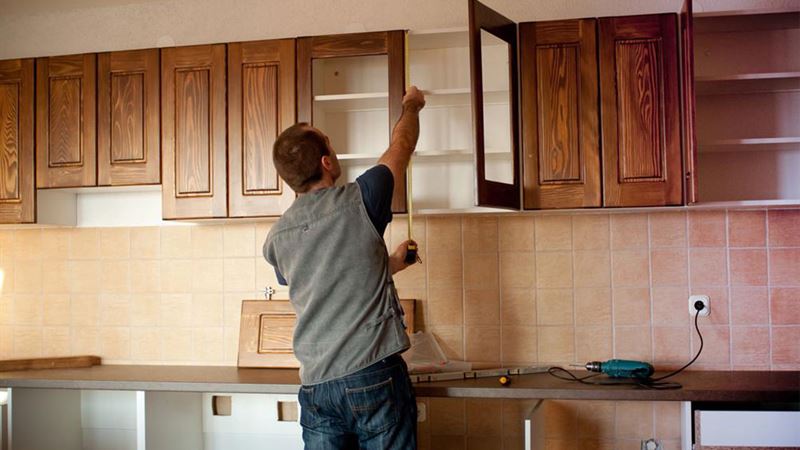
Choosing the right materials for your kitchen cabinets is a crucial decision that influences the overall aesthetics, durability, and functionality of your kitchen. With a wide array of options available, understanding each material’s properties helps you make an informed choice tailored to your specific needs and budget. This comprehensive guide explores popular and innovative materials used in kitchen cabinet manufacturing, detailing their advantages, disadvantages, and ideal applications to assist you in creating your dream kitchen.
### The Significance of Material Selection in Kitchen Cabinet Design
Kitchen cabinets are not only essential for storage but also define the visual appeal of your culinary space. The choice of materials affects the cabinet’s longevity, maintenance requirements, and visual harmony with the rest of your kitchen décor. Whether renovating or building anew, selecting suitable materials ensures your investment endures and remains attractive over time.
### Popular Materials for Kitchen Cabinets
In recent years, several materials have gained popularity among homeowners and designers due to their durability, aesthetics, and cost-effectiveness. Let’s delve into the most preferred options:
- Marine Plywood
Marine plywood is increasingly favored for kitchen cabinetry due to its superior resistance to moisture, fungal attacks, and delamination. Made from durable wood veneers bonded with waterproof adhesive, it offers excellent strength and stability, making it suitable for humid environments.
Marine plywood is also versatile, allowing for various finishes and styles. Its high resistance to moisture prevents warping and swelling, ensuring your cabinets remain in prime condition even in a bustling kitchen setting. Although slightly more expensive than standard plywood, its long-term benefits make it a worthwhile investment.
- Wood-Plastic Composite (WPC)
As a relatively recent addition, wood-plastic composites combine reclaimed wood fibers with thermoplastics, creating an eco-friendly and weather-resistant material. WPC is waterproof, highly durable, and requires minimal maintenance. Its resistance to decay, pests, and moisture makes it ideal for kitchens, especially in areas prone to splashes and humidity.
WPC cabinets are available in numerous finishes and textures, mimicking natural wood while offering enhanced durability. This material’s ease of cleaning and resistance to damage make it a popular choice for modern kitchens aiming for a contemporary look.
- Solid Wood
Nothing beats the classic appeal of solid wood for kitchen cabinets if your budget permits. Natural hardwoods such as oak, maple, cherry, or walnut are renowned for their strength, elegance, and timeless beauty. Investing in solid wood ensures longevity and the capacity to handle daily wear and tear effectively.
Solid wood cabinets can be customized with various stains and finishes to match your décor. However, they require proper treatment and maintenance to prevent cracking, warping, or termite damage, especially in humid areas.
Rubberwood is an affordable alternative within solid woods, offering a good balance between cost and durability. It is resistant to moisture and can be a practical choice for budget-conscious homeowners.
- Cabinet Door and Shutter Materials
While the cabinet body contributes significantly to strength, the door or shutter material plays a crucial role in visual appeal and functionality. Different materials can be combined for a unique style that balances aesthetics, cost, and durability:
- Laminates
Laminate overlays are pressed onto plywood or particleboard surfaces, providing a broad spectrum of colors and textures. Available in high-gloss or matte finishes, laminates are resistant to scratches, stains, and moisture. They are easy to clean and maintain, making them suitable for high-traffic kitchen areas.
- Veneers
If you love natural wood grain textures but wish to keep costs low, veneers are an excellent choice. Thin layers of real wood are glued onto plywood or MDF substrates, offering a luxurious appearance. To enhance durability, especially in humid conditions, applying a waterproof coating or polish is recommended.
- Painted Polyurethane
For a splash of vibrant color or a sleek modern look, painted polyurethane finishes are ideal. These doors are coated with auto-coat paints and then sealed with a clear polyurethane layer to ensure water resistance. Versatile in design, they can be customized to complement any interior theme.
- PVC Membrane Lamination
This cost-effective solution features a PVC film applied to substrates like MDF or plywood. Available in numerous finishes, including wood grains and solid colors, PVC lamination is resistant to moisture, scratches, and chemical spills, making it durable for busy kitchens.
### Factors to Consider When Choosing Kitchen Cabinet Materials
When selecting materials, several factors should guide your decision:
- Budget
Your financial plan will influence your choice of materials. While solid wood offers unmatched aesthetic appeal and durability, it comes at a higher cost. Alternatives like laminates and PVC provide budget-friendly options without compromising too much on quality.
- Durability
Kitchen environments are dynamic, with exposure to moisture, heat, and daily wear. Materials like marine plywood, WPC, and PVC lamination excel in resisting damage and ensuring longevity.
- Design and Style
Choose materials that align with your kitchen’s overall decor theme. Modern trends favor sleek, smooth surfaces like laminates and painted finishes, while traditional styles may suit solid wood or veneers.
- Maintenance
Consider how much effort you are willing to invest in cleaning and upkeep. Laminates and PVC are low-maintenance options, whereas solid wood might require more routine care and periodic refinishing.
- Environmental Impact
Eco-friendly choices, such as WPC and veneers made from sustainable sources, are increasingly popular. These materials reduce environmental footprint while maintaining high standards of performance.
### Conclusion: Making an Informed Choice for Your Kitchen Cabinets
Choosing the right material for your kitchen cabinets is integral to achieving a functional, attractive, and durable kitchen space. By understanding different options like marine plywood, WPC, solid wood, and various door materials, you can tailor your selection to fit your aesthetic preferences, lifestyle needs, and budget. Remember to balance appearance with practical considerations, ensuring your investment brings both beauty and longevity to your home.
Investing time and effort into selecting appropriate materials will result in a kitchen that remains stunning and reliable for years to come. Whether you favor the classic charm of wood, the modern appeal of laminates, or eco-friendly options, your ideal kitchen is within reach with informed choices.