
Comprehensive Guide to Designing Perfect Kitchen Cabinets for Your Home
Learn everything about designing custom kitchen cabinets—from planning and material choices to budgeting and style tips. This comprehensive guide helps you create durable, beautiful, and functional kitchen storage solutions tailored to your needs, ensuring your kitchen remains stylish and organized for years to come.
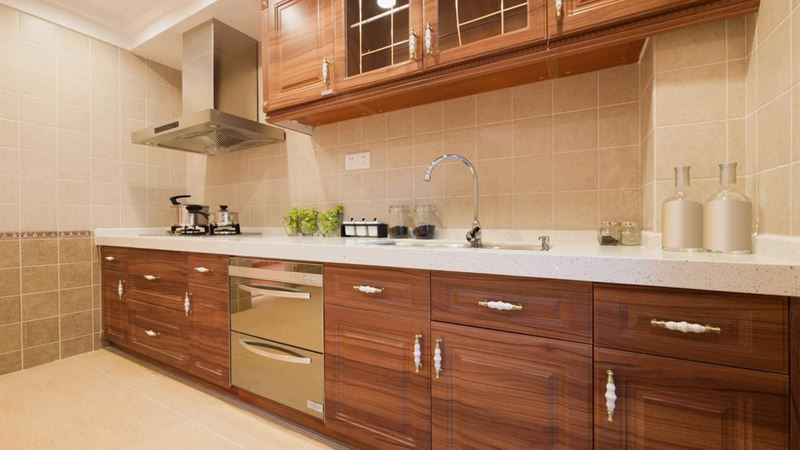
Creating the ideal storage solution is essential in any functional kitchen, and well-designed kitchen cabinets play a pivotal role in achieving that. Designing your kitchen cabinets involves careful planning, an understanding of your specific storage needs, budgeting wisely, and choosing the right materials. Since cabinets are typically permanent additions once installed, it's crucial to make informed decisions from the outset. Proper planning prevents costly mistakes and ensures your kitchen remains organized and visually appealing.
Start by thoughtfully deciding on the exact placement of your cabinets within the kitchen space. Consider the layout, accessibility, and flow of movement to determine the most practical position. Once installed, relocation is usually difficult and expensive, so precision at this stage is vital. Next, consider the materials you'll use for your cabinets. Durability, waterproof qualities, heat resistance, and aesthetic appeal should all factor into your material selection. Popular options include solid wood, plywood, MDF, and laminates, each with its advantages and cost considerations.
Take an inventory of all your kitchen utensils, cookware, and groceries to estimate the storage capacity you'll require. This information will guide you in choosing appropriate cabinet dimensions and configurations, ensuring that you have enough space to keep everything organized and accessible. Remember, a well-designed cabinet not only increases functionality but also enhances the overall look of your kitchen.
Although inspiration can come from magazines, TV shows, or online platforms, customization is key. Every kitchen space is unique, and what works in one environment might not be suitable for yours. Adapt your design to fit your kitchen's dimensions, style, and your personal preferences. Decide on the finish that will best complement your overall kitchen decor. Options range from sleek polished surfaces to natural wood veneers, laminates, or paint finishes. The finish impacts both appearance and durability, so choose wisely.
Budget Planning and Material Selection
Establishing a realistic budget before starting construction is essential. Engage with your contractor or woodworking specialist to explore options within your financial constraints. Keep in mind that premium materials and intricate designs can significantly increase costs, so aim for a balance between quality and affordability. Don't be discouraged if your initial ideas exceed your budget; there are numerous creative solutions that can achieve a stylish look without overspending.
Environmental sustainability is an increasingly important concern in modern kitchen design. Opt for eco-friendly, certified green materials that reduce environmental impact and are safe for your family. These include sustainably sourced wood, low-VOC paints, and recyclable laminates. Choosing green materials not only benefits the planet but can also lead to healthier indoor air quality and long-term savings due to durability.
Avoid overly light-colored cabinet materials unless you are prepared for extensive maintenance. Light surfaces tend to show dirt, stains, and wear more easily, requiring frequent cleaning. Instead, consider darker shades or textured finishes that conceal imperfections and reduce cleaning efforts.
The aesthetic appeal of your kitchen cabinets can significantly influence the entire kitchen's ambience. Invest time in selecting a design that aligns with your style—whether modern, traditional, minimalist, or rustic. Incorporate innovative features or classic elements that reflect your personality. Keep in mind that simplicity in design often translates to easier maintenance, especially if your cabinetry includes fewer corners, grooves, or intricate details.
Given that high-quality kitchen cabinets represent a substantial investment, choose a design that maintains its appeal over time. Repairs or replacements can be costly and disruptive, so prioritize durability and timeless style during the planning phase. Remember, a thoughtfully designed kitchen cabinet system not only maximizes space but also elevates the overall look and functionality of your kitchen environment, making it more enjoyable to cook, entertain, and relax in your home.