
Comprehensive Guide to Accessing Affordable Dental Care Services
Discover practical strategies to access affordable dental care, including low-income programs, online coupons, insurance options, and alternative methods like dental tourism and school clinics. This guide helps you maintain oral health cost-effectively and avoid postponing necessary treatments.
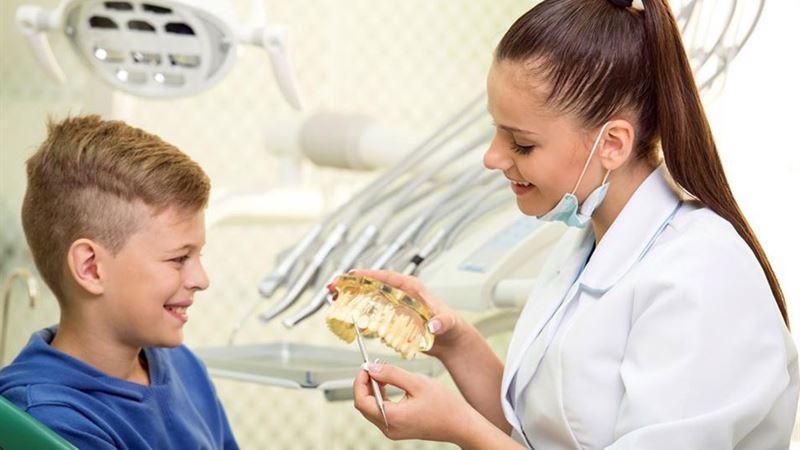
Ensuring oral health does not have to break the bank. Whether you lack insurance, are on a tight budget, or want to save on dental procedures, there are numerous strategies to access quality dental care at affordable prices. This comprehensive guide explores various avenues such as low-income dental programs, discount coupons, affordable dental insurance options, and unconventional methods that make dental treatments more accessible to everyone.
Maintaining good oral health is essential for overall well-being and confidence, yet many individuals delay or forego necessary dental care due to cost barriers. Thankfully, a range of programs and resources are available to help people obtain affordable dental services without compromising on quality. This article delves into practical solutions for reducing dental expenses, ensuring that more individuals can enjoy healthy teeth and gums.
**Low-Income Dental Assistance Programs:**
One of the most effective ways to access affordable dental care is through programs designed specifically for low-income individuals. Many dental clinics and health departments offer sliding scale fees, which means the cost of treatment is adjusted based on your income level. This system allows those with limited financial resources to receive necessary dental services without the financial strain.
Local health departments often have lists of clinics that provide free or discounted dental services for qualifying patients. To take advantage of these programs, you typically need to demonstrate income eligibility by providing documentation such as pay stubs, tax returns, or assistance program approval.
Furthermore, some nonprofit organizations and charitable foundations operate clinics dedicated to serving underprivileged communities. These clinics provide basic treatments such as cleanings, extractions, fillings, and sometimes more complex procedures, often at no cost or for a nominal fee.
**Searching for Free Medical and Dental Clinics:**
In cases where income-based programs are unavailable or waiting lists are long, low-income individuals can turn to free clinics. These clinics are often run by nonprofit groups, religious organizations, or government initiatives, and aim to provide essential health services to underserved populations. Eligibility generally depends on income level, residency, or employment status.
Before visiting, it's advisable to check the clinic's services, hours of operation, and required documentation. Many clinics require appointment scheduling, so contacting ahead ensures you can receive the needed care without inconvenience.
One of the most effective ways to access affordable dental care is through programs designed specifically for low-income individuals. Many dental clinics and health departments offer sliding scale fees, which means the cost of treatment is adjusted based on your income level. This system allows those with limited financial resources to receive necessary dental services without the financial strain.
Local health departments often have lists of clinics that provide free or discounted dental services for qualifying patients. To take advantage of these programs, you typically need to demonstrate income eligibility by providing documentation such as pay stubs, tax returns, or assistance program approval.
Furthermore, some nonprofit organizations and charitable foundations operate clinics dedicated to serving underprivileged communities. These clinics provide basic treatments such as cleanings, extractions, fillings, and sometimes more complex procedures, often at no cost or for a nominal fee.
**Searching for Free Medical and Dental Clinics:**
In cases where income-based programs are unavailable or waiting lists are long, low-income individuals can turn to free clinics. These clinics are often run by nonprofit groups, religious organizations, or government initiatives, and aim to provide essential health services to underserved populations. Eligibility generally depends on income level, residency, or employment status.
Before visiting, it's advisable to check the clinic's services, hours of operation, and required documentation. Many clinics require appointment scheduling, so contacting ahead ensures you can receive the needed care without inconvenience.
**Utilizing Online Coupons and Discount Deals:**
Another cost-saving approach is leveraging digital coupons and special deals on dental services. Numerous online platforms and deal websites regularly offer discounts on various dental treatments, including cleanings, fillings, crowns, and even teeth whitening. Using these coupons can significantly reduce out-of-pocket expenses, especially for those without insurance.
Some popular coupon sites include Groupon, LivingSocial, and specialized dental deal platforms. When searching for deals, ensure that the provider is reputable and licensed. Look for coupons that specify the exact services and any additional costs involved to avoid surprises.
Many dental offices also promote seasonal promotions or new patient specials that can be used as affordable options for necessary treatments. It's worth calling local clinics directly to inquire about available discounts and promotions that might not be advertised online.
Another cost-saving approach is leveraging digital coupons and special deals on dental services. Numerous online platforms and deal websites regularly offer discounts on various dental treatments, including cleanings, fillings, crowns, and even teeth whitening. Using these coupons can significantly reduce out-of-pocket expenses, especially for those without insurance.
Some popular coupon sites include Groupon, LivingSocial, and specialized dental deal platforms. When searching for deals, ensure that the provider is reputable and licensed. Look for coupons that specify the exact services and any additional costs involved to avoid surprises.
Many dental offices also promote seasonal promotions or new patient specials that can be used as affordable options for necessary treatments. It's worth calling local clinics directly to inquire about available discounts and promotions that might not be advertised online.
**Affordable Dental Insurance Options:**
While traditional dental insurance can be costly, there are various affordable alternatives that help lower the expenses associated with dental care. These insurance plans are designed to cover routine dental procedures such as cleanings, x-rays, and basic restorations, making preventive care more accessible.
Government-assisted programs, such as Medicaid and the Children's Health Insurance Program (CHIP), often include dental coverage for qualifying individuals and families. Eligibility depends on income and other factors but can be a valuable resource for those with limited financial means.
Private insurers like Cigna, Aflac, or Delta Dental offer affordable plans tailored to different budgets and coverage needs. When choosing a plan, compare premiums, deductibles, coverage limits, and provider networks to find the best fit for your circumstances.
Additionally, some discount dental plans act as memberships rather than insurance policies. These plans allow members to access services at reduced rates through a network of participating providers, often with a straightforward annual fee.
While traditional dental insurance can be costly, there are various affordable alternatives that help lower the expenses associated with dental care. These insurance plans are designed to cover routine dental procedures such as cleanings, x-rays, and basic restorations, making preventive care more accessible.
Government-assisted programs, such as Medicaid and the Children's Health Insurance Program (CHIP), often include dental coverage for qualifying individuals and families. Eligibility depends on income and other factors but can be a valuable resource for those with limited financial means.
Private insurers like Cigna, Aflac, or Delta Dental offer affordable plans tailored to different budgets and coverage needs. When choosing a plan, compare premiums, deductibles, coverage limits, and provider networks to find the best fit for your circumstances.
Additionally, some discount dental plans act as memberships rather than insurance policies. These plans allow members to access services at reduced rates through a network of participating providers, often with a straightforward annual fee.
**Exploring Alternative Options for Cost-Effective Dental Care:**
Beyond traditional avenues, there are innovative and unconventional methods to obtain affordable dental services. Dental tourism is one such option, where individuals travel to countries with lower healthcare costs to receive treatments that would be more expensive domestically. Countries like Mexico, Costa Rica, and certain countries in South America have become popular destinations for affordable dental work.
It’s crucial to carefully research the credentials of providers, ensure the clinics meet safety standards, and consider travel costs when opting for dental tourism. Such options can result in significant savings for complex procedures like implants, crowns, or full-mouth reconstructions.
Bartering services is another creative strategy – some patients exchange skills or goods with dental practitioners for treatments. For example, graphic designers, tutors, or tradespeople might offer their services in return for dental work. While less common, this approach can be effective within certain communities or networks.
Part-time jobs with dental benefits are also worth exploring. Some employers offer flexible work arrangements that include access to dental insurance or free/discounted services. Additionally, dental schools often provide treatment at lower costs, with students performing procedures under supervision. This is a cost-effective way to address dental needs while supporting dental education.
In summary, affordability in dental care is achievable through a combination of low-income programs, online deals, insurance strategies, and unconventional methods. By exploring these options, you can maintain good oral health without financial hardship.
Beyond traditional avenues, there are innovative and unconventional methods to obtain affordable dental services. Dental tourism is one such option, where individuals travel to countries with lower healthcare costs to receive treatments that would be more expensive domestically. Countries like Mexico, Costa Rica, and certain countries in South America have become popular destinations for affordable dental work.
It’s crucial to carefully research the credentials of providers, ensure the clinics meet safety standards, and consider travel costs when opting for dental tourism. Such options can result in significant savings for complex procedures like implants, crowns, or full-mouth reconstructions.
Bartering services is another creative strategy – some patients exchange skills or goods with dental practitioners for treatments. For example, graphic designers, tutors, or tradespeople might offer their services in return for dental work. While less common, this approach can be effective within certain communities or networks.
Part-time jobs with dental benefits are also worth exploring. Some employers offer flexible work arrangements that include access to dental insurance or free/discounted services. Additionally, dental schools often provide treatment at lower costs, with students performing procedures under supervision. This is a cost-effective way to address dental needs while supporting dental education.
In summary, affordability in dental care is achievable through a combination of low-income programs, online deals, insurance strategies, and unconventional methods. By exploring these options, you can maintain good oral health without financial hardship.