
Comprehensive Guide to Finding Affordable and Free Dental Care Options
Discover a comprehensive guide to accessing affordable and free dental care. Learn about community health centers, government assistance programs like Medicaid and Medicare, state oral health initiatives, dental schools, and nonprofit organizations offering essential dental services. This extensive article provides practical tips and resources for maintaining oral health without financial strain, ensuring everyone can access quality dental treatments. Whether you're uninsured, low-income, or seeking budget-friendly options, this guide will help you navigate the available healthcare resources effectively to achieve a healthy smile.
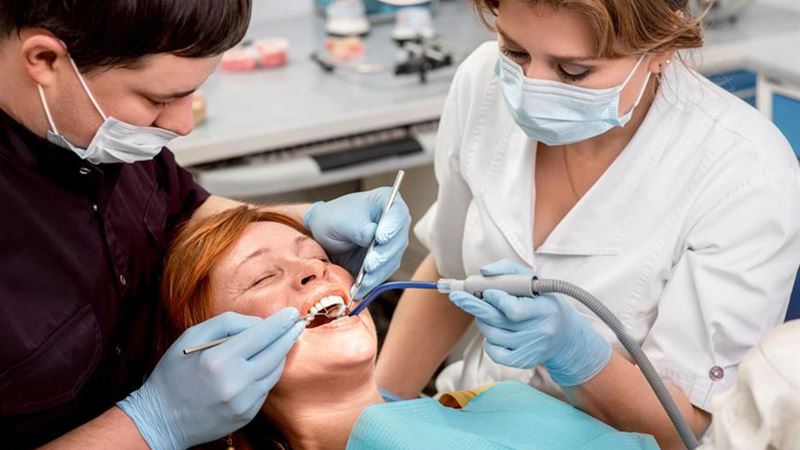
Strategies to Access Low-Cost or Free Dental Care
- 1. Utilize Community Health Centers
- 2. Explore Public Assistance Programs like Medicaid and Medicare
- 3. Investigate State-Run Oral Health Initiatives
- 4. Contact Dental Schools for Student-Run Clinics
- 5. Seek Out Nonprofit Dental Organizations and Charitable Clinics
Community Health Centers are a vital resource for affordable healthcare, including dental services. These centers are financed primarily through federal programs managed by the Health Resources and Services Administration (HRSA). Many of these centers provide dental care, especially for individuals experiencing dental emergencies or managing chronic oral health issues. While the quality of care is comparable to private clinics, appointments typically require scheduled visits, and wait times can vary. Often, patients may need to arrive early or join a waiting list, so flexibility is advised.
Medicare and Medicaid serve as essential safety nets for low-income populations. Medicare is primarily designed for seniors and certain disabled individuals, but it offers limited coverage for dental treatments, especially those related to severe health issues like jaw reconstruction following injury or surgery. Routine dental care often isn't covered under Medicare, making it less suitable for preventive or regular dental treatments.
Medicaid, on the other hand, is more comprehensive concerning dental services for qualifying low-income individuals. Coverage details vary by state, so it's necessary to consult local Medicaid offices or providers to understand available benefits. Generally, Medicaid can cover procedures such as extractions, fillings, and emergency dental care. It's recommended to check with specific clinics or state offices to confirm what services are offered and any additional requirements.
State Oral Health Programs are initiatives designed to improve dental health outcomes, especially for underserved populations. Funded by state governments, these programs aim to provide accessible dental care and promote oral health awareness. They often partner with local clinics and non-profit organizations to deliver services at reduced costs or free of charge to eligible residents. To find out more, residents should visit their state’s official health department website or check resources like the Centers for Disease Control and Prevention (CDC) website for comprehensive information on available programs and eligibility criteria.
Besides these options, students in dental schools often run clinics where services are offered at significantly reduced rates or free, under professional supervision. Nonprofit organizations and charitable groups also organize dental outreach programs, especially in underserved communities, aiming to provide essential dental care to those in need. Exploring options such as dental tourism or traveling to nearby regions that offer lower-cost dental control might also be worthwhile for some individuals.