
Comprehensive Guide to Designing and Building an Eco-Conscious Home
Discover the keys to designing and constructing an eco-friendly home with sustainable materials, energy-efficient systems, and landscape strategies. This guide explores practical tips, cost considerations, and the latest innovations to help you build a healthier, more sustainable living environment that benefits both the planet and your wallet.
Understanding the Principles of Eco-friendly Housing
Building an eco-friendly residence begins with understanding the core concepts of sustainability. This involves assessing the environmental impact throughout a building’s lifecycle—from the design phase through construction and eventual habitation. Central to this approach are green building certifications like LEED (Leadership in Energy and Environmental Design) and Passive House standards, which promote energy efficiency and resource conservation. These frameworks guide homeowners and builders in adopting environmentally responsible practices that result in lower utility bills, improved indoor air quality, and a lighter ecological footprint.
1. The Importance of Size and Space Optimization
One of the simplest ways to enhance sustainability is to focus on the size of your home relative to your actual needs. Smaller homes inherently require fewer resources—less energy to heat, cool, and maintain. But sustainability isn't solely about building tiny; it's about creating a space that meets your lifestyle without excess. Minimalist design principles encourage you to prioritize quality over quantity, reducing material waste and promoting a simpler, more efficient lifestyle. When contemplating Home size, consider your long-term needs and whether a slightly smaller footprint can achieve comfort and functionality without sacrificing quality of life.
2. Choosing Sustainable and Healthy Building Materials
Material selection is fundamental in green building practices. Opt for materials validated through sustainability certifications, such as FSC-certified timber, recycled steel, or reclaimed wood. These options reduce environmental impact, decrease extraction of virgin resources, and often cost less in the long run. Additionally, selecting low-VOC (volatile organic compounds) paints, adhesives, and insulation materials enhances indoor air quality, creating a healthier living environment. Local sourcing of materials further minimizes transportation emissions and supports regional economies. Prioritizing eco-friendly materials ensures your home is not only sustainable but also free from harmful pollutants that could affect your health.
3. Incorporating Passive Design Elements
Passive design refers to architectural strategies that utilize natural energy flows and environmental conditions to regulate indoor temperatures and lighting. This includes orienting the house to maximize sunlight during winter and minimize heat gain in summer, thereby reducing reliance on mechanical heating and cooling systems. Properly insulated walls, high-performance windows, and ventilated roof structures contribute significantly to energy savings. The layout can incorporate features like shaded outdoor spaces, strategic landscaping, and thermal mass materials that absorb and slowly release heat. These design choices optimize comfort while dramatically decreasing energy consumption.
4. Integrating Renewable Energy Technologies
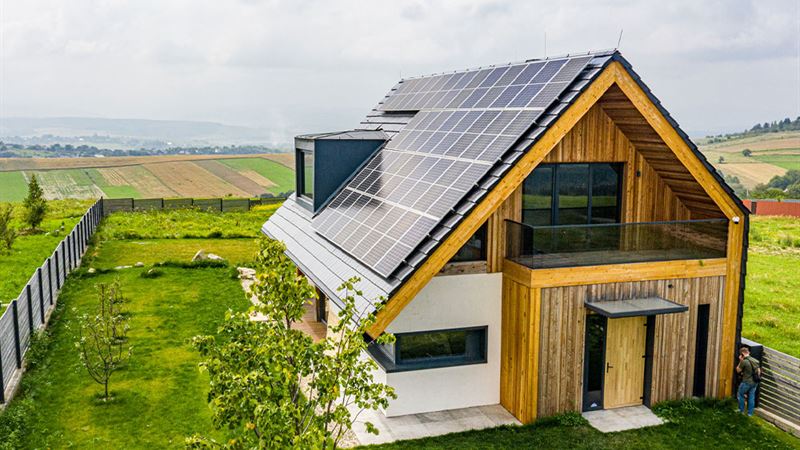
Harnessing renewable energy sources like solar and wind power is crucial to achieving energy independence and reducing greenhouse gas emissions. Photovoltaic (PV) solar panels can be installed on rooftops to generate electricity, with some systems designed to be aesthetically integrated into the building design. Solar water heaters and heat pumps efficiently provide hot water and space heating, cutting reliance on fossil fuels. In some cases, small wind turbines can supplement energy needs, especially in windy regions. Properly orienting and sizing these systems ensures optimal performance and long-term savings, contributing to a zero-energy or net-positive home over its lifetime.
5. Effective Water Management
Water conservation plays a significant role in eco-friendly construction. Installing rainwater harvesting systems to capture runoff from rooftops, and directing it into storage tanks, offers a sustainable water source for irrigation, flushing toilets, or even household use. Using drought-resistant native plants reduces landscaping water requirements, while permeable paving allows stormwater to seep into the ground naturally, decreasing runoff and aquifer depletion. Incorporating low-flow fixtures and graywater recycling further amplifies water efficiency, ensuring minimal wastage and dependence on municipal supplies.
6. Thoughtful Landscaping and Site Design
Landscape design should support ecological balance and energy efficiency. By planting native, drought-tolerant flora, homeowners can minimize watering needs and provide habitat for local wildlife. Strategic placement of trees offers natural shading, cooling the home in summer and acting as windbreaks during winter. Incorporating bioswales and rain gardens helps manage stormwater effectively. Designing the site to complement natural contours minimizes excavation and soil disruption, preserving existing ecosystems. Such landscape strategies not only improve sustainability but also enhance aesthetic appeal and community integration.
Economic Considerations and Budgeting for a Green Home
While the initial investment for an eco-friendly house may seem higher than conventional homes, the long-term savings in utilities, maintenance, and health benefits justify the expense. According to industry experts, construction costs typically account for roughly 60-65% of the total investment, ranging from $240,000 to $280,000 for an average-sized home. Key components such as structural framing, roofing, and insulation are substantial contributors to this cost.
Interior finishes, fixtures, and appliances consume around 25% of the total budget, with high-efficiency systems being slightly more expensive upfront but offering savings over time. Engaging with architects and contractors experienced in zero-energy or green building practices ensures accurate estimates and efficient design choices. Exploring financing options, grants, and incentives for sustainable building can further offset costs. Careful planning and consultation help strike a balance between green objectives and budget constraints, making eco-housing accessible to a broader demographic.
Challenges in Building Eco-friendly Homes and How to Overcome Them
Despite the clear advantages, constructing sustainable homes comes with challenges, including higher initial costs, availability of materials, and technical expertise. To mitigate these, prospective homeowners should conduct thorough research, work with experienced eco-architects, and leverage government incentives. Community-level initiatives can also foster shared resources and bulk purchasing of sustainable materials, reducing costs. Education about long-term benefits and maintenance is essential to ensure ongoing sustainability and homeowner satisfaction.
Future Trends and Innovations in Eco-Friendly Housing
Advancements in smart home technologies, green materials, and renewable energy systems continue to accelerate sustainable housing progress. Innovations such as transparent solar panels, kinetic energy flooring, and biophilic design principles are reshaping residential construction. Integration of automation for energy management enhances efficiency, while new eco-friendly composites and insulation materials improve durability and performance. As awareness and technology evolve, the vision of affordable, high-performance eco-homes becomes increasingly attainable, paving the way for a sustainable future in residential architecture.
Conclusion: Making the Sustainable Choice
Building an eco-conscious home is a proactive step toward environmental stewardship and personal well-being. By carefully selecting materials, employing passive and active energy solutions, optimizing water management, and thoughtfully designing landscapes, homeowners can significantly reduce their ecological impact. Although there are initial costs and technical considerations, the long-term benefits—financial savings, healthier living spaces, and a cleaner planet—are well worth the effort. Embracing sustainable building practices is not just a trend; it’s a responsible investment in our shared future. Start planning today and take the first step toward creating your eco-friendly sanctuary.