
Effective Strategies for Achieving a Radiant Smile
Discover comprehensive strategies to brighten your smile, including over-the-counter whitening products, professional treatments, and daily oral hygiene tips. Learn how to choose safe, effective options and maintain your teeth's natural beauty with expert advice and practical recommendations for long-lasting, radiant results.
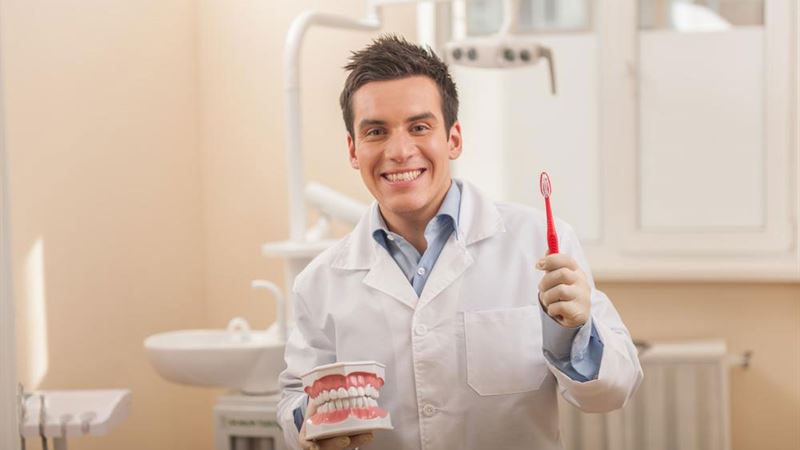
Having a bright, attractive smile is a universal desire that boosts confidence and enhances personal appearance. Fortunately, there are numerous approaches to improve and maintain the whiteness of your teeth. From over-the-counter whitening products to professional treatments, understanding how these options work and their benefits can help you make informed decisions. Proper oral hygiene, diet adjustments, and the choice of effective whitening agents contribute significantly to maintaining a luminous smile. This comprehensive guide explores various whitening methods, their effectiveness, precautions, and tips for achieving optimal results.
Understanding Tooth Discoloration and Stains
Before diving into whitening solutions, it's essential to comprehend the causes of tooth discoloration. Teeth can become stained due to factors like aging, consumption of staining foods and beverages (such as coffee, tea, wine), tobacco use, certain medications, and inadequate oral hygiene. These stains can be categorized into surface stains, which affect the enamel, and deeper stains, which penetrate the dentin layer beneath the enamel. Recognizing the type of staining helps determine the most suitable whitening approach and manage expectations regarding the results.
Over-the-Counter Whitening Products and Their Components
Many consumers opt for readily available tooth whitening products like whitening toothpastes, strips, gels, and rinses. These products often contain active ingredients designed to remove or diminish stains and brighten teeth. Key components include peroxide compounds (such as carbamide peroxide and hydrogen peroxide), abrasive agents, and special chemicals formulated to enhance whitening effects. Each product varies in concentration and formulation, influencing its potency and speed of results.
Whitening Toothpastes: How They Work
Whitening toothpastes are an accessible option for daily oral care. They typically contain mild abrasives and chemical agents capable of breaking down stains on the tooth surface. Some contain polishing agents that gently remove surface stains, while others utilize chemicals like peroxide to aid in de-staining. For best results, consistent use—twice daily over a period of 2 to 6 weeks—is recommended. Products with blue covarine provide an immediate visual influence, making teeth appear brighter instantly.
Choosing the Right Whitening Toothpaste
When selecting a whitening toothpaste, consider products approved by dental authorities such as the American Dental Association (ADA). These products meet safety and effectiveness standards. Ingredients to look for include baking soda and peroxide, which are known for their cleaning and whitening properties. However, overuse can cause adverse effects; hence, it’s crucial to follow instructions carefully and avoid excessive application.
Professional Whitening Treatments
For more significant whitening results, professional treatments provided by dentists are highly effective. These procedures utilize higher concentrations of bleaching agents, often combined with advanced technology like laser or light activation. Professional whitening can dramatically reduce stains caused by deep discoloration and provide quick, visible results. While more expensive, these treatments often deliver superior outcomes compared to over-the-counter solutions, especially for stubborn or extensive discoloration.
Precautions and Potential Risks
When opting for whitening products or treatments, safety precautions are paramount. Overuse of bleaching agents can lead to tooth sensitivity, gum irritation, and enamel wear. It’s important to choose products approved by dental professionals and follow usage instructions meticulously. Prolonged or improper use may diminish the teeth’s natural luster and cause unintended dental issues. Consulting a dentist before starting any whitening regimen is advisable, especially for individuals with dental restorations or sensitive teeth.
Limitations of Over-the-Counter Whitening Products
While whitening toothpastes and strips can improve the appearance of discolored teeth, they primarily work on surface stains and may not be effective for deep or intrinsic stains. Many studies suggest that these products only offer cosmetic enhancement rather than significantly altering the natural color of teeth. They are not designed to repair underlying structural issues or deeply embedded stains, making them unsuitable for severe discoloration or intrinsic staining cases.
How to Maintain a White, Healthy Smile
Achieving a radiant smile involves more than just whitening products. Good oral hygiene practices like brushing twice daily, flossing, and regular dental checkups are vital. Limiting consumption of staining foods and beverages, quitting smoking, and staying hydrated can prevent new stains from forming. Additionally, routine dental cleanings help remove plaque and surface stains, keeping teeth looking their best. Combining professional guidance with daily care ensures your smile remains bright and healthy for years to come.
In conclusion, creating and maintaining a luminous smile is achievable through a combination of proper oral care, judicious product use, and professional treatments when necessary. Awareness of the limitations and potential risks associated with whitening products empowers consumers to choose the safest and most effective options. Remember, consulting with your dental care provider can help identify the best strategy tailored to your specific needs and ensure your smile remains stunning and healthy.