
Safe and Nutritious Human Foods Suitable for Cats
Discover a comprehensive guide to human foods that are safe and nutritious for cats. Learn which fruits, vegetables, meats, grains, and treats you can safely include in your pet's diet, along with tips on proper preparation and serving. Ensure your feline friend enjoys healthy, delicious snacks while avoiding harmful foods. This detailed article provides essential information for responsible feeding practices, promoting your cat's health and happiness through safe human food options.
Feeding cats human foods can be a delightful way to supplement their diet, provided you choose options that are safe and healthy. While some human foods are perfectly safe for cats and can offer nutritional benefits, others can pose health risks. It's essential to know which foods are suitable and how to prepare them properly to avoid any adverse effects on your feline companions. In this comprehensive guide, we will explore various human foods safe for cats, how to serve them correctly, and what to avoid to ensure your pet's health and happiness.
**Introduction: Understanding Cats' Dietary Needs**
Cats are obligate carnivores, meaning their diet primarily consists of meat. However, they can also enjoy certain fruits, vegetables, grains, and other healthy treats in moderation. Knowing what human foods are safe for cats can help enrich their diet and provide variety, which is beneficial for mental stimulation and nutritional balance. Yet, it's crucial to remember that not all human foods are suitable for cats—some can be toxic or cause digestive upset. Proper preparation and moderation are key to incorporating these foods into your pet’s diet responsibly.
**The Best Human Foods for Cats**
- Cooked Eggs
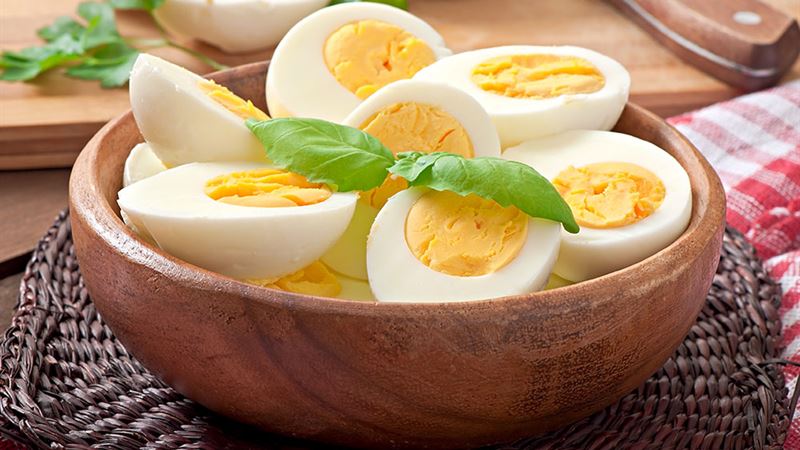
Eggs are a fantastic source of high-quality protein and essential amino acids. While raw eggs carry the risk of salmonella, lightly cooked eggs such as boiled or scrambled eggs without added seasoning are safe for cats in small quantities. Avoid feeding raw eggs regularly, and always ensure they are cooked thoroughly to eliminate bacteria. Also, keep in mind that eggs should be a treat rather than a staple to prevent nutritional imbalance.
- Fruits and Vegetables
Many fruits and vegetables that humans enjoy are safe and nutritious for cats. Cooked spinach, for example, is rich in iron, calcium, and essential vitamins like A, C, and E, making it a healthy addition to their diet. Pumpkins are another excellent choice—low in calories and packed with dietary fiber, they aid digestion and promote satiety. Other safe fruits include banana slices, apples (without seeds), blueberries, strawberries, pears, watermelon, and cantaloupe. When offering fruits, be sure to remove seeds, pits, and rinds that could be harmful or difficult to digest. Serve in small, manageable portions to prevent gastrointestinal upset.
- Lean White Meats
Chicken and turkey are highly digestible meats that provide rich protein essential for a cat's health. These meats are often found in commercial cat foods, confirming their safety and nutritional benefits. For home feeding, serve only cooked chicken or turkey, thoroughly cleaned and free of seasoning, bones, or skin. Small portions are advisable to introduce new flavors gradually, allowing your cat to adjust. Occasionally, small pieces of bacon or ham can be given as treat, but they should be offered sparingly due to higher fat and salt content.
- Fatty Fish
Cats have a natural affinity for fish, and salmon stands out as one of the most nutritious options. Loaded with high-quality protein and omega-3 fatty acids, salmon supports immunity, skin health, and cognitive function. Always serve cooked salmon—baked, broiled, or grilled—without added seasoning, garlic, or onions, which are toxic to cats. Never feed raw salmon to kittens, as it poses a risk of parasites and bacterial infection. Small portions of cooked salmon can be a healthy treat, promoting overall well-being.
- Whole Grains
As obligate carnivores, cats do not require grains in large quantities. However, small servings of cooked grains can be beneficial, especially for fiber intake. When introducing grains, do so gradually and in moderation to prevent digestive issues. Examples include small pieces of wheat bread, cooked oatmeal (without excess milk or sugar), millet, and brown rice. Brown rice, in particular, offers more fiber than white rice, aiding digestion and promoting a healthy gastrointestinal tract. Incorporate grains thoughtfully and observe your cat’s response to new foods.
**Foods to Avoid at All Costs**
While many human foods are safe, others pose serious health risks. Never feed your cat onion, garlic, chocolate, caffeinated drinks, alcohol, grapes, raisins, or nuts, as these can be toxic. Also, avoid sugary, salty, or spicy foods that may cause gastrointestinal upset or long-term health problems. Always consult your veterinarian before adding new foods to your cat’s diet, especially if your pet has underlying health issues or special dietary needs.
**Tips for Serving Human Foods to Cats**
- Introduce new foods gradually to monitor your cat’s reaction.
- Serve in small portions to avoid overfeeding.
- Ensure all foods are cooked properly to eliminate bacteria and parasites.
- Remove all seasoning, salt, sugar, and harmful additives.
- Use plain, fresh, and high-quality ingredients for best results.
**Conclusion: A Balanced Approach to Human Foods for Cats**
Feeding your feline companion human foods can be a rewarding experience when done carefully and responsibly. Focus on offering safe, nutritious options like cooked eggs, select fruits, healthy meats, fish, and small quantities of grains. Remember always to prioritize your pet’s health and avoid any foods that are toxic to cats. Regular veterinary guidance, combined with mindful feeding practices, can help maintain your cat’s health, happiness, and longevity. With proper knowledge and moderation, sharing some of your favorite foods can strengthen the bond between you and your beloved pet while providing them with a varied and balanced diet.