
Safe and Healthy Human Foods Suitable for Cats
Discover a comprehensive guide on safe and nutritious human foods for cats, including grains, eggs, vegetables, and fruits. Learn how to prepare and serve these foods properly to promote your feline's health. Incorporate high-quality treats from top brands to ensure a balanced diet. This detailed article provides essential tips for safely diversifying your cat’s diet and enhancing their well-being with wholesome, human-approved foods.
Feeding your feline companion the right foods is essential for their health and happiness. While commercial cat foods are formulated to meet their nutritional needs, offering occasional treats from human foods can be beneficial. However, it’s crucial to choose safe foods and prepare them appropriately to avoid health risks. This comprehensive guide explores various human foods that are safe and nutritious for cats, including grains, eggs, vegetables, and fruits. It also provides tips on how to serve these foods properly and discusses the importance of choosing high-quality pet treats from trusted brands.
Knowing which human foods are safe for cats can help you diversify their diet, promote healthy growth, and strengthen your bond with your furry friend. Many pet owners wonder if sharing their meals with their cats is safe, and the answer is yes—when done correctly. Not all human foods are suitable or safe for cats, so it's vital to understand which options you can incorporate into their diet and how to prepare them. From grains that provide essential nutrients to cooked eggs packed with protein, there are numerous healthy human foods that can be safe and delicious for cats.
Incorporating Whole Grains into Your Cat’s Diet
Whole grains are an excellent source of fiber, essential minerals, and vitamins, making them a great addition to your cat’s diet if they tolerate them. Although cats are obligate carnivores, some can benefit from small amounts of grains, especially if they are picky eaters or have sensitivities to certain proteins. Foods such as oats, brown rice, millet, couscous, and wheat berries are nutrient-dense options that can add variety to your pet’s meals.
To serve whole grains safely, cook them thoroughly until they are soft, and avoid adding any salt, spices, or preservatives. Small, cooked grains can be mixed with your cat’s regular food or offered as a standalone treat. Keep in mind that not all cats are fond of grains, so observe their preferences and dietary reactions. When introducing grains, start with a small portion and monitor for any digestive disturbances such as diarrhea or vomiting. If your cat shows signs of allergies or discomfort, discontinue grains and consult your veterinarian for alternative dietary options.
Eggs as a Source of Protein and Nutrients
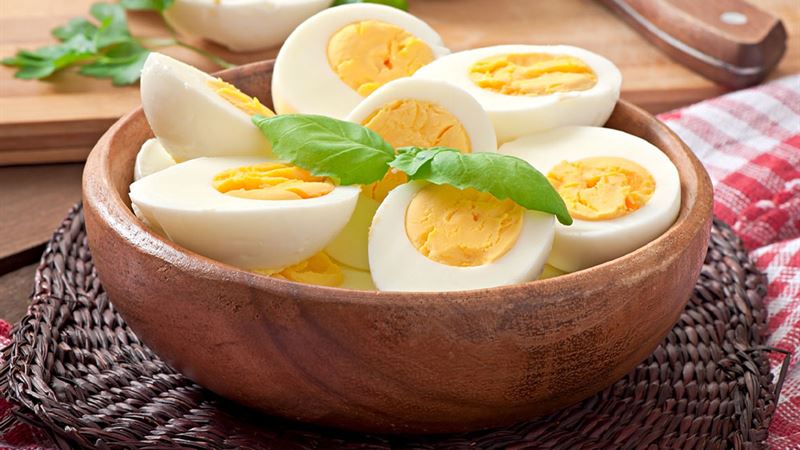
Cooked eggs are an excellent source of high-quality protein, vitamins like B12, B6, and essential amino acids. They can serve as a nutritious supplement to your cat’s diet, especially when you’re looking for natural protein sources. Boiled eggs are simple to prepare, quick to serve, and provide many health benefits.
When offering eggs to your cat, ensure they are fully cooked to eliminate the risk of bacterial contamination, including salmonella and E. coli. Avoid seasoning or adding butter, oil, or salt, as these can be harmful to cats. Start with small portions, such as a teaspoon of chopped egg or mashed egg, and observe how your cat reacts. While many cats enjoy eggs, a few may be allergic or sensitive, so monitor for signs of gastrointestinal upset or skin reactions. If your cat responds well, eggs can be a healthy occasional treat or supplement to their regular diet.
Fresh Vegetables and Fruits for Cats
Although cats are obligate carnivores and primarily thrive on meat-based diets, some enjoy and benefit from certain vegetables and fruits. These foods can provide additional vitamins, minerals, hydration, and fiber. Popular safe options include cucumber, cantaloupe, steamed broccoli, asparagus, baked carrots, and green beans.
When offering vegetables or fruits, always wash them thoroughly to remove pesticides and freeze or cook them to ensure they are easily digestible. Remove any seeds or pits that could pose a choking hazard or contain toxins. Serve these treats in small, manageable sizes and observe your cat’s response to new foods. Not all cats are interested in or tolerate fruits and vegetables, so introduce them gradually and in moderation. Remember that fresh produce should complement a balanced diet and not replace essential protein sources.
In addition to homemade foods, many pet owners find convenient options in high-quality commercial treats. Leading brands like Royal Canin, Blue Buffalo, Wellness, Purina, and Merrick offer a variety of healthy treats that are formulated specifically for cats. Purchase from reputable online stores such as Chewy, PetSmart, and Petco for reliable quality and good deals. Selecting the right treats can help reinforce good behavior and keep your feline happy and healthy.
In summary, providing safe, nutritious human foods to your cat can enrich their diet and contribute to their overall wellness when done responsibly. Always introduce new foods gradually, watch for adverse reactions, and consult your veterinarian for personalized dietary advice. Combining homemade treats with high-quality commercial products ensures that your pet receives a balanced, enjoyable diet that supports their health and happiness.