
Safe and Nutritious Human Foods Suitable for Dogs
Explore a comprehensive guide to human foods that are safe and nutritious for dogs. Learn how to incorporate healthy fruits, vegetables, proteins, and dairy into your pet’s diet, ensuring safety through proper preparation. This detailed article covers everything from cooked fish to yogurt, providing pet owners with essential tips to enhance their dog’s health naturally—supporting immunity, digestion, and overall vitality with foods approved for canine consumption.
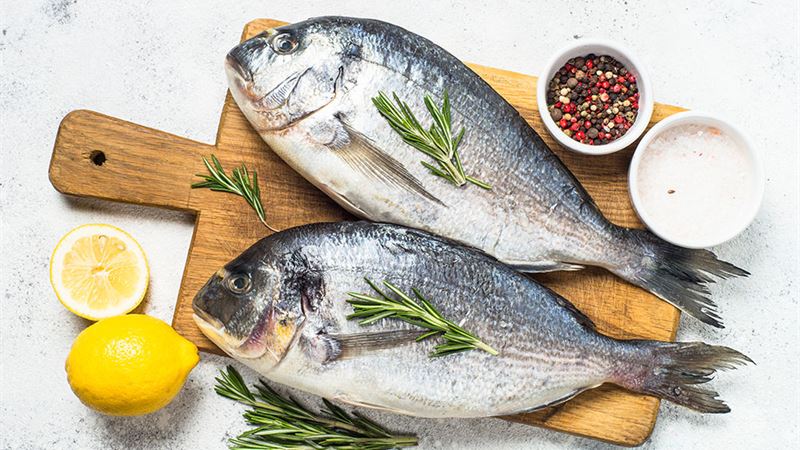
Cooked Fish
Fish is a fantastic source of omega-3 fatty acids, which promote a healthy coat, reduce inflammation, and support overall well-being in dogs. However, it is vital to serve only well-cooked fish, as raw or undercooked fish may harbor parasites or harmful bacteria that can pose health risks. Avoid seasoning, breading, or adding sauces, as these can contain ingredients toxic to dogs. A simple, baked or steamed fish slice served in moderation can be a nutritious treat for your furry friend, contributing essential nutrients like protein, vitamin D, and omega-3s.
Crunchy Carrots
Carrots are a crunchy, low-calorie vegetable packed with vitamin A, which is vital for maintaining good vision, skin health, and a strong immune system in dogs. Their natural sweetness and firm texture make them a favorite snack for many pups. Chewing on raw carrots also helps in reducing plaque and tartar buildup on teeth, promoting better oral hygiene. Always cut carrots into manageable pieces to prevent choking, especially for small breeds. Incorporating carrots into your dog's diet can support healthy eyesight and oral health effectively.
Natural Peanut Butter
Peanut butter isn't just a human favorite—dogs adore it too. It’s a rich source of protein, healthy fats, vitamins B and E, and niacin, supporting their energy levels and coat health. When offering peanut butter, choose only unsalted, sugar-free varieties without xylitol, a sweetener that is highly toxic to dogs. Use it as a filling for puzzle toys or as a flavor enhancer for training treats. Be cautious about portion size, especially since peanut butter is calorie-dense, to prevent weight gain.
Lean Chicken
Chicken is a household staple in many dog diets due to its high-quality protein content. To serve it safely, ensure the chicken is cooked thoroughly, boneless, skinless, and free from spices or marinades. Avoid giving dogs fried or seasoned chicken, as these can contain ingredients that might upset their stomach or cause other health issues. Cooked chicken can be shredded and mixed into their regular meals or offered as a special treat to provide essential amino acids for muscle development and overall health.
Blueberries
Blueberries are small, flavorful berries rich in antioxidants, vitamins, and minerals. Their high fiber content supports digestive health, and antioxidants help combat free radicals, reducing cell damage and supporting aging. Since blueberries are low in calories, they are a safe and healthy treat that can be given in moderation—feeding several at a time is fine. Their natural sweetness and nutritional profile make blueberries an excellent addition to a balanced diet for dogs, contributing to their immune system and overall vitality.
Eggs
Eggs are a nutritious protein source containing essential amino acids, vitamins, and minerals that benefit dogs’ health. Feeding cooked eggs is recommended to eliminate bacteria such as salmonella that may be present. Plain, cooked eggs can be served scrambled or boiled, cut into small pieces for easy consumption. Eggs can support healthy skin, coat, and muscle development and are a wholesome supplement to your dog’s diet. Always ensure eggs are cooked thoroughly and served plain without seasoning or added fats.
Oatmeal
Oatmeal is a gentle, fiber-rich grain that can aid digestion and support bowel health. It’s an excellent gluten-free alternative to wheat, making it suitable for dogs with wheat sensitivities. Plain oatmeal prepared without added sugars, salt, or artificial flavors is the best choice. Oatmeal can be served as a tasty addition to your dog’s meal or as a comforting treat during colder months. Its high fiber content helps with constipation and other gastrointestinal issues, making it a versatile, healthy carbohydrate source.
Plain Yogurt
Yogurt is a wholesome treat that provides calcium, proteins, and live probiotic bacteria beneficial for your dog’s digestion. When selecting yogurt, opt for plain, unsweetened varieties that contain active probiotics and are free from added sugars or artificial sweeteners. Probiotic yogurt supports a healthy gut flora, alleviates gastrointestinal discomfort, and boosts immune health. Small portions of plain yogurt can be incorporated into your dog’s diet as a snack or mixed with their food for added flavor and nutritional benefits. Avoid flavored and sugary yogurts, as they can have adverse effects.