
Hazardous Foods That Could Harm Your Dog's Health
Learn about common human foods that pose risks to dogs, including chocolate, grapes, onions, raw eggs, and bones. Discover how these items can cause severe health issues like poisoning, organ failure, and internal injuries. Ensure your pet's safety by understanding which foods to avoid and consulting your veterinarian for healthier diet options. Protect your furry friend from accidental ingestion of dangerous foods with helpful tips and safety precautions, promoting a longer, healthier life for your canine companion.
1. Chocolate, Coffee, and Caffeinated Products
Chocolate and caffeine contain compounds that are toxic to dogs. The primary harmful chemical present in cacao beans is theobromine, which dogs metabolize slowly, making it especially dangerous. Ingesting chocolate can lead to symptoms such as vomiting, diarrhea, rapid breathing, increased heart rate, seizures, and, in severe cases, coma or death. The risk increases with darker chocolates, such as dark or baking chocolate, because they contain higher levels of theobromine. Even small amounts can be hazardous, particularly for smaller breeds. Caffeinated products like coffee, tea, and energy drinks also contain caffeine, which can elevate a dog’s heart rate, cause restlessness, tremors, dehydration, and seizures. It is crucial to keep all chocolate and caffeinated items well away from pets to prevent accidental ingestion. Understandably, many dog owners might not realize that these common items are dangerous, so caution is advised.
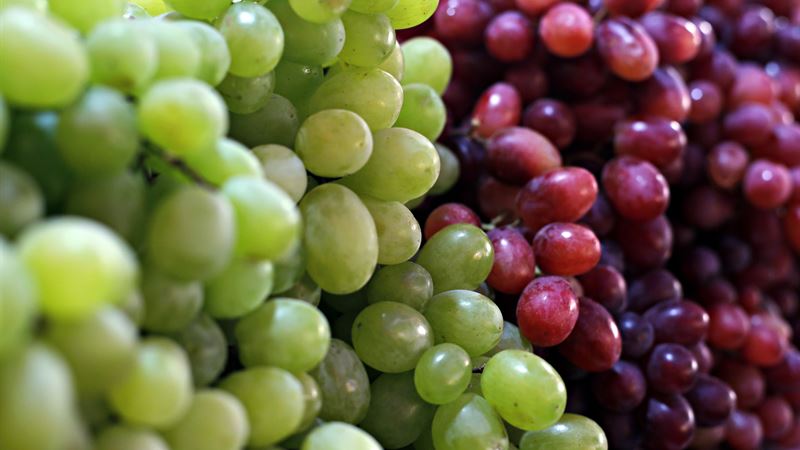
2. Grapes and Raisins
Grapes and raisins are among the most well-known toxic foods for dogs. These fruits contain a toxin that can cause acute kidney failure, which can become life-threatening if not treated promptly. Even small quantities can be damaging, making it vital to keep these fruits out of reach of pets. Although research is ongoing to identify the exact toxic agent, the consistent reports of adverse reactions make it clear that grapes and raisins should never be fed to dogs or cats. Symptoms of poisoning include lethargy, vomiting, loss of appetite, abdominal pain, and decreased urine production, progressing rapidly to kidney failure if untreated. Immediate veterinary care is essential if ingestion occurs. Prevention is paramount, so store grapes and raisins securely and educate family members about their dangers.
3. Allium Family: Onion, Garlic, Shallots, Leeks, and Chives
Foods from the allium family are highly toxic to dogs because of their sulfur compounds. These substances can damage red blood cells, leading to a condition called hemolytic anemia, which impairs oxygen transport throughout the body. All parts of the onion and garlic plant—raw or cooked, dried or fresh—pose risks. Even small doses can cause symptoms such as weakness, lethargy, pale gums, rapid breathing, and an elevated heart rate. In severe cases, ingestion can result in collapse or death. It’s especially important to watch out for foods seasoned with onion or garlic powders, which are common in processed foods. Pet owners should avoid giving their dogs any garlic or onion-containing foods and keep all allium vegetables stored securely. Note that the toxicity extends to other members of the allium family, including leeks, shallots, and chives.
4. Raw Eggs
While cooked eggs are generally safe and can be a nutritious addition to a dog's diet, raw eggs carry significant risks. Raw eggs may harbor Salmonella bacteria, which can cause serious infections in dogs. Symptoms of Salmonella poisoning include vomiting, diarrhea (sometimes bloody), fever, lethargy, and loss of appetite. Raw eggs also contain avidin, an enzyme that interferes with biotin absorption, potentially leading to skin and coat problems over time. Always cook eggs thoroughly before offering them to dogs, ensuring they are unseasoned and free from added spices or ingredients that could be harmful. The quality of the eggs depends on the source; therefore, using fresh, properly handled eggs is important to reduce health risks. Never give raw eggs to puppies, elderly dogs, or immunocompromised pets without veterinary advice.
5. Raw Meat and Bones
Feeding raw meat may seem natural, but it comes with dangers, particularly the risk of bacterial contamination. Bacteria such as Salmonella, E. coli, and Yersinia can cause severe food poisoning in dogs, leading to symptoms like vomiting, diarrhea, fever, dehydration, and abdominal pain. Raw bones, on the other hand, pose a physical hazard. They can splinter into sharp fragments that can puncture or obstruct the gastrointestinal tract, causing pain, choking, or life-threatening internal injuries. Cooked bones are even more brittle and dangerous, as they are more likely to break into splinters. If you choose to include bones in your dog’s diet, opt for specially prepared, edible raw bones under veterinary supervision. Always monitor your pet when they are chewing bones and ensure that the bones are appropriate for your dog's size and chewing strength. Regularly sanitize your pet’s eating area to prevent bacterial contamination.
Ensuring your dog’s safety involves understanding that many human foods are toxic or harmful. Always consult your veterinarian before adding any new foods to your pet’s diet, and keep hazardous foods securely stored away. Prioritize healthful, vet-approved dog food options that meet your pet’s nutritional requirements for a long, happy, healthy life.