
Understanding the Connection Between Human Papillomavirus (HPV) and Cervical Cancer: Risks, Prevention, and Management Strategies
This detailed article explores the vital connection between HPV infections and cervical cancer, highlighting risk factors, prevention measures like vaccination, screening techniques, and treatment options. Emphasizing early detection and lifestyle modifications, it aims to inform women and healthcare providers to reduce incidence rates and improve outcomes worldwide.
Cervical cancer is a significant health concern worldwide, ranking as the fourth most common cancer among women and exhibiting a notably high mortality rate of approximately 51%. A considerable number of fatalities from cervical cancer occur in developing regions where access to modern screening techniques remains limited or unavailable. This disparity underscores the critical importance of awareness, early detection, and preventive measures to combat this disease effectively.
In this comprehensive discussion, we delve into the intricate link between Human Papillomavirus (HPV) infections and the development of cervical cancer. We will explore the underlying risks factors, current prevention strategies, available treatment options, and effective methods to control and reduce the disease burden globally.
An Overview of Cervical Cancer
- The cervix, forming the lower part of the uterus, connects the vaginal canal to the uterine cavity. It plays a crucial role in reproductive health and acts as the gateway for menstrual flow and sperm passage. Positioned between the bladder and rectum, the cervix's health is vital for overall reproductive function.
The cervix is susceptible to several health issues, including chronic infections, inflammation, trauma resulting from childbirth, ulcers, lacerations, benign or malignant tumors, and sexually transmitted infections (STIs). These conditions can compromise cervical integrity and increase the risk of disease development.
Cervical cancer arises when cervical cells undergo abnormal, uncontrolled growth, ultimately invading surrounding tissues and possibly spreading to distant parts of the body. Importantly, this progression is often slow, providing a critical window for early detection and intervention through screening programs.
It is noteworthy that cervical cancer predominantly affects women aged between 20 and 30 years. Nonetheless, diagnoses are frequently made when women reach their 50s or later, highlighting the silent progression of the disease during earlier stages.
Linking HPV Infections to Cervical Cancer
- HPV, or human papillomavirus, is a sexually transmitted virus with over 100 identified types. Among these, at least 13 are classified as high-risk strains capable of inducing cancerous changes in human tissues.
- The two most prevalent high-risk HPV strains associated with cervical carcinogenesis are HPV 16 and HPV 18, accounting for a significant proportion of cervical cancer cases worldwide.
- Scientific evidence supporting this link has been accumulated since the 1990s. By the early 2000s, extensive research firmly established HPV as the primary cause of cervical cancer, confirming a causal relationship.
- This discovery marked a milestone, as HPV became recognized as the first virus conclusively linked to human cancers, emphasizing the critical role of viral infection in oncogenesis.
- Without the presence of HPV infection, the development of cervical cancer is highly unlikely. Therefore, the virus plays an indispensable role in the pathogenesis of the disease.
Identifying Risk Factors for Cervical Cancer
- The primary mode of HPV transmission is sexual contact, with the risk increasing once sexual activity commences.
- Engaging in sexual activity before age 16 or during the first year after menarche elevates the likelihood of HPV exposure.
- Interestingly, penetrative sex is not necessary for HPV transmission; any skin-to-skin or genital contact can spread the virus.
- Having multiple sexual partners significantly raises the risk of acquiring high-risk HPV strains.
- Smoking is another established risk factor that can compromise immune response and facilitate persistent infection.
- Individuals with compromised immune systems, including those infected with HIV or suffering from genital herpes, are more vulnerable to persistent HPV infections and subsequent cervical cancer.
- Socio-economic factors also influence risk levels, with women from lower-income backgrounds or with limited access to healthcare and screening programs facing greater danger.
Recognizing Symptoms of Cervical Cancer
- Persistent infections with high-risk HPV types can cause cervical lesions that, if untreated, develop into invasive cancer.
- Early-stage cervical cancer often shows no symptoms, making routine screening vital.
- As the disease advances, symptoms may include irregular or abnormal bleeding, especially post-intercourse, pelvic or back pain, foul-smelling vaginal discharge, fatigue, unintended weight loss, and swelling in the legs.
- Health professionals recommend paying attention to any abnormal symptoms and undergoing regular assessments for early detection.
Strategies for Prevention and Control
- A multifaceted approach combining vaccination, education, screening, and behavioral modifications is essential for effective prevention.
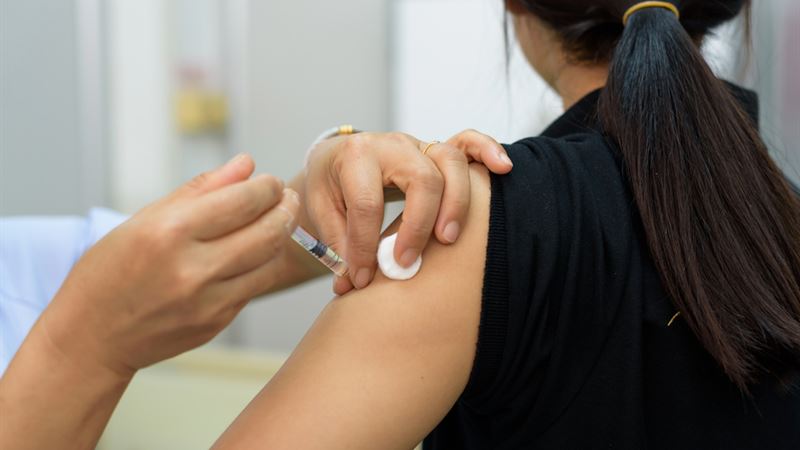
- HPV vaccines, such as Gardasil and Cervarix, have demonstrated high efficacy in preventing infection from major high-risk HPV strains.
- Educational initiatives emphasizing safe sexual practices, consistent condom use, and the importance of regular cervical screening are critical components.
- Male circumcision has been linked to reduced HPV transmission, contributing to overall disease control.
- A monogamous relationship with an infection-free partner further decreases risk.
- Early detection through Pap smears, HPV testing, and colposcopy allows for timely treatment of precancerous lesions and early-stage cancers.
- Treatment options include cryotherapy, loop electrosurgical excision procedure (LEEP), conization, or hysterectomy depending on the lesion's severity.
Available Treatment Methods
- The choice of treatment depends largely on the stage of the cancer, classified from stage I to IV.
- Precancerous conditions are often managed with minimally invasive procedures such as cryotherapy, cauterization, laser therapy, or cone biopsy.
- Invasive cervical cancers require more aggressive therapies, including surgery, chemotherapy, radiation therapy, or biologic treatments like immunotherapy.
- Supportive care, lifestyle modifications, and maintaining good nutritional health are vital during and after treatment courses.
- Regular follow-up appointments, follow-up Pap tests, and screening procedures are essential to monitor for recurrence or progression.