
Comprehensive Guide to Managing and Treating Viral Infection Symptoms
This comprehensive guide explores the diagnosis and treatment of viral infections, emphasizing the importance of early detection, proper testing methods such as PCR and blood cultures, and the role of vaccination and antivirals in managing symptoms. It provides detailed insights into preventive measures, supportive care, and the evolving landscape of viral disease management, aiming to educate readers on effective strategies to combat viruses and protect their health efficiently.
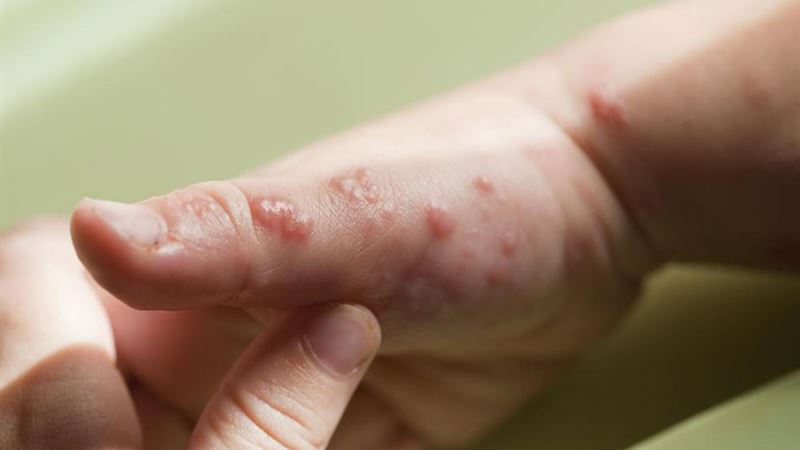
Understanding the nuances of viral infections can be overwhelming, especially since their symptoms often mimic those of other illnesses, making self-diagnosis unreliable. Prompt medical consultation is crucial once symptoms arise to ensure accurate diagnosis and effective treatment. This becomes particularly important for children and vulnerable populations because early intervention can prevent complications and promote faster recovery.
Diagnosing a viral infection accurately involves a series of specialized tests that identify the specific virus responsible. These diagnostic procedures are essential to tailor appropriate treatments and to implement preventive measures effectively.
Common diagnostic tests for viral infections include:
- Blood Tests: These are performed to detect the presence of viruses, antibodies, or antigens in the bloodstream, helping to identify the infection type and stage.
- Laboratory Cultures: Blood cultures or body fluid analyses are conducted to isolate and identify the causative microorganisms, determining the specific strain of the virus involved.
- Skin Sample Analysis: For viral skin infections, small samples from the affected area are examined microscopically or cultured to determine the exact virus causing the symptoms.
- Spinal Tap (Lumbar Puncture): This procedure involves extracting cerebrospinal fluid to detect viruses affecting the nervous system, such as meningitis or encephalitis.
- Polymerase Chain Reaction (PCR): A highly sensitive technique that amplifies viral genetic material, allowing precise detection of the virus even in very small quantities. PCR is invaluable for early diagnosis and monitoring the presence of specific viral strains.
Effective treatments for viral infections include:
- Vaccination: Prevention remains the most effective strategy against many viral diseases. Regular immunizations help build immunity and prevent outbreaks. Vaccines are designed to stimulate the immune system, providing long-lasting protection against specific viruses. Staying up-to-date with recommended vaccination schedules is essential for individuals and communities.
- Antiviral Medications: These drugs are developed to inhibit viral replication and help control symptoms. Though not as comprehensive as vaccines, antivirals can reduce the severity and duration of illnesses caused by viruses such as influenza, herpes, and HIV. Proper use of antiviral drugs under medical supervision is crucial for optimal outcomes.
- Supportive Care: Managing symptoms with rest, hydration, and over-the-counter remedies can alleviate discomfort. Symptom management is essential to improve quality of life during illness and to prevent secondary infections.
- Isolation and Hygiene: Preventing the spread of contagious viruses involves good hygiene practices and isolation measures when necessary, particularly in settings like hospitals or communal living spaces.
Understanding these diagnostic and treatment options empowers individuals and health professionals alike to combat viral infections effectively. Taking prompt action and adhering to recommended medical advice can significantly reduce complications and improve health outcomes.