
Essential Guide to Selecting the Perfect Playset for Your Children
Discover how to choose the perfect playset for your children with comprehensive safety, design, durability, and size considerations. Learn expert tips to create a fun, secure backyard playground tailored to your family's needs, ensuring lasting enjoyment and safety for your kids. Make informed decisions today for a joyful outdoor play area that promotes healthy development and active play.
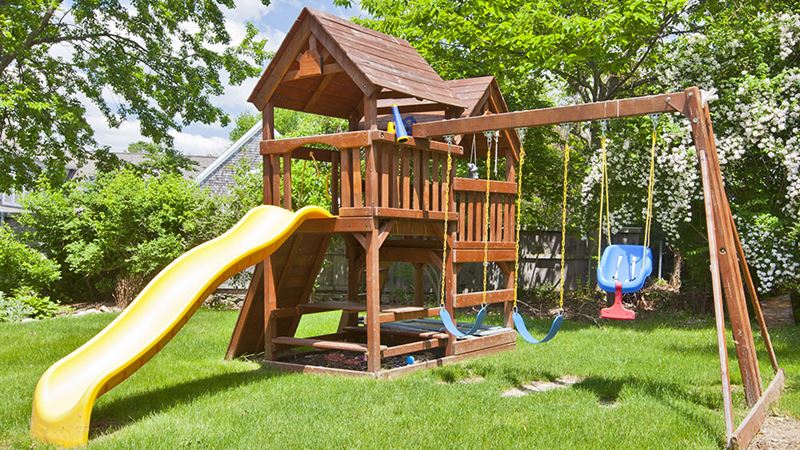
Choosing the right playset for your children is a critical decision that can impact their safety, enjoyment, and physical development. With a wide range of options available, making an informed choice requires understanding key factors such as safety features, structural design, material quality, size considerations, and installation procedures. This comprehensive guide aims to help parents and guardians navigate the process of selecting the ideal playset that fits their backyard space, budget, and their child's preferences.
- Prioritize Safety First
Ensuring your child's safety is the foremost consideration when choosing a playset. Start by inspecting the safety features incorporated into the design. Modern playsets are typically constructed from child-friendly materials like treated wood or durable plastic, which are generally safer than metal components that can heat up or cause injuries.
Assess whether the playset is installed on an even, flat surface—this prevents tipping or instability. If your backyard terrain is uneven, consider leveling the ground or installing the structure on a stable platform. Use shock-absorbing surfaces such as rubber mats, mulch, or loose-fill materials beneath the playset to cushion falls, especially for younger children.
Carefully examine all parts of the playset for sharp edges, protruding hooks, or splinters. All components should be smooth and free of hardware that could cause cuts or pinching. Regular maintenance checks should be part of your safety routine to identify and repair potential hazards promptly.
- Structural Design and Features
When selecting a playset, consider the variety of play options it offers. Different designs cater to different interests and age groups. Common features include swings, slides, climbing tunnels, forts, monkey bars, and bridges. You can choose a multi-activity playset that combines several features, creating a miniature playground tailored to your child's preferences.
Pay attention to the size and layout of the playset. Measure your backyard space carefully to ensure the selected structure will fit comfortably without crowding. Remember to leave sufficient clearance around the playset for safe movement and play.
In addition, assess whether the design promotes active play and encourages motor skills development. Overly complex or cluttered designs might pose safety risks or become unusable as your child grows.
- Durability and Material Quality
The longevity of the playset primarily depends on the quality of materials and craftsmanship. Invest in structures made from high-grade, weather-resistant materials to withstand environmental elements and heavy use. Wooden playsets should be constructed from pressure-treated, rot-resistant wood, while plastic components must be UV-resistant to prevent cracking and fading.
Ask vendors about the safety certifications and durability guarantees. Reading customer reviews online provides insights into the performance and possible issues with specific brands or models. Proper maintenance, including sealing wooden parts and inspecting hardware regularly, extends the lifespan of the playset.
- Size, Space, and Budget Considerations
Determine the suitable size of the playset based on your available backyard space and your child's current age and growth prospects. Larger structures provide more features and activity options but require ample space and taller clearance. Smaller models are ideal for limited areas and younger children.
Compare options based on their price and features. While it’s tempting to select a cheaper, less durable model, consider the long-term investment in quality and safety. Look for good value, which balances cost with features and durability.
Additionally, be aware of your budget constraints. Balance quality and safety with affordability to ensure you get the best value without compromising your child's safety or enjoyment.
- Ease of Installation and Professional Support
Installation is a crucial step that affects the safety and stability of the playset. Some models are designed for DIY assembly, which can be time-consuming and challenging if you lack experience. For most families, opting for professional installation is recommended to ensure all components are correctly assembled and securely anchored.
Many vendors offer installation services. Choosing a reputable professional installer minimizes the risks associated with improper setup, which can lead to wobbling, tipping, or structural failure over time. Ask about warranties or post-installation inspections to confirm that the playset meets safety standards.
In conclusion, selecting the ideal playset involves careful consideration of safety, design, quality, size, and installation. Taking the time to evaluate each factor thoroughly ensures your children can enjoy a fun, safe, and durable play environment in your backyard. Remember, a well-chosen playset not only entertains but also supports your child's physical, social, and cognitive development for years to come.