
Comprehensive Guide to Choosing and Installing Outdoor Playsets for Your Children
This comprehensive guide offers detailed insights into choosing, customizing, installing, and maintaining outdoor playsets. Learn about different types, safety tips, and how to create an engaging outdoor space that promotes active play, ensuring your child's safety and enjoyment. Perfect for parents seeking durable and safe outdoor equipment for their kids' playtime needs.
Varieties and Types of Outdoor Playsets
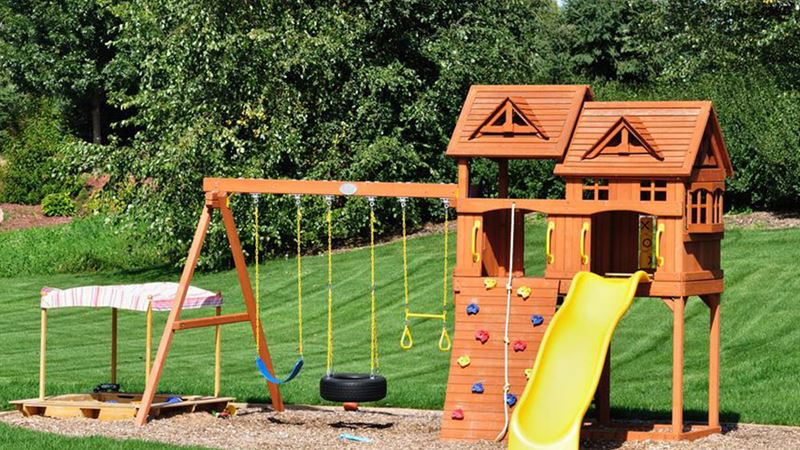
Outdoor playsets come in a vast array of designs, configurations, and materials, making it easy to find one that fits your yard and your child's interests. The options range from basic swing sets to complex multi-component play stations that include slides, climbing walls, tunnels, decks, monkey bars, sandboxes, and forts. When choosing a playset, consider your available space, budget, and your child's age and preferences.For smaller backyards or limited spaces, a simple swing and slide combo can provide hours of enjoyment. These are usually easy to assemble and maintain. For larger yards, you might opt for more comprehensive setups that incorporate multiple features, encouraging different types of physical activities, like climbing, swinging, sliding, and imaginative play.
The core materials used in manufacturing outdoor playsets include wood, metal, and plastics. Wooden playsets offer a rustic aesthetic and durability but require regular maintenance to prevent splinters or rot. Metal frames provide sturdy, long-lasting support, especially for commercial-grade equipment. Plastic components, such as swings, slides, and tunnels, are lightweight, weather-resistant, and safe for children, often made with smooth, rounded edges to prevent injuries.
In addition to the structural modules, many playsets now include accessories like snack bars, steering wheels, or musical elements, offering further customization tailored to your child's interests.
Personalizing Your Outdoor Play Area
Creating a customized outdoor play environment allows you to adapt the playset as your child's needs evolve. Starting with a basic swing set, you can gradually add features such as rope ladders, climbing walls, slide additions, or even elevated decks for imaginative play. This scalability ensures that your investment grows along with your child's abilities and interests.When planning your playset, think about incorporating themes or colors that match your backyard decor, encouraging a more inviting and enjoyable outdoor space. You might also consider integrating sensory elements like textured surfaces or musical panels to enhance play experiences.
Assembly and Installation Considerations
Most outdoor playsets come prefabricated with detailed assembly instructions. While many parents opt to handle assembly themselves, assembling complex playsets can sometimes be challenging, requiring a good level of DIY skills. Typically, these playsets do not require deep ground anchoring because they are designed with stable, wide bases that can stand freely on level surfaces. This makes relocation easier if necessary.If you're unsure about assembling the playset or lack the time, professional installation services are available through vendors. Hiring experts ensures that the playset is assembled correctly and safely, reducing the risk of accidents caused by improper setup. However, professional installation fees are additional and can add to the overall cost.
For DIY enthusiasts, most playsets come with comprehensive instruction manuals, and numerous online tutorials and videos can guide you through the process. Proper planning, following instructions meticulously, and having the right tools are essential for a smooth assembly experience.
Prioritizing Safety During Installation and Use
Safety should be your top priority when setting up and maintaining outdoor playsets. After completing assembly, double-check all connections, bolts, nuts, and fittings to ensure everything is tightly secured and correctly installed. Any loose parts can pose serious safety hazards.Clearance space around the playset is vital—aim for at least six feet (about two meters) of free space on all sides to prevent injuries from accidental falls or collisions. The area beneath and around the playset should be covered with impact-absorbing materials such as loose-fill mulch, sand, pea gravel, or rubber tiles. These materials should be poured to a depth of about 9 to 12 inches, providing a cushioned landing surface in case of falls.
Ensure all slides and decks have sturdy railings to prevent children from slipping off edges. Edges and corners should be smooth and rounded to avoid cuts and abrasions during play. Regular maintenance checks are crucial—inspect for rust, loose bolts, cracked or splintered wood, and damaged plastic parts, and repair or replace components promptly.
Establish and enforce safe play rules from a young age—educate children on how to play properly and avoid rough or unsafe behavior. Supervision during active play is recommended, especially for younger children just learning how to navigate the equipment.
Routine Maintenance and Upkeep
Maintaining your outdoor playset extends its lifespan and continues to ensure safety. Regularly inspect all components, tightening bolts and nuts, and replace worn or broken parts immediately. Keep the playset clean from dirt, mold, or mildew by washing with mild soap and water. Applying protective finishes or sealants, especially for wooden structures, helps prevent weather-related damage.Address rust or corrosion on metal parts promptly to prevent structural weakening. If your playset includes plastic components, check for cracks or brittleness, and replace if necessary.
It's also essential to maintain the surrounding area—keep the ground clear of debris, leaves, or potential tripping hazards, and replenish soft surfacing materials as they settle or degrade over time.
Encouraging Safe and Fun Outdoor Play
Outdoor playsets are versatile and customizable, allowing you to create a fun, safe, and inviting outdoor space for your children. Proper selection, installation, and maintenance are key to maximizing safety and enjoyment. Encourage your children to spend time outside, exploring and engaging in active play which benefits their physical health, social interactions, and creativity. Remember, a well-maintained playset not only offers countless hours of entertainment but also ensures peace of mind for parents, knowing their children are playing safely.