
Comprehensive Guide to Becoming a Skilled Senior Home Caregiver
Discover an in-depth guide on how to become a skilled senior home caregiver. Learn about essential skills, certifications, starting steps, and how to build a rewarding career caring for elderly individuals in their own homes. This comprehensive resource offers valuable insights for aspiring caregivers seeking a meaningful profession.
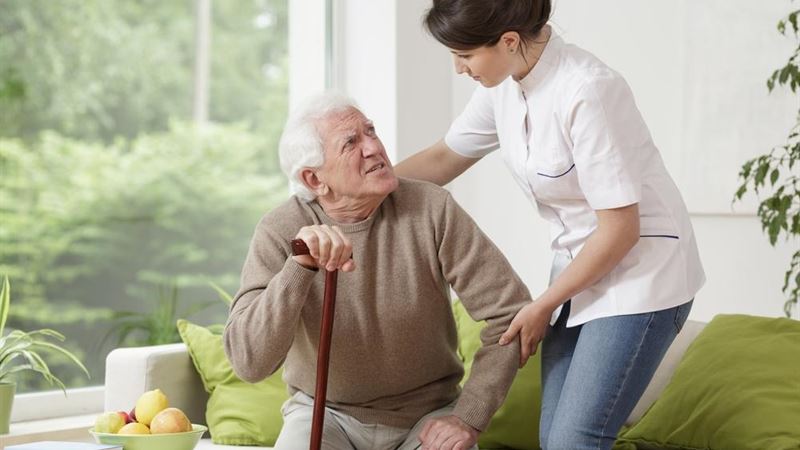
Embarking on a career as a senior home caregiver is a rewarding journey that requires dedication, compassion, and proper training. If you’re interested in providing essential support to elderly individuals in their own homes, understanding the necessary steps and qualities is crucial. This detailed guide will walk you through the essential skills, qualifications, and mindset needed to excel in this vital industry, along with tips on how to get started and thrive in your role.
Understanding the Role and Responsibilities of a Senior Home Caregiver
The primary goal of a senior home caregiver is to assist elderly clients with daily activities, ensuring their comfort, safety, and overall well-being. These activities may include help with personal hygiene, medication management, meal preparation, mobility assistance, and companionship. As a caregiver, you play a vital role in maintaining the independence and dignity of seniors while providing peace of mind to their families.Essential Qualities and Skills for Success
To excel in this field, certain qualities and skills are fundamental. Patience, empathy, excellent communication, and physical endurance are key. Caregivers must be able to handle emotional situations with sensitivity and adapt to the varying needs of different clients. Developing strong problem-solving skills and a nurturing attitude will help you deliver personalized care that genuinely makes a difference.Necessary Certifications and Training
While some caregiving roles may be entry-level, obtaining relevant certifications enhances your employability and confidence. Courses such as CPR, First Aid, and specialized caregiving programs are highly recommended. Many community colleges and online platforms offer flexible training options that cover vital caregiving techniques, elderly healthcare needs, and safety protocols.Starting Your Career: Practical Steps You Need to Follow
If you're new to caregiving, consider starting with part-time or volunteering opportunities to gain experience. Building a portfolio of references and practical skills can open doors to more permanent positions. Research reputable home care agencies, understand their requirements, and prepare a compelling resume highlighting your compassionate nature and any relevant training.Building the Right Mindset and Professional Approach
Successful caregivers approach their work with sincerity and respect. It’s important to establish clear boundaries, maintain professionalism, and keep a positive attitude, even during challenging moments. Remember, your attitude directly impacts the elderly individual’s comfort and quality of life.Overcoming Challenges and Continuing Your Education
Caregiving can be physically and emotionally demanding, making resilience and ongoing education essential. Stay current with new caregiving practices, attend workshops, and participate in caregiver support groups. Continuous learning will improve your skills, enhance job satisfaction, and help you provide the best possible care.Legal and Ethical Considerations
Be aware of the legal aspects related to caregiving, including confidentiality, elder rights, and safety regulations. Adhering to ethical standards ensures trust and professionalism in your relationship with clients and their families.Creating a Fulfilling Career Path in Senior Home Caregiving
As you gain experience, consider specializing in areas like dementia care, palliative support, or mobility training. Building a reputation for reliability and compassion can lead to higher positions or opportunities to open your own caregiving service in the future. Mentoring new caregivers and staying committed to improving your skills will help you grow both professionally and personally.Final Thoughts
Becoming a senior home caregiver is more than just a job — it is a chance to make a tangible difference in the lives of elderly individuals and their families. With the right skills, attitude, and dedication, you can build a rewarding career providing meaningful support and companionship. Embrace the journey with openness and compassion, and you will find it to be a truly fulfilling experience that enriches both your life and the lives you touch.