
Selecting the Perfect Nutritional Diet for Your Feline Companion
Discover how to select the ideal indoor cat food tailored to your feline’s life stage and dietary needs. Learn about essential nutrients like proteins, fats, fiber, vitamins, minerals, and taurine. Get tips on maintaining variety and hydration, avoiding harmful foods, and choosing nutritionally approved products to keep your cat healthy and energetic throughout its life. Perfect for new and seasoned cat owners alike, this comprehensive guide ensures your pet’s diet supports optimal health and happiness.
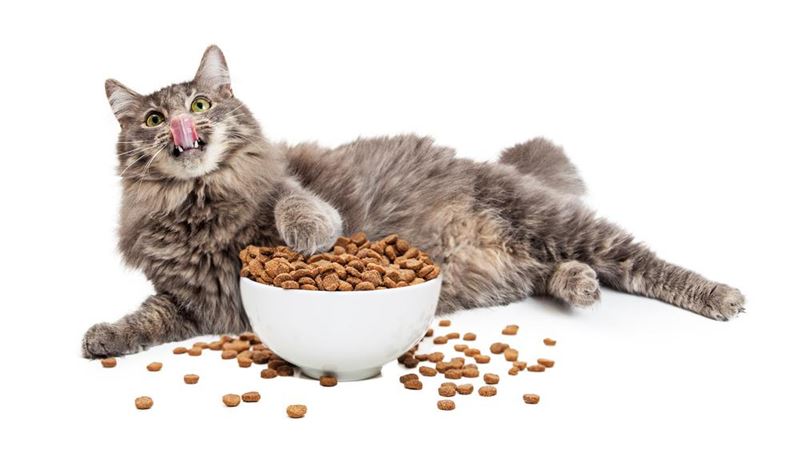
- High-Quality Proteins:
Proteins are vital for building and maintaining your cat’s muscle mass and ensuring optimal health. The ideal indoor cat diet should contain about 95% high-quality proteins derived from animal sources such as poultry, beef, or fish. These proteins provide essential amino acids that cats cannot produce on their own. When choosing cat food, always look for labeled sources of animal protein to guarantee nutritional adequacy. - Healthy Fats:
Fats are a concentrated energy source and are crucial for maintaining a shiny coat and healthy skin. Focus on foods enriched with omega-3 and omega-6 fatty acids, which have anti-inflammatory properties and support cognitive function. These healthy fats also play a role in cell membrane health. Opt for foods that list fish oil or flaxseed oil as ingredients for optimal fatty acid content. - Dietary Fiber:
Fiber intake is essential for supporting optimal digestion and preventing gastrointestinal issues such as constipation or gas. Choose foods with adequate fiber content, derived from natural sources like beet pulp, pumpkin, or whole grains, to promote a healthy intestinal environment. Proper fiber levels also aid in weight management and reduce hairball formation. - Vitamins and Essential Minerals:
Your feline friend needs a well-rounded intake of vitamins A, E, K, B-complex, along with minerals like calcium, phosphorus, and iodine. These nutrients are vital for immune function, bone health, and overall vitality. High-quality cat foods are formulated to meet or exceed AAFCO standards, ensuring they contain the necessary vitamin and mineral levels for different life stages.
Taurine, an amino acid fundamental to feline health, must be included in every cat's diet. It is essential for maintaining healthy eyesight, heart function, and reproductive health. Cats cannot synthesize sufficient taurine independently, making it a critical nutrient in their daily diet. Ensure the cat food you select explicitly lists taurine as an ingredient.
Cats have a relatively short digestive tract and are evolutionarily adapted to low-carbohydrate diets. They lack the enzymes necessary to digest high amounts of fruits, vegetables, or grains. Therefore, avoid foods with excessive carbohydrate content. Premium dry foods like Hill’s Science Diet are formulated to provide digestible carbohydrates that meet these needs.
Always scrutinize ingredient labels to confirm the nutritional completeness of the food. It’s crucial to select products approved by the AAFCO, as this certification guarantees that the food meets established nutritional standards suitable for different stages of your cat’s life.
When you decide to bring a feline into your life, understanding their evolving dietary needs is key. As cats age, their nutritional requirements shift, necessitating different formulations at various life stages.
Kittens and pregnant or nursing cats require higher calorie intake, with increased levels of fats and proteins to support rapid growth and development. During these stages, an emphasis on nutrient-dense food is paramount. For senior cats, lower-fat diets are advisable to prevent obesity, while still providing essential nutrients to maintain health.
Incorporating dietary variety can prevent feline boredom and encourage healthy eating habits. Think about offering different types of food—such as dry and wet options—at different times of the day. For example, mornings could feature dry kibble, while evenings could include wet canned food. This variation keeps your feline interested and ensures a balanced intake of different textures and flavors.
Maintaining hydration is equally important, so provide an endless supply of fresh, clean water. Automatic water fountains can keep the water circulating and appealing to your cat, encouraging drinking. If you notice signs of dehydration, consider changing to wet foods, which contain higher moisture levels.
Be cautious with your feline’s diet by avoiding giving table scraps or foods toxic to cats. These include chocolate, caffeine, grapes, raisins, onions, and garlic. As cats age, their ability to digest lactose diminishes, making milk or milk-based products unsuitable. Choosing appropriate dietary options ensures your cat remains healthy, happy, and energetic for years to come.