
Essential Insights into TV Video Converters: Why Investing in Quality Matters
Discover the importance of high-quality TV video converters and learn how they enhance your viewing experience. Find out key features to consider, including build quality, power sources, and lag reduction, to ensure optimal signal processing and image clarity for all your multimedia devices. Investing in the right converter can transform old hardware into modern entertainment sources, providing clarity, stability, and convenience to your home theater setup.
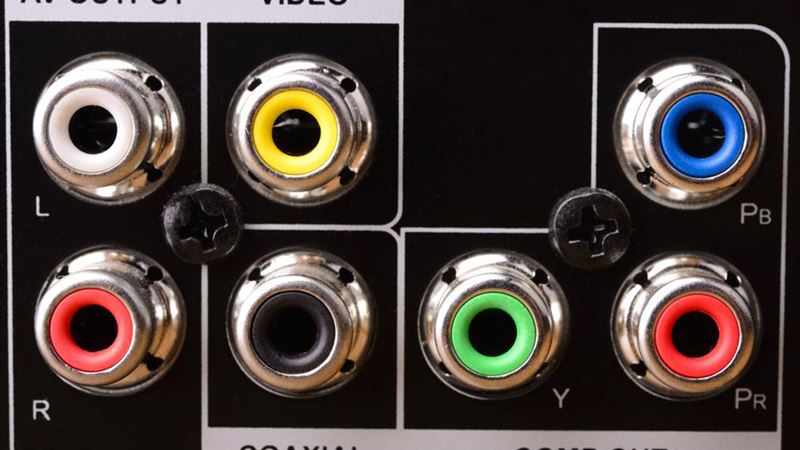
Understanding the significance of TV video converters requires a detailed overview of their functions and benefits. These devices serve as crucial tools for homeowners and tech enthusiasts who seek optimal connectivity between various multimedia devices and modern TVs. By transforming and transmitting signals efficiently, these converters enhance viewing experiences, allowing users to enjoy a broad spectrum of content from different sources. The importance of selecting high-quality converters cannot be overstated, as they directly impact picture clarity, signal stability, and overall convenience.
At their core, TV video converters are designed to decode, process, and transmit video signals in formats compatible with your television set. They ensure seamless communication between legacy devices, such as old DVD players or gaming consoles, and contemporary high-definition TVs. The primary criterion for choosing a reliable converter lies in its ability to maintain signal integrity, which translates into sharp images, vibrant colors, and smooth playback.
One of the fundamental features to evaluate in a TV video converter is its capacity to deliver a clear pathway for signals. This entails robust internal components and superior circuit design that facilitate accurate decoding of AV signals into digital formats like HDMI. The conversion process involves decoding analog signals into digital bits, which are then routed to the TV’s HDMI port for display. A poorly routed signal or low-quality conversion can result in degraded image quality, lag, or even signal loss, diminishing the viewing experience.
Thus, building quality plays a decisive role. Premium converters are equipped with high-grade components that ensure precise signal routing and rapid data processing. Investing in a high-end model typically results in better image fidelity, reduced noise, and consistent performance over time. Remember, the overall picture quality is heavily dependent on the converter’s ability to accurately process signals and minimize signal interference or delays.
Another critical aspect is power dependency. Some TV video converters operate solely via the device’s internal power supply connected to an AC outlet. Others may draw power from external sources, such as USB ports or batteries, making them more portable and flexible for different use cases. For instance, if space or power outlets are limited, opting for battery-powered or USB-powered converters offers convenience without sacrificing performance.
Lag time — the delay between input and output signals — is an often overlooked but pivotal consideration, especially for gamers or those streaming real-time content. Good-quality converters feature minimal lag, often measured in milliseconds, ensuring smooth and synchronized playback. Cheaper models with lower-grade components tend to exhibit longer delays, causing a mismatch between audio and video, or lag in fast-moving scenes.
When selecting a TV video converter, prioritize models that boast high-grade internal parts, reliable signal processing, and versatile power options. Such investments guarantee a superior viewing experience, restoring old movies, connecting gaming consoles, or streaming online content with clarity and fluidity. An efficient converter broadens your multimedia possibilities, transforms your entertainment setup, and provides a cost-effective means of extending the utility of existing devices.
In conclusion, TV video converters are invaluable tools in the modern electronic landscape. They bridge the gap between outdated hardware and sophisticated high-definition displays, enabling users to enjoy TV content in its best form. By choosing high-quality converters based on build quality, power options, and lag performance, you ensure long-term satisfaction and excellent viewing quality. In essence, a good TV video converter enhances your entertainment experience, saves you money, and offers the versatility to connect a variety of multimedia devices seamlessly.