
Comprehensive Guide to Storm Doors: Features, Benefits, and Installation Tips
This comprehensive guide explores the essential aspects of storm doors, including their features, benefits, installation tips, and maintenance. Learn how to select the right storm door to improve your home's security, energy efficiency, and curb appeal. Discover expert advice on installation and upkeep for lasting performance and style.
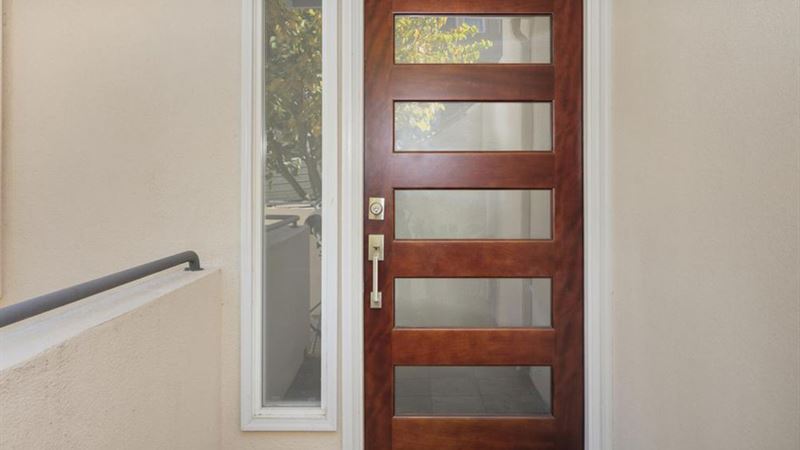
Storm doors serve as an essential barrier between your home's interior and the external environment, offering protection against harsh weather conditions, insects, and uninvited intruders. They are designed with durability and security in mind, enhancing the overall safety and comfort of your residence. Understanding the key features, benefits, and installation requirements of storm doors can help homeowners make informed decisions that improve both functionality and aesthetic appeal.
Why Are Storm Doors a Valuable Investment?
Installing a high-quality storm door can significantly enhance your home's energy efficiency, security, and curb appeal. These doors act as an additional layer of insulation, reducing heat loss during cold seasons and keeping cool air inside during warmer months. Moreover, storm doors can prevent insects and debris from entering your home, maintaining a cleaner and more comfortable living space.
Key Features of Modern Storm Doors
- Robust Frame Construction: Most storm doors feature reinforced aluminum or steel frames that withstand time and adverse weather conditions. The sturdy structure provides long-lasting durability and resistance to corrosion.
- Weatherproofing Elements: Quality storm doors include weather stripping and bottom expanders. These components seal gaps around the door frame, preventing drafts, rain, and wind from penetrating the house and ensuring energy efficiency.
- Protective Glass Panels: Many storm doors come with glass inserts, which contribute to increased natural light and visibility. These panels are often reinforced or double-glazed for added security and insulation.
- Security Features: Enhanced locks and handles are integrated into storm doors to safeguard your home. These security measures are designed to resist forced entry while maintaining ease of use.
- Design and Aesthetic Options: Storm doors are available in a variety of styles, colors, and finishes. Handles and hardware are often designed to match the frame, giving a cohesive and attractive appearance to complement your home's exterior.
- Ease of Installation: Many models feature adjustable hinges and pre-drilled holes, enabling straightforward installation on a variety of door sizes and shapes.
Advantages of Installing a Storm Door
The benefits of installing a storm door extend beyond protection from weather. Here are some of the primary advantages:
- Enhanced Energy Efficiency: By creating an additional barrier, storm doors help in maintaining indoor temperatures, reducing the workload on heating and cooling systems, which can lead to lower utility bills.
- Increased Security: Reinforced locks and sturdy frames enhance the safety of your home, deterring potential intruders.
- Better Ventilation and Natural Light: When the glass panels are open, they enable airflow into the house, promoting better indoor air quality. Glass panels also allow more natural light, reducing dependence on artificial lighting.
- Protection Against Elements and Insects: These doors shield your home from rain, snow, and wind while preventing insects and pests from entering.
- Improved Curb Appeal: A well-chosen storm door complements your home's exterior and can increase property value.
Choosing the Right Storm Door for Your Home
Selecting the ideal storm door involves considering various factors:
- Material: Aluminum is lightweight and resistant to rust, while steel provides maximum strength.
- Design: Decide between full-view, mid-view, or decorative options based on aesthetic preferences and ventilation needs.
- Security Features: Ensure the door is equipped with sturdy locks and reinforcement for added safety.
- Color and Finish: Match or complement the existing exterior decor.
- Installation Compatibility: Check that the door fits your existing door frame and opening specifications.
Installing a Storm Door: A Step-by-Step Guide
Proper installation guarantees optimal performance and longevity. Here are the essential steps:
- Measure Accurately: Measure your door frame's width and height to select a matching storm door.
- Gather Necessary Tools: Typically, you'll need a drill, screwdriver, level, measuring tape, and screws.
- Prepare the Door Frame: Remove any existing storm or screen door and clean the frame to ensure a proper seal.
- Install the Frame: Follow the manufacturer's instructions to attach the storm door's hinges, ensuring they are aligned correctly.
- Set the Door: Hang the door on the hinges and check for proper alignment and swing direction.
- Secure and Seal: Tighten all screws, adjust weather stripping, and check the lock functionality.
- Finish Up: Test the door's operation, seals, and security features before finalizing installation.
Maintenance Tips for Longevity
Regular upkeep can prolong the life of your storm door:
- Clean glass panels with mild soap and water periodically.
- Inspect weather stripping and replace if worn out.
- Lubricate hinges and locks to ensure smooth operation.
- Check for rust or corrosion, especially in coastal areas, and address promptly.
- Adjust hinges if the door begins to sag or misalign over time.
Conclusion
Investing in a high-quality storm door enhances your home's protection, energy efficiency, and visual appeal. By understanding the key features and proper installation techniques, homeowners can enjoy a safer, more comfortable, and more attractive residence. Whether you prioritize security, aesthetics, or weather resistance, there's a storm door designed to meet your specific needs, making it a valuable addition to any home.