
Effective Strategies to Address and Resolve Cat Litter Box Challenges
Learn practical strategies to resolve common cat litter box problems, including optimal placement, sufficient box numbers, thorough cleaning, and litter preferences. These tips help ensure your cat's health and happiness, promoting better bathroom habits and reducing stress for both pet and owner.
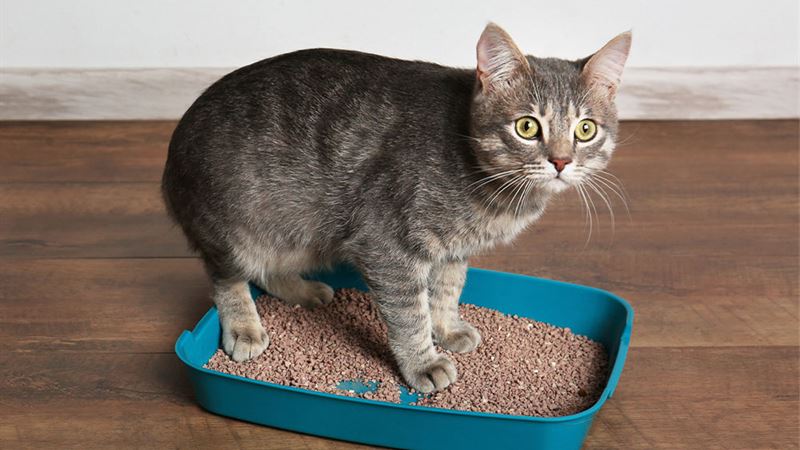
Many feline owners face common yet frustrating issues related to their cats' litter box habits. These challenges may include signs of discomfort such as painful urination, irregular bowel movements like constipation or diarrhea, or behaviors indicating underlying health problems such as injured paws, arthritis, dementia, diabetes, or kidney issues. Identifying and understanding the root causes of these problems is essential. Veterinarians usually conduct thorough examinations, including urinalysis, stool tests, or blood work, to diagnose potential health concerns. Once health issues are ruled out or managed, adjusting the litter box environment can make a significant difference in improving your cat’s bathroom behavior.
Optimizing the Placement of the Litter Box
Healthy litter box habits rely heavily on the right location. Just like humans, cats require privacy when they relieve themselves. Positioning the litter box in noisy, crowded, or high-traffic areas may cause your feline to avoid using it. Instead, choose a quiet, private corner of your home that provides a sense of security. Avoid placing the litter box in isolated or inconvenient spots such as the basement, garage, or laundry room, which may discourage regular use. Additionally, keep the box away from their sleeping and eating areas, as cats prefer a separation between their rest and elimination zones. Proper placement reduces stress and encourages consistent litter box use, helping prevent elimination outside the box.
Ensuring Adequate Number of Litter Boxes
Overcrowding in litter boxes is a common mistake that can lead to refusal to use the box or inappropriate elimination. If you own multiple cats, the rule of thumb is to provide one litter box per feline, plus one extra. This is especially important for adult cats, who are territorial and value privacy. Multiple boxes should be spread across different rooms to minimize conflicts and stress. For best results, avoid forcing cats to share a single litter box, as this can lead to territorial disputes or anxiety, resulting in undesirable urination or defecation behaviors. Having enough clean, accessible litter boxes ensures that each cat receives personal space for their bathroom needs.
Maintaining a Spotlessly Clean Litter Box
Cats possess an incredibly keen sense of smell, and a dirty or smelly litter box can be a major deterrent. Regular cleaning is fundamental for encouraging your feline to use the box consistently. Scoop out feces and clumped urine crystals daily, removing waste promptly to reduce odor and prevent the box from becoming repulsive. Additionally, wash the entire litter box with unscented soap and warm water once a week to eliminate lingering odors and bacteria. Avoid using strong chemical cleaners or scented deodorizers, as these can also deter cats from using the box. A consistently clean container fosters positive bathroom habits and reduces the likelihood of accidents outside the litter box.
Testing Different Types of Litter
Felines can be very particular about the texture and composition of their litter. They may suddenly develop a preference or aversion to certain types. To find the most suitable litter for your cat, offer multiple options simultaneously—such as clumping, non-clumping, newspaper-based, sand, sawdust, or even small carpet remnants. Observe your cat’s reactions and preferences, and note any signs of discomfort or reluctance. Sometimes, changing the litter surface can resolve elimination issues. Experimenting with different types allows you to discover what feels most natural and comfortable for your pet, leading to improved litter box adherence and decreased accidents.