
Mastering the Art of Preparing Authentic Pulled Pork: A Step-by-Step Guide
Discover the ultimate guide to making authentic pulled pork at home. Learn about selecting the right meat, marinating techniques, optimal cooking times and temperatures, shredding tips, and serving ideas. This comprehensive tutorial ensures your pulled pork turns out tender, flavorful, and perfect for sandwiches or sides, elevating your culinary skills and impressing family and friends alike.
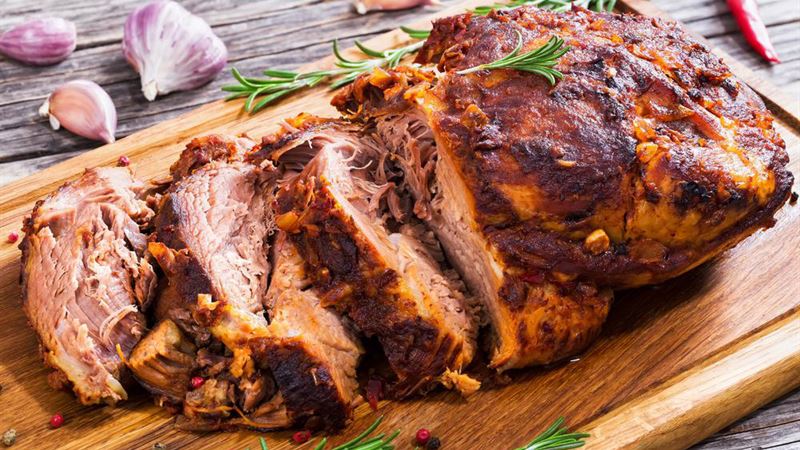
Choosing the Perfect Meat for Pulled Pork
For crafting truly authentic pulled pork, selecting the right cut of meat is essential. Pork shoulder, often called pork butt or Boston butt, is widely regarded as the ideal choice due to its rich intramuscular fat and connective tissue. This combination ensures the meat becomes tender, juicy, and easily shreddable after cooking. When preparing your pork shoulder, make sure to remove the skin to allow flavors to penetrate the meat effectively. You can opt for bone-in or boneless cuts based on your preference; bone-in meat can add extra flavor during cooking. Pork shoulder is well-suited to slow roasting, making it perfect for pulled pork recipes that require a low and slow approach, resulting in melt-in-your-mouth tenderness.
Marinating with an Array of Spices for Deep Flavor
Before cooking, marinating the meat is pivotal for infusing rich flavors. Start by applying a dry rub consisting of salt, sugar, and your favorite spices—paprika, pepper, garlic powder, cumin, onion powder, or chili powder—to the meat surface. Rub the mixture thoroughly ensuring all sides are coated evenly. For optimal flavor absorption, wrap the seasoned meat and refrigerate overnight. This step allows the meat to absorb moisture and spices, enhancing tenderness and taste. If you wish, you can customize your marinade with additional ingredients like apple cider vinegar, Worcestershire sauce, or hot sauce for different flavor profiles. Once marinated, rinse the meat to remove excess salt and spice residues before proceeding to cooking.
Cooking Time and Temperature — Achieving Perfection
Cooking pulled pork requires patience and precision. The standard guideline is approximately two hours of cooking per kilogram of meat at 140°C (284°F). The goal is to cook until the meat easily pulls apart with a fork, indicating it has reached an optimal tenderness level. To optimize moisture retention, place the pork on a wire rack inside a baking tray, pour a small amount of water or broth into the base of the tray to create steam, then cover loosely with foil. This moist environment prevents the meat from drying out while cooking slowly. For best results, consider using a meat thermometer to monitor internal temperature; when it reaches around 95°C (203°F), the meat is ready. Low and slow cooking ensures collagen breakdown, resulting in tender, flavorful pulled pork.
Shredding the Meat the Right Way
Once your pork reaches the desired tenderness, carefully transfer it to a large platter or cutting board. Using two forks, gently shred the meat by pulling it apart from the center outward. Discard any excessive fat pieces or unrendered connective tissue for a cleaner presentation. For a rustic feel, you can leave some larger chunks of meat intact. The shredding process is critical: do it while the meat is warm to ensure the fibers are easy to pull apart, resulting in tender shreds perfect for serving. This method ensures even distribution of flavors and creates the classic pulled pork texture loved by many.
Adding the Signature Sauce for a Perfect Finish
If you used water or broth during cooking, this liquid can be repurposed into a flavorful sauce. Allow the cooking juices to cool slightly and skim off any excess fat. Pour the liquid into a saucepan and simmer to concentrate the flavors. Mix this with your chosen sauce—be it a tangy barbecue, spicy chipotle, honey mustard, or vinegar-based sauce—to infuse the meat with additional flavor. Pour the sauce generously over the shredded pork, mixing well to ensure each piece is coated. For a more integral flavor, you can also stir in some of the shredded meat back into the sauce, letting it soak up the flavors for a few minutes before serving. Final adjustments to seasoning can be made here—adding salt, pepper, or more spice as needed.
Serving Suggestions: Buns, Sides, and More
Pulled pork is incredibly versatile and pairs beautifully with a variety of accompaniments. The classic presentation involves serving the meat in soft, sweet buns, topped with crunchy coleslaw for a delightful contrast of textures. For added flair, include pickles, sliced onions, or jalapeños. You can also serve pulled pork alongside cornbread, baked beans, or roasted vegetables for a complete meal. For a more substantial feast, consider making tacos or burritos with the shredded meat and fresh toppings. The smoky, savory notes of the pork combined with a range of sides and condiments will satisfy any crowd. Experimenting with different types of buns, sauces, and garnishes allows you to customize your pulled pork dish to match your taste preferences.
Embark on your culinary journey to master the art of preparing authentic pulled pork, bringing that slow-cooked, flavor-rich dish to your table, perfect for family gatherings, parties, or a cozy weekend meal. Patience, proper technique, and quality ingredients are the keys to achieving restaurant-quality results at home. Happy cooking!