
Ultimate Guide to Selecting the Ideal Wine Glasses for Enthusiasts and Casual Drinkers
Discover how to choose the perfect wine glasses to elevate your wine-tasting experience. This comprehensive guide covers glass types, construction, design features, and pairing recommendations based on wine varieties. Learn how stemmed and stemless glasses differ, their ideal uses, and tips for selecting durable, functional options that enhance aroma and flavor. Whether you’re a connoisseur or casual drinker, find out what to consider for optimal wine enjoyment. Enhance every pour with expert advice on matching glasses to your favorite wines for a refined, enjoyable experience.
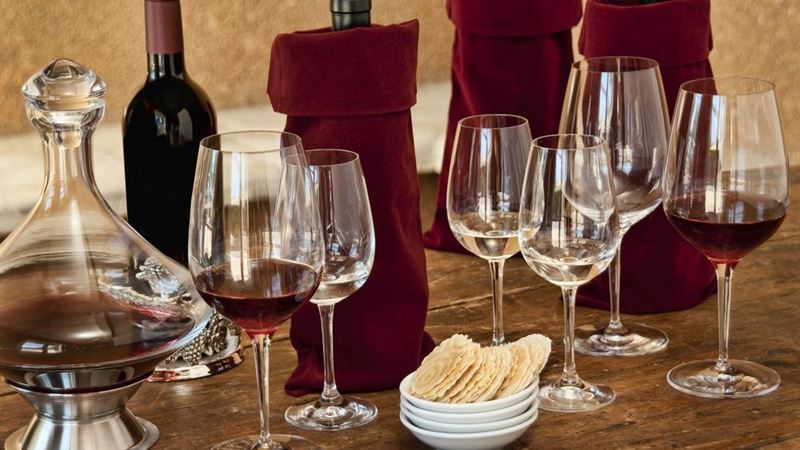
Choosing the perfect wine glass is more than just about style; it significantly influences the aroma, flavor, and overall tasting experience. Different types of glasses are designed to enhance specific kinds of wines, and understanding these nuances can elevate your wine-drinking sessions—be it at a formal dinner or casual gathering.
Stemmed vs. Stemless Glasses
Stemmed wine glasses are favored by connoisseurs for their ability to keep hands away from the wine, preventing temperature fluctuations and minimizing fingerprints. The long stems make swirling, smelling, and tasting more elegant and precise, while also providing an easy grip. Conversely, stemless glasses are praised for their convenience and durability, making them suitable for informal environments and everyday use. They are less susceptible to tipping over, especially on uneven surfaces, making them popular in casual settings.
When choosing between these options, consider your lifestyle and wine serving occasions. If you often host formal dinners or appreciate the sensory benefits of swirling and sniffing wines, stemmed glasses are ideal. For relaxed social gatherings and easy storage, stemless glasses are practical and stylish options.
Design Aspects: Rim Shape and Glass Base
The design of the rim plays a crucial role in how you perceive taste and aroma. Wine glasses may feature a tapered or flared rim; a tapered rim concentrates aromas towards your nose, enhancing aroma detection. Flared rims, on the other hand, allow for a wider opening, facilitating a broader flavor release. Similarly, the shape of the bowl influences how wine develops on your palate and how aromas are retained.
The base of the glass provides stability, especially if you prefer swirling or enjoy serving wine chilled. Select a sturdy and comfortable base for ease of use, especially when handling multiple glasses.
Construction Quality: Durability and Material Choices
When investing in wine glasses, durability matters. Hand-blown glasses tend to be more fragile but offer exquisite craftsmanship and aesthetic appeal. Machine-made glasses are usually more robust and less fragile, perfect for everyday use. Crystal wine glasses often provide clarity and brilliance, enhancing the visual presentation of your wines, and they tend to be more delicate and expensive. Thicker glasses are more durable but can slightly dull the wine's aroma compared to thinner glasses, which are designed to preserve temperature and aroma effectively.
Understanding the differences in materials and construction can help you select glasses that match your drinking habits and aesthetic preferences.
Matching Wine Types to Glass Styles
The shape and size of wine glasses should complement the specific characteristics of different wines. Different types of wines respond better to particular glass shapes—recognizing this can dramatically improve your tasting experience.
For white wines like Chardonnay, opt for a wide, shallow bowl. Such glasses help to preserve the wine’s aroma, allow for gentle aeration, and let you appreciate the flavors fully. Alternatively, red wines such as Pinot Noir benefit from a shorter, wider bowl with a tapered neck that concentrates aroma and helps in gentle swirling. These features also allow for better aeration, which enhances taste and aroma.
For fuller-bodied reds like Zinfandel or Syrah, a smaller bowl with a slightly tapered rim is often preferred to concentrate aromas. These glasses are designed to intensify the wine’s core flavors.
Before purchasing wine glasses, consider the types of wines you enjoy or serve most often. A diverse collection allows you to elevate each variety’s distinct profile and enjoy a more refined wine experience.
In summary, selecting the right wine glass involves understanding the construction, design, and compatibility with different wine types. Whether you're a dedicated enthusiast or a casual sipper, choosing appropriate glasses can truly enhance your wine enjoyment and impress your guests. Be mindful of your specific needs, lifestyle, and the wines you prefer to ensure every sip is savored at its best.
Stemmed vs. Stemless Glasses
Stemmed wine glasses are favored by connoisseurs for their ability to keep hands away from the wine, preventing temperature fluctuations and minimizing fingerprints. The long stems make swirling, smelling, and tasting more elegant and precise, while also providing an easy grip. Conversely, stemless glasses are praised for their convenience and durability, making them suitable for informal environments and everyday use. They are less susceptible to tipping over, especially on uneven surfaces, making them popular in casual settings.
When choosing between these options, consider your lifestyle and wine serving occasions. If you often host formal dinners or appreciate the sensory benefits of swirling and sniffing wines, stemmed glasses are ideal. For relaxed social gatherings and easy storage, stemless glasses are practical and stylish options.
Design Aspects: Rim Shape and Glass Base
The design of the rim plays a crucial role in how you perceive taste and aroma. Wine glasses may feature a tapered or flared rim; a tapered rim concentrates aromas towards your nose, enhancing aroma detection. Flared rims, on the other hand, allow for a wider opening, facilitating a broader flavor release. Similarly, the shape of the bowl influences how wine develops on your palate and how aromas are retained.
The base of the glass provides stability, especially if you prefer swirling or enjoy serving wine chilled. Select a sturdy and comfortable base for ease of use, especially when handling multiple glasses.
Construction Quality: Durability and Material Choices
When investing in wine glasses, durability matters. Hand-blown glasses tend to be more fragile but offer exquisite craftsmanship and aesthetic appeal. Machine-made glasses are usually more robust and less fragile, perfect for everyday use. Crystal wine glasses often provide clarity and brilliance, enhancing the visual presentation of your wines, and they tend to be more delicate and expensive. Thicker glasses are more durable but can slightly dull the wine's aroma compared to thinner glasses, which are designed to preserve temperature and aroma effectively.
Understanding the differences in materials and construction can help you select glasses that match your drinking habits and aesthetic preferences.
Matching Wine Types to Glass Styles
The shape and size of wine glasses should complement the specific characteristics of different wines. Different types of wines respond better to particular glass shapes—recognizing this can dramatically improve your tasting experience.
For white wines like Chardonnay, opt for a wide, shallow bowl. Such glasses help to preserve the wine’s aroma, allow for gentle aeration, and let you appreciate the flavors fully. Alternatively, red wines such as Pinot Noir benefit from a shorter, wider bowl with a tapered neck that concentrates aroma and helps in gentle swirling. These features also allow for better aeration, which enhances taste and aroma.
For fuller-bodied reds like Zinfandel or Syrah, a smaller bowl with a slightly tapered rim is often preferred to concentrate aromas. These glasses are designed to intensify the wine’s core flavors.
Before purchasing wine glasses, consider the types of wines you enjoy or serve most often. A diverse collection allows you to elevate each variety’s distinct profile and enjoy a more refined wine experience.
In summary, selecting the right wine glass involves understanding the construction, design, and compatibility with different wine types. Whether you're a dedicated enthusiast or a casual sipper, choosing appropriate glasses can truly enhance your wine enjoyment and impress your guests. Be mindful of your specific needs, lifestyle, and the wines you prefer to ensure every sip is savored at its best.