
Comprehensive Guide to Choosing the Perfect Wine Cooler for Your Collection
Discover the comprehensive guide to choosing the ideal wine cooler for your collection. Learn about different cooling mechanisms, storage zones, capacity considerations, and features that help preserve wine quality. Whether you're a casual drinker or a serious collector, find tips to select a cooler that fits your needs and budget, enhancing your wine preservation and tasting experience. Make informed decisions with expert advice on technology, storage, and maintenance to protect your investment and elevate your wine enjoyment at home.
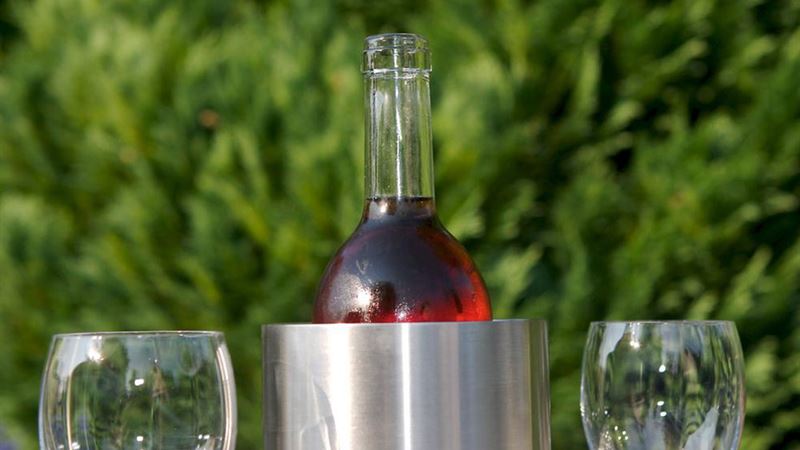
When it comes to preserving and enjoying fine wines, selecting the right wine cooler is crucial. With a plethora of options available in the market, understanding the key features, types, and considerations can significantly enhance your wine storage experience. Whether you're a casual wine enthusiast or a seasoned collector, choosing a wine cooler tailored to your needs can protect your investment and elevate your wine tasting journey.
One essential aspect to consider is the cooling mechanism. Compressor-based wine coolers operate similarly to conventional refrigerators, utilizing refrigerant gases that flow through coils and walls to extract heat. These units are generally more affordable and effective, making them a popular choice among consumers. However, they tend to produce more noise during operation due to the compressor's working nature, which might be a concern if you plan to place your cooler in living or entertainment areas.
Alternatively, thermo-electric wine coolers employ Peltier technology, which uses electric currents to generate cooling without moving parts like compressors. As a result, these units operate very quietly and are energy-efficient, though they may have limitations in cooling capacity and temperature stability. Such coolers are ideal for small spaces or situations where noise reduction is a priority, offering a sound solution for home wine storage.
Beyond the cooling mechanism, wine coolers can be classified based on their storage zones. Single zone wine coolers feature one temperature control compartment, making them suitable for storing specific types of wines, such as reds or whites, at an optimal temperature. Dual zone wine coolers, on the other hand, have two separate compartments with independent temperature controls, allowing for the storage of different wine varieties at different optimal temperatures simultaneously.
For casual wine drinkers or those with a limited collection focusing primarily on a specific wine type, single zone wine coolers are often sufficient. They are typically more affordable, simpler to operate, and require less space. These units are ideal for preserving wine at a consistent temperature, ensuring that each bottle is ready to serve whenever you desire.
On the other hand, serious wine connoisseurs or collectors who enjoy exploring various wine styles may prefer dual zone wine coolers. These models provide the flexibility to store red and white wines or sparkling varieties at their respective ideal temperatures. Proper temperature management is critical to maintaining wine quality and flavor, and dual zone coolers make it easier to organize and access your wines appropriately.
It's vital to understand the specific storage requirements of different wines. For example, red wines are generally best stored at slightly warmer temperatures (around 12-18°C), while whites and sparkling wines thrive at cooler temperatures (around 7-12°C). A dual zone cooler allows you to customize and optimize storage conditions without compromise.
When selecting a wine cooler, also consider the capacity—how many bottles you need to store and the available space in your home. Modern models come in various sizes, from compact countertop units to large built-in or freestanding units capable of housing hundreds of bottles. Ensuring the cooler fits comfortably in your designated space while providing adequate storage is key to long-term satisfaction.
Additionally, features such as UV-protected glass doors, vibration reduction technology, and interior lighting can impact both the preservation and presentation of your wine collection. UV protection prevents light-induced degradation, vibration control minimizes disturbance to wine sediment, and interior lighting enhances visibility without exposing bottles to harmful light. Choosing a cooler with these features depends on your storage needs and aesthetic preferences.
Another consideration is energy efficiency. Opting for energy-saving models can reduce electricity costs and environmental impact over time. Look for units with good insulation and an Energy Star rating for sustainable wine storage.
Maintenance and durability are also important. Regular cleaning, proper placement in a stable environment, and adherence to usage guidelines will extend your cooler's lifespan and ensure optimal performance. Investing in a reputable brand with positive customer reviews can provide peace of mind regarding quality and after-sales support.
In conclusion, selecting the appropriate wine cooler involves weighing factors such as cooling technology, storage zones, capacity, additional features, and your personal wine storage goals. Whether you opt for a budget-friendly single zone unit or a sophisticated dual zone cooler, understanding your needs will help you make an informed decision. Proper storage preserves your wine's quality, enhances your wine experience, and adds elegance to your home decor. Take time to research and choose a wine cooler that matches your collection size, preferences, and budget, ensuring your wines remain in pristine condition for years to come.