
A Comprehensive Guide to Selecting the Perfect Comforter for Your Bedroom
Discover the ultimate guide to choosing a perfect comforter tailored to your needs. Learn about fill power, size, materials, and construction styles to make a smart investment in your sleep. Whether for winter warmth or summer coolness, this comprehensive article covers everything you need to know for a cozy, durable, and stylish bedding upgrade.
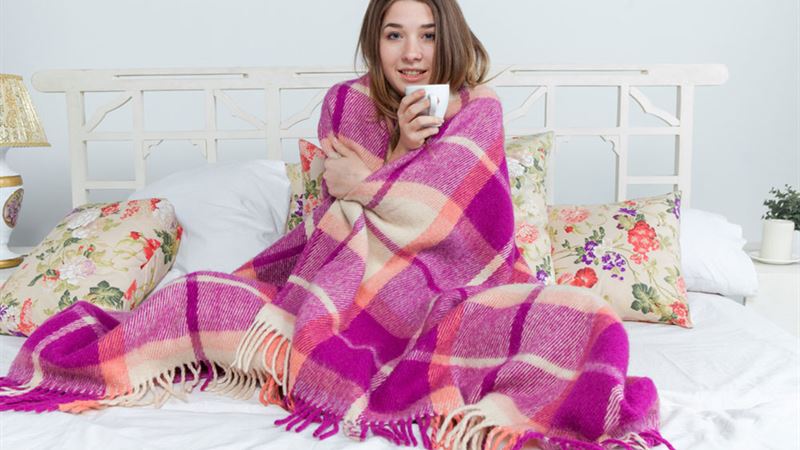
The warmth and coziness provided by a comforter significantly depend on its fill power. Higher fill power indicates better insulation and greater comfort. Choosing the right comforter involves understanding various factors such as your climate, personal preferences, budget, and sleeping habits. Whether you're upgrading your bedding or purchasing for the first time, this extensive guide will help you make an informed decision to enhance your sleep quality.
When embarking on your comforter shopping journey, start by setting a clear budget. Knowing how much you're willing to invest helps narrow down options and prevents overspending. Comforters come in a broad price range, from affordable options to luxurious high-end designs. Once your budget is established, consider your primary needs—are you seeking a lightweight summer comforter, a heavy winter one, or something suitable for year-round use?
The next critical factor is fill power, which measures the quality and loft of down or synthetic insulation. Fill power typically ranges from 400 to 900. For warmer climates or those who prefer less bulky bedding, a fill power of 500 to 550 offers sufficient warmth without excessive weight. Conversely, if you experience colder temperatures or want maximum insulation, opt for a comforter with a fill power of 700 or higher. These provide superior warmth, loft, and durability.
Size selection is equally vital. Comforters come in various dimensions, such as twin, double, queen, king, and California king. To ensure a perfect fit, choose a comforter that slightly exceeds your mattress size—usually by about 2-4 inches on each side—so it drapes comfortably over the edges. This not only enhances aesthetics but also ensures even warmth distribution. For couples sharing a bed, a larger comforter can prevent tug-of-war over bedding at night and improve overall comfort.
Design and construction details further influence comfort and longevity. Many comforters feature a grid or box-stitch pattern, which keeps the filling evenly distributed and prevents shifting or clumping. Box-stitch comforters are especially popular among those who prefer down fillings because the chambers contain the insulation securely.
Another popular construction style is the baffled down comforter. Baffles are vertical fabric strips sewn inside the comforter, creating pockets that allow the down to expand and loft fully. This design maximizes insulation capacity and maintains an even layer of fill without bunching.
In contrast, sewn-through comforters are made by stitching the top and bottom layers directly together, creating a quilted effect. While more affordable and easier to produce, these comforters may have less loft and warmth retention compared to baffled designs, making them more suitable for milder climates or less intensive use.
Thread count is a crucial consideration, akin to buying quality bed sheets. It refers to the number of threads woven into a square inch of fabric. Higher thread counts, typically above 300, produce smoother, sturdier, and more comfortable fabrics. They also tend to be more durable and resistant to wear. Luxury comforters often feature high thread counts, ensuring softness and longevity, though they might come with a higher price tag.
Material choices extend beyond down and synthetic fibers. Natural fabrics like cotton, silk, or wool offer breathability and moisture-wicking properties, making them ideal for sensitive skin. Synthetic options, such as microfiber or polyester, are generally more affordable, hypoallergenic, and easy to maintain. Your choice should align with your personal comfort preferences and any allergies.
Maintenance is another practical aspect. Most comforters can be cleaned in a washing machine, but always check the care label for specific instructions. Regular washing and fluffing help maintain loft and freshness. Using a duvet cover can protect your comforter from dirt and spills, extending its lifespan.
In summary, selecting the right comforter hinges on understanding fill power, size, material, and construction techniques. Prioritize your climate, comfort preferences, and budget to find a product that will serve you well for years. Investing in a quality comforter not only improves your sleep but also enhances the overall aesthetic of your bedroom, creating an inviting sanctuary of rest and relaxation.