
Comprehensive Guide to Insulin Administration for Diabetics
This comprehensive guide covers insulin management for diabetics, exploring different types, methods of delivery, and best practices. Whether you have type 1 or type 2 diabetes, understanding proper insulin use can significantly improve health and reduce complication risks. Discover various injection options, from traditional syringes to modern insulin pumps and patches, to find the method that best suits your lifestyle and medical condition. Proper knowledge and consistent treatment are essential for effective blood sugar control and maintaining overall well-being.
Insulin Management for Type 1 Diabetes
For individuals diagnosed with type 1 diabetes, insulin administration is an essential part of daily life. Typically, patients start with a regimen involving two injections per day, which may gradually increase to three or four depending on their blood glucose levels and medical advice. Each person’s insulin needs are unique, necessitating a variety of insulin types—such as rapid-acting, short-acting, intermediate-acting, and long-acting—to effectively regulate blood sugar levels. Proper insulin usage can significantly reduce the risk of life-threatening complications like stroke, neuropathy, kidney failure, and cardiovascular issues. Ensuring accurate dosing and consistent administration are crucial for maintaining optimal health and preventing emergencies.
Insulin Therapy for Type 2 Diabetes
While many people with type 2 diabetes initially manage their condition with lifestyle modifications and oral medications, insulin therapy often becomes necessary over time. Some patients may require a single insulin injection before bedtime, in addition to oral diabetes medications, to keep their blood glucose within healthy ranges. As the disease progresses or if oral medications cease to be effective, multiple daily injections of insulin may be required. Proper insulin management, combined with lifestyle adjustments such as diet and exercise, plays an important role in controlling blood sugar and preventing complications associated with uncontrolled diabetes.
Various Methods of Insulin Delivery
Although insulin injections are commonly associated with syringes and needles, there are several alternative and innovative methods available to make the process easier and less intimidating, especially for those who fear needles or have physical limitations. Each method offers unique advantages, catering to different preferences and medical needs. Choosing the right method can improve adherence to treatment and enhance quality of life. The main options include:
- Magnified Syringe Method: Designed for improved visibility, this method uses a syringe with a magnifier to help individuals with poor vision precisely administer insulin. The magnifier keeps the needle steady, allowing for accurate and confident injections.
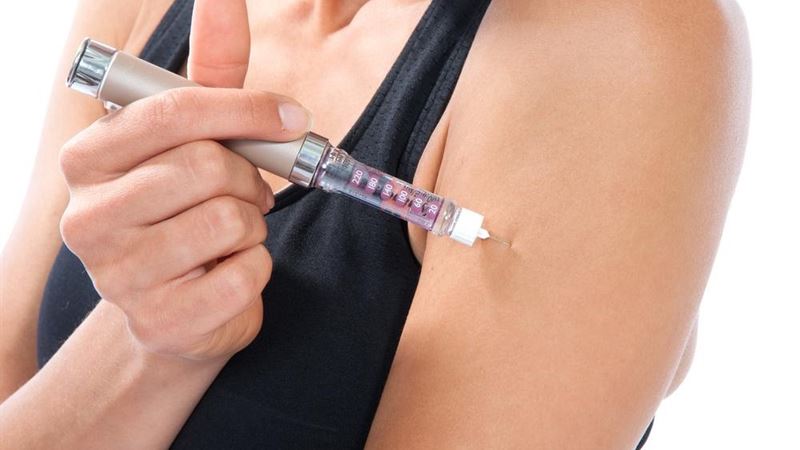
- Insulin Pen: Increasingly popular, insulin pens resemble large ballpoint pens and are user-friendly. They contain pre-filled cartridges of insulin and operate similarly to an EpiPen—simply press the plunger to deliver a dose. This method is discreet, convenient, and portable.
- Insulin Pump: The insulin pump is a sophisticated device that provides continuous insulin delivery through a small catheter inserted into the abdomen. It can be programmed to administer specific doses throughout the day and night, mimicking natural insulin release. The pump is ideal for those requiring tight glucose control, especially individuals with complex health conditions or those seeking more convenience in their daily routine.
- Patch Pump or Insulin Pump Patch: This newer technology involves a patch that adheres directly to the skin, delivering insulin through a small catheter without the need for tubing or syringes. It offers a less invasive alternative that is easy to use and discreet, suitable for active lifestyles.
Regardless of the chosen method, consistency and correct technique are key to effective insulin management. Consult your healthcare provider to determine the most suitable delivery system tailored to your medical needs and lifestyle. Proper education and regular monitoring ensure effective blood sugar control, improved health outcomes, and enhanced quality of life.