
Effective Strategies to Manage and Reduce Seasonal Allergies
Discover comprehensive strategies to effectively control and minimize the impact of seasonal allergies. Learn how environmental factors like pollen and mold spores affect you, and explore practical tips such as using HEPA filters, protective gear, and checking weather reports. Implementing these methods helps reduce symptoms and improve your quality of life during allergy seasons. From maintaining indoor air quality to personal hygiene and pet care, this detailed guide offers actionable advice for allergy sufferers to stay comfortable and protected year-round.
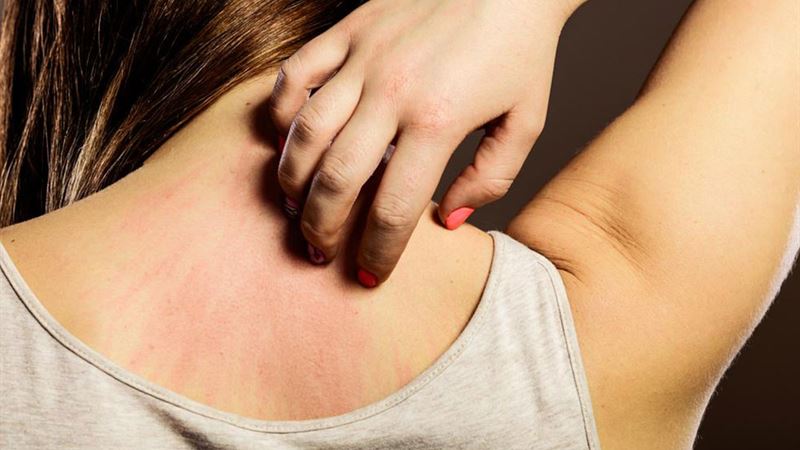
Understanding the causes of seasonal allergies is essential for developing effective control strategies. Pollen and mold spores are the primary culprits. Ragweed pollen particles are tiny but numerous, capable of traveling great distances with the wind. Mold spores are microscopic and can proliferate rapidly during and after rainy periods, especially in areas prone to flooding or high humidity. Identifying when and where these allergens are most prevalent can empower individuals to take preventive steps to minimize their exposure and reduce allergic reactions.
Knowledge is power, especially when it comes to managing allergies. Keeping track of local pollen and mold counts through weather reports and online trackers can inform your daily activities. When pollen and mold levels are high, limiting outdoor activities and taking protective measures are advisable. Wearing protective gear such as masks and protective eyewear can significantly cut down exposure, especially during outdoor chores like gardening or mowing lawns. Moreover, managing indoor air quality plays a vital role. Using HEPA (High-Efficiency Particulate Air) filters in air purification devices can trap airborne mold spores, pollen, and other pollutants, improving indoor air quality significantly. Regular cleaning of air conditioning filters is also recommended to prevent mold buildup.
Practical DIY tips can make a substantial difference in controlling allergy symptoms:
- Wear protective gear during outdoor activities: Use masks and protective eyewear to shield yourself from pollen and mold spores, especially when gardening or doing outdoor chores. Masks can filter out airborne allergens, reducing the amount of pollen inhaled.
- Improve indoor air quality: Invest in HEPA air purifiers and dehumidifiers. HEPA filters efficiently remove airborne allergens, while dehumidifiers help keep indoor humidity levels low, discouraging mold growth.
- Check pollen forecasts before traveling: Stay informed about current pollen and mold counts through weather reports or mobile apps. Planning outdoor activities during low pollen periods, such as early mornings, can greatly lessen allergy discomfort.
- Protect your eyes: Wear sunglasses or protective glasses outdoors to prevent pollen from irritating your eyes. Eye allergies are common, and protective eyewear can provide relief.
- Maintain personal hygiene: After outdoor activities, shower and change clothes promptly to wash away pollen from your skin and hair. This reduces the amount of allergens you carry inside your home.
- Adjust your exercise routine: Opt for exercising during early mornings when pollen levels are typically lower. Avoid outdoor workouts during peak pollen hours to prevent exacerbating allergy symptoms.
- Pet hygiene is crucial: Regularly wash and groom pets, especially if they go outdoors. Pets can carry pollen and mold spores into your home, aggravating allergy symptoms. Avoid sleeping with pets if you are highly allergic.
Understanding environmental triggers, maintaining cleanliness, and making informed lifestyle choices can greatly diminish the impact of seasonal allergies. Combining these DIY approaches with medical advice ensures a comprehensive approach to allergy management. Always consult allergy specialists for personalized treatment plans and medication options if symptoms persist or worsen.