
Ultimate Guide to Purchasing an Energy-Saving Electric Bicycle
Learn comprehensive insights into electric bicycles, including their power calculations, cost estimations, and energy efficiency. This detailed guide helps you understand the key factors for choosing the right eco-friendly e-bike, ensuring economical operation and sustainable travel options tailored to your lifestyle.
Understanding the Fundamentals of Energy-Efficient Electric Bicycles
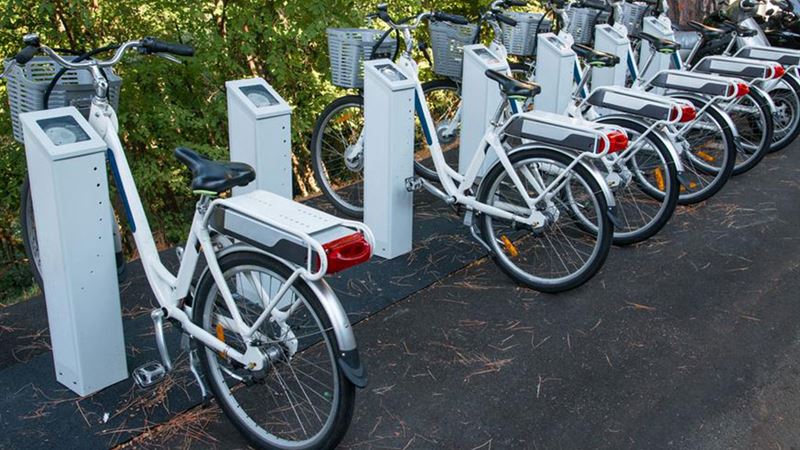
Electric bicycles, commonly known as e-bikes, are rapidly gaining popularity among commuters and recreational riders alike. They offer a sustainable, efficient, and cost-effective alternative to traditional bicycles and motor vehicles. Central to their energy efficiency is the capacity and quality of their batteries, particularly lithium-ion batteries, which determine how far and how economically they can operate on a single charge.
Most standard electric bikes come equipped with a battery rated around 10 Amp-Hours at 36 volts. This setup enables the bike to cover approximately 20 miles per full charge, making it an ideal choice for daily commuting and short-distance travel. To better understand energy consumption and costs associated with these bikes, it's essential to delve into the calculations of their power and how this translates to real-world usage.
Calculating the battery's energy output involves understanding its kilowatt-hour (kWh) rating, which essentially tells us how much energy it can deliver over time. The basic formula used to calculate the kWh of an electric bike battery is: 36 volts x 10 Amp-hours / 1000, resulting in a total of 0.36 kWh. This means that powering the bike for one hour would require 0.36 kilowatt-hours of electricity.
In practical terms, most riders recharge their e-bikes for about four to five hours per session. Consequently, the total energy consumed per recharge cycle can be estimated as: 4 hours x 0.36 kWh = 1.44 kWh, or approximately 1.8 kWh for a five-hour charge. This estimation provides a clear picture of the energy footprint of daily e-bike use.
Estimating the Cost of Operating an Electric Bicycle
The financial aspect of owning an e-bike isn't just about the purchase price but also encompasses the ongoing costs of electricity needed to recharge it. Let's explore how to accurately estimate these costs based on typical electricity rates in urban settings like New York City.
Electricity prices vary depending on your utility provider, time of use, and region. For the sake of a standard estimate, assume the cost per kilowatt-hour is approximately $0.10 in New York. Therefore, the expense to recharge the bike for each full cycle would be: 1.8 kWh x $0.10 = $0.18. This relatively low cost emphasizes the affordability of electric bikes compared to traditional gasoline-powered vehicles or even public transit for daily commutes.
By understanding these calculations, consumers can make more informed decisions about investing in an electric bike and anticipate ongoing operational expenses. The actual costs may fluctuate based on local electricity rates, usage patterns, and the efficiency of the bike’s battery and charging system.
Moreover, advancements in battery technology, such as higher capacity lithium-ion cells and improved energy management systems, continue to enhance the range and reduce the operational costs of electric bikes. This makes them an increasingly attractive option for environmentally conscious individuals seeking economical transportation solutions.
In conclusion, selecting an energy-efficient electric bicycle involves understanding its battery capacity, energy consumption rate, and associated costs. Proper calculation of these factors can significantly aid consumers in choosing the right model suited to their daily needs and budget, while also contributing towards a greener environment.