
Comprehensive Guide to a Heart-Healthy Low Cholesterol Diet
Discover a comprehensive guide to a low cholesterol diet that promotes heart health. Learn how incorporating legumes, tomatoes, avocados, garlic, nuts, vegetables, seeds, and healthy oils can help lower bad cholesterol, improve arterial function, and reduce the risk of cardiovascular diseases. This guide offers practical and tasty dietary strategies to support your heart health naturally and effectively, ensuring a healthier future.
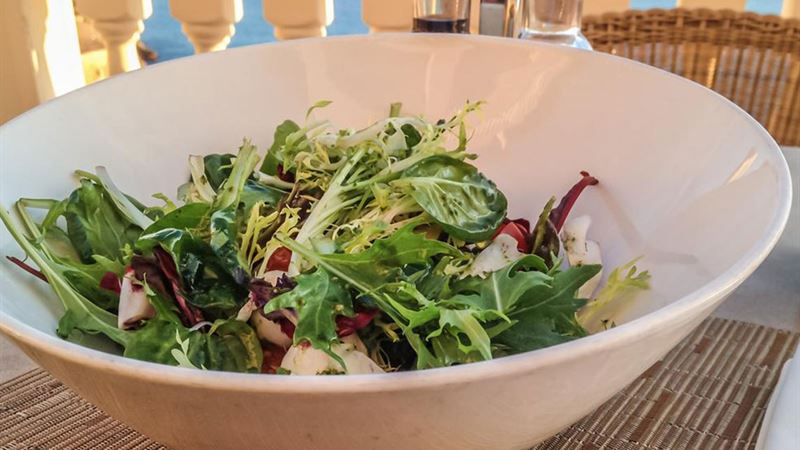
Maintaining a heart-healthy diet is crucial for reducing the risk of cardiovascular diseases. A diet rich in specific foods can significantly lower bad cholesterol levels, support arterial health, and promote overall well-being. Incorporating a variety of nutrient-dense foods such as legumes, vegetables, fruits, nuts, and healthy fats not only helps manage cholesterol but also boosts immune function and enhances longevity. Understanding the role of these foods in cardiovascular health empowers individuals to make informed dietary choices that promote a healthier heart for years to come.
Legumes such as lentils and green peas are powerhouse foods for heart health. These foods are high in fiber, protein, and essential nutrients that help regulate cholesterol levels and improve vascular health. Fiber binds to cholesterol in the digestive system, preventing its absorption into the bloodstream. Moreover, legumes are low in saturated fats, making them an ideal food choice for those aiming to maintain or reduce cholesterol levels and prevent cardiovascular issues.
Tomatoes are a nutritional marvel, packed with a diverse array of beneficial compounds including folic acid, antioxidants, beta-carotene, vitamin A, and vitamin C. The antioxidants in tomatoes, such as lycopene, are known to reduce LDL (bad cholesterol) oxidation, thereby preventing the formation of arterial plaque. Regular consumption of tomatoes has been associated with lowered blood pressure and decreased risk of heart disease and stroke. Including fresh tomatoes in your daily diet can be a simple yet effective strategy for cardiovascular protection.
Avocados offer a nutrient-rich profile packed with healthy fats, fiber, and essential vitamins such as E, K, C, A, and multiple B vitamins. The monounsaturated fats present in avocados, particularly beta-sitosterols, are beneficial in increasing HDL (good cholesterol) while reducing LDL levels. Additionally, avocados contain potassiummagnesium and other minerals vital for maintaining healthy blood pressure and overall heart function. Their creamy texture and versatility make them an easy addition to salads, sandwiches, and smoothies, supporting your heart health effortlessly.
Garlic has been used for centuries for its medicinal properties, particularly in cardiovascular health. When garlic cloves are chopped or crushed, they produce allicin—a powerful sulfur compound that offers multiple health benefits. Allicin helps to lower high blood pressure and reduce bad cholesterol levels. Several studies suggest that garlic supplementation can improve lipid profiles and support arterial elasticity, thereby reducing the risk of heart disease. Incorporating fresh garlic into your meals regularly can be an effective natural strategy for heart protection.
Nuts like almonds, walnuts, and pistachios are nutrient-dense superfoods that promote cardiovascular wellness. Rich in antioxidants, omega-3 fatty acids, and anti-inflammatory compounds, nuts contribute to lowering LDL cholesterol and preventing arterial plaque formation. The fiber content in nuts further aids in cholesterol management. Regular consumption of a small handful of nuts can enhance overall heart health, improve lipid profiles, and provide sustained energy, making them an ideal snack for maintaining a healthy lifestyle.
Leafy green vegetables such as spinach are excellent sources of iron, fiber, and various micronutrients that support vascular health. Spinach contains compounds like lutein and nitrates that help prevent arterial clogging and promote blood flow. Its ability to lower bad cholesterol levels and reduce inflammation makes it a vital component of a heart-conscious diet. Incorporating spinach into salads, smoothies, or cooked dishes can be an enjoyable way to bolster cardiovascular health.
Seeds like flax seeds and dark chocolate are natural remedies for lowering bad cholesterol. Flax seeds are rich in omega-3 fatty acids and soluble fiber, which help decrease LDL cholesterol and improve circulation. Dark chocolate, containing high cacao content, provides flavonoids that support endothelial function and reduce inflammation. Using healthy oils such as olive oil, avocado oil, peanut oil, and canola oil, which are high in polyunsaturated fats, can stimulate the liver to remove LDL cholesterol from the blood. Replacing saturated fats with these healthier oils is a practical step toward reducing heart disease risk.
Adopting a diet that emphasizes these heart-friendly foods can significantly lower the likelihood of developing cardiovascular diseases. Combining these nutritional strategies with regular physical activity and a healthy lifestyle creates a comprehensive approach to maintaining a healthy heart. Making mindful dietary choices today can lead to a longer, healthier life, free from the burdens of heart-related health issues.