
Effective Strategies to Elevate Your HDL Cholesterol for Heart Health
Discover comprehensive strategies to increase HDL cholesterol levels, improve your heart health, and prevent cardiovascular diseases. Learn about the role of diet, lifestyle, and the best foods to boost good cholesterol. This detailed guide provides practical tips to maintain healthy cholesterol balance through proven methods, including dietary choices and exercise routines, empowering you to take control of your cardiovascular wellness effectively.
Understanding Cholesterol: Good vs. Bad
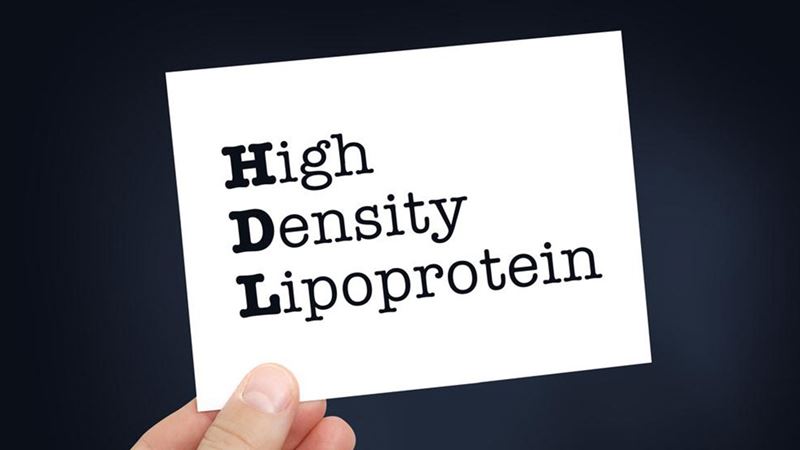
Cholesterol is a waxy, fat-like substance essential for various bodily functions, including hormone production and cell membrane health. However, not all cholesterol is equal. When discussing cholesterol, two main types come into focus: HDL (High-Density Lipoprotein) and LDL (Low-Density Lipoprotein). Maintaining a healthy balance between these two is crucial for cardiovascular wellness.
What is HDL Cholesterol and Its Importance
HDL cholesterol, often referred to as the 'good' cholesterol, plays a vital role in protecting your heart. It helps rid your bloodstream of excess cholesterol by transporting it back to the liver, where it can be processed and eliminated. Elevated HDL levels are associated with a reduced risk of heart disease, strokes, and other cardiovascular conditions. Medical professionals often assess HDL levels during routine blood tests because of its protective properties.
Research consistently shows that higher HDL levels correlate with healthier arteries and lower incidences of heart complications. A balanced HDL level contributes significantly to maintaining optimal cardiovascular health and preventing the development of arterial blockages.
LDL Cholesterol and Its Dangers
In contrast, LDL, or 'bad' cholesterol, is responsible for depositing fats along artery walls. Over time, this accumulation leads to plaque formation, which narrows and hardens the arteries—a condition known as atherosclerosis. This process jeopardizes blood flow to vital organs and increases the risk of heart attack and stroke. Elevated LDL levels are a primary concern for individuals at risk of cardiovascular disease.
When blood tests reveal high LDL levels, it indicates a need for lifestyle modifications—primarily diet and exercise—to mitigate this risk. Lowering LDL cholesterol can help prevent the progression of arterial plaque and maintain healthy blood circulation.
Triglycerides: The Often Overlooked Fat
Triglycerides are the most prevalent type of fat found in your bloodstream. They serve as a storage form of excess calories from the food you consume. While triglycerides are necessary in small amounts, high levels are problematic. Elevated triglycerides are often linked with lowered HDL levels and increased LDL, forming a dangerous triad that predisposes individuals to heart disease and metabolic issues, including insulin resistance.
Maintaining triglyceride levels within a healthy range is vital. Lifestyle changes, such as diet and exercise, can help regulate triglyceride levels and promote overall heart health.
The Impact of Excess Cholesterol on Heart Health
When excess cholesterol accumulates, it creates a persistent layer over arterial walls. This buildup, known as plaque, gradually narrows arteries and hampers blood flow. As arteries become blocked, the heart's oxygen supply diminishes, increasing the risk of a heart attack. Similarly, blockages in cerebral arteries can cause strokes.
Over time, unchecked cholesterol levels can lead to severe cardiovascular events. Therefore, proactive management of cholesterol is essential for preserving heart health and preventing life-threatening incidents.
Strategic Dietary Choices for Cholesterol Management
Diet plays a pivotal role in controlling cholesterol levels. A diet rich in heart-friendly foods can help elevate HDL while reducing LDL and triglycerides. Key dietary strategies include reducing saturated and trans fats, limiting intake of simple carbohydrates, and emphasizing fiber-rich foods.
For those with high LDL, cutting back on foods like fried items, processed snacks, and sugary desserts can significantly improve lipid profiles. Incorporating foods with high soluble fiber—such as oats, fruits, and vegetables—can trap cholesterol in the digestive system, preventing its absorption.
Plant sterols and stanols, naturally occurring compounds found in some fortified foods, can block the absorption of cholesterol. Including these in your diet helps lower LDL levels effectively.
To enhance HDL levels, focus on foods that contain beneficial fats and nutrients, which can actively contribute to better cholesterol balance and heart health.
Top 5 Foods That Naturally Boost HDL Cholesterol
- Nuts and Seeds: A daily handful of nuts such as walnuts, almonds, hazelnuts, pecans, pistachios, and peanuts provides an abundance of healthy monounsaturated and polyunsaturated fats. These fats support increasing HDL levels and improving overall lipid profiles. Nuts also contain fiber and antioxidants, further promoting cardiorespiratory health.
- Omega-3 Rich Seafood: Fatty fish like salmon, mackerel, sardines, tuna, and herring are exceptional sources of omega-3 fatty acids. These healthy fats have anti-inflammatory properties, improve HDL cholesterol, and decrease the risk of cardiovascular disease. Aim for at least two servings of fatty fish per week or consider omega-3 supplements if necessary.
- Olive Oil and Healthy Fats: The Mediterranean diet extensively features olive oil, which is abundant in heart-healthy monounsaturated fats. Regular use of extra virgin olive oil can raise HDL levels, reduce inflammation, and protect against heart disease. Incorporate it into salads, dressings, and cooking for maximum benefit.
- Avocado: Rich in monounsaturated fats, avocado is a heart-friendly fruit that can be used as a spread or added to salads and sandwiches. Despite its fat content, it supports raising HDL cholesterol and contributes to better lipid profiles.
- Soluble Fiber Foods: Oats, barley, beans, lentils, and fruits like apples and citrus contain soluble fiber. These foods help lower LDL cholesterol and can contribute to a healthier balance of blood lipids.
In addition to dietary modifications, maintaining an active lifestyle is equally essential. Regular physical activity, especially aerobic exercise, boosts HDL cholesterol levels. Aim for at least 150 minutes of moderate-intensity exercise weekly, such as brisk walking, cycling, or swimming. Combining diet with exercise creates a synergistic effect in improving your cardiovascular health.
Monitoring cholesterol levels periodically and adopting a holistic approach to wellness can significantly enhance your heart health. Small, consistent lifestyle changes add up to a healthier, longer life.