
Comprehensive Guide to Proper Hearing Aid Maintenance and Care
Learn essential tips for maintaining and caring for your hearing aids to ensure long-lasting performance. Discover how proper cleaning, storage, and regular professional check-ups can enhance device longevity, prevent issues, and provide clearer sound quality. This comprehensive guide offers practical advice suitable for users seeking to optimize their hearing aid maintenance routine, ultimately improving their hearing experience and quality of life.
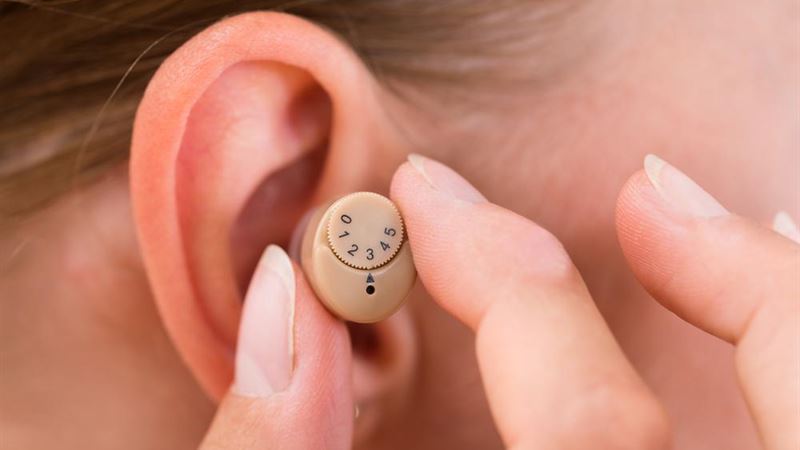
- Maintain ear hygiene consistently - Keeping your ears clean is essential because excess ear wax and dirt can infiltrate the device, clogging microphones and other components. Regularly inspect and gently clean your ears to prevent buildup that can impact performance.
- Store your hearing aids safely away from children and pets - Given their small size, hearing aids are attractive to children and pets who may mistake them for toys. Store your devices in a secure, dry place out of reach. Remember to deactivate the device when not in use to prevent unintended noise emissions that could disturb pets or damage the device.
- Avoid exposure to hair sprays, perfumes, and powders - Aerosol sprays and powder-based cosmetics contain tiny particles that can obstruct the microphone and switches inside the hearing aid. Always remove your device before applying such products and wait until the products have settled before reinserting it.
- Regularly clean your hearing aids - Proper cleaning is vital for optimal function. Use a soft, dry cloth to wipe the surface and avoid liquids like alcohol or household cleaners, which can damage internal components. Special cleaning kits designed for hearing aids are recommended for thorough cleaning. Pay close attention to battery contacts, cleaning them gently and replacing batteries when needed to prevent leakage and corrosion.
Additional Tips to Extend Your Hearing Aid’s Lifespan
Integrating proper care routines into your daily habits can significantly prolong the life of your hearing aids. Establish a cleaning schedule—preferably every evening after use—to keep your device in top condition. Using ultraviolet light sanitizers can eliminate germs without damaging electronics, ensuring your hearing aid remains hygienic.
Always check battery status each morning using a battery tester to guarantee your device is powered adequately. Keep spare batteries nearby and store them in a cool, dry place. When removing batteries overnight, leave the battery compartment open to allow residual moisture to evaporate.
Store your hearing aids in a protective case or designated drawer, away from extreme temperatures and direct sunlight. Avoid placing the device on surfaces where it could fall unnoticed; when inserting or removing the hearing aid, lean over a table or bed to prevent accidental drops.
Schedule regular professional check-ups—ideally every six months—with your hearing care specialist. These visits allow for thorough cleaning, troubleshooting, and servicing. They can identify issues like earwax buildup, suspected malfunctions, or component wear, helping you maintain peak performance for years to come.