
Comprehensive Guide to Finding Cost-Effective Storage Solutions
Discover comprehensive strategies for finding affordable storage units that meet your needs. From selecting the right location and size to leveraging promotions and negotiating rates, this guide provides detailed tips to help you save money while ensuring secure and convenient storage solutions. Whether you're downsizing, relocating, or decluttering, learn how to optimize your storage choices effectively and economically for long-term satisfaction.
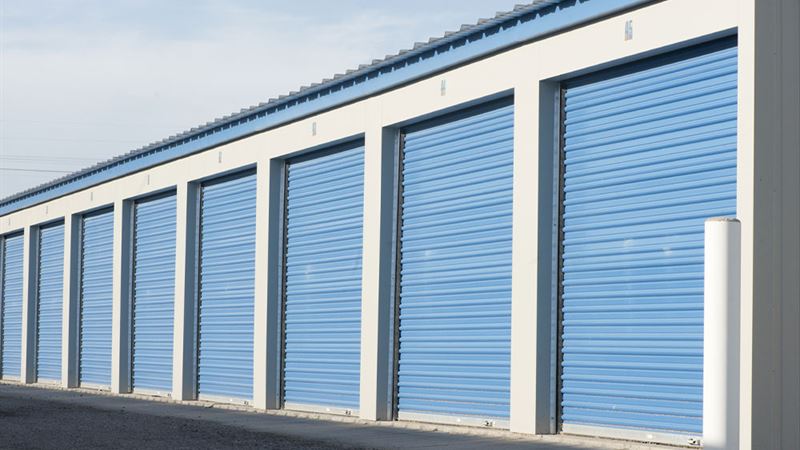
- Conduct Thorough Market Research
Securing an affordable yet reliable storage unit starts with diligent research. Begin by exploring online platforms and directories dedicated to storage facilities in your area. Visit multiple company websites to compare offerings, rates, and reviews. Avoid making hasty decisions based solely on the first option—by investigating various providers, you ensure you obtain the best value for your money. Take note of differences in unit sizes, features, and price points to determine what suits your needs without compromising quality or safety. Proper comparison saves you from unnecessary moves and extra costs in the future. - Location Considerations
Storage units situated in prime, metropolitan zones tend to have higher prices. If your priority is affordability, consider facilities located in suburban neighborhoods or on the outskirts of the city. These areas often offer more competitive rates without sacrificing convenience, especially if you don't require immediate, 24/7 access. Flexibility regarding the facility’s location can significantly reduce your expenses while still providing secure, accessible storage options. Analyzing proximity to your home or office helps balance cost efficiency with easy access.
Choosing the right unit size is crucial. Oversized units result in unnecessary expenses, while undersized ones may not accommodate all your belongings efficiently. Evaluate your stored items carefully—think about their dimensions and how they can be stacked or organized. Compact, well-planned storage saves money and makes retrieval easier. Standard sizes range from small lockers to large garage-like spaces. Selecting a size that matches your actual needs ensures affordability and minimizes wasted space.
Look for storage providers that offer adaptable lease arrangements. Flexible options like month-to-month, short-term, or seasonal leases provide greater control and can be more economical. Some facilities also provide auto-renewal options or discounts for longer contracts. Additionally, inquire about prorated billing, which ensures you only pay for the days you actually use the space. Flexibility in leasing terms allows you to adapt to changes in your storage needs, avoiding unnecessary long-term commitments and costs.
When appropriate, consider sharing a storage unit with friends, family, or colleagues. By splitting the rental expenses, you can afford a larger or better-quality unit while reducing individual costs. Shared arrangements also maximize space utilization and can be particularly cost-effective if multiple people have seasonal or short-term storage needs. Make sure to coordinate well to organize belongings efficiently within the shared unit and maintain good communication with your co-tenant.
Many storage providers run promotional offers to attract new customers, including discounted or free first-month rentals. Booking your unit online often unlocks additional savings, as digital reservations may come with exclusive deals. Always inquire about current promotions, and don’t hesitate to ask about discounts for long-term leases or specific groups such as students, seniors, or military personnel. Taking advantage of these offers can lead to significant savings over time.
Various facilities offer targeted discounts for specific groups, including members of the military, students, seniors, or residents of particular communities. These discounts are sometimes not advertised prominently, so it's worthwhile to directly ask the facility staff about available promotional rates or eligibility criteria. Recognizing and applying for these discounts can considerably lower your storage costs, especially if you qualify.
Some storage companies provide free extras such as transport trucks or moving carts, which can save considerable money on logistics. Before finalizing your decision, ask about such perks, as they can reduce your overall moving expenses. Other amenities like on-site security, climate control, or extended access hours might also add value to your rental. Prioritize facilities that offer convenient services that align with your specific needs.
The demand for storage units peaks during busy moving seasons like summer and year-end holidays. To secure lower rates, consider renting during less popular times, such as late fall or early spring. Committing to longer-term leases during off-peak periods or choosing holiday seasons can also lead to discounts. Planning ahead and being flexible with your move timeline may significantly decrease your storage expenses.
Before signing any agreement, thoroughly ask about additional charges. Many facilities impose administrative fees, late payment penalties, access or service fees, cleaning costs, or insurance premiums. Understand their policy regarding security deposits, which are typically refundable if the unit is returned in good condition. Being informed about these potential costs helps you budget effectively and prevents surprises when settling your bill.
Early reservations often come with lower rates. Planning your storage needs ahead of time ensures access to the best deals, particularly during peak seasons. Reserve your unit well before your intended move date to lock in discounted prices and guarantee availability. Advanced booking also allows you to compare prices across several providers, giving you leverage in negotiations.
Evaluate other arrangements such as outdoor parking for vehicles, boats, or RVs, or self-storage facilities without climate-controlled environments for non-sensitive items. These alternatives can be more affordable and suitable depending on your needs. If climate control or premium amenities are unnecessary for your stored belongings, opting for basic outdoor or uncovered storage can result in substantial savings.
Don’t be hesitant to negotiate rental rates, especially if you’re considering a long-term lease or if a facility has multiple available units. Managers may be willing to offer discounts or customize terms to close a deal. Building rapport with staff and demonstrating your preparedness can also enhance your bargaining position. Negotiating effectively can lead to favorable prices and additional perks.
Decluttering your possessions before renting storage can help you select a smaller, cheaper unit. Be disciplined about the items you genuinely need to store, and see if you can sell or donate unnecessary things. This process keeps your storage simple and affordable, making it easier to organize and access your belongings in the future.
Leverage your network—friends, family, colleagues, or community groups—for recommendations on reputable storage providers with affordable rates. Personal referrals can give you insider insights into the quality of service, cleanliness, security, and pricing, helping you make an informed choice based on trusted experiences.
Within your storage unit, utilize vertical stacking to optimize space. Using shelves or stacking items carefully allows you to rent a smaller unit, saving money. Be sure to follow safety guidelines to prevent toppling or damage. This efficient use of vertical space is particularly effective for boxes, furniture, and lightweight items.
Typical Storage Unit Costs
Storage rental prices vary depending on several factors. Small units can start as low as $10 per month, making them ideal for minimal needs. Larger, climate-controlled units tend to run around $190 monthly, with premium amenities raising the cost further. Regularly, prices are paid monthly, but many facilities also offer discounts for long-term commitments or during promotional periods.
Factors Influencing Storage Costs
Several key aspects impact the pricing of storage units:
- Location
Urban and high-demand zones generally entail higher prices than rural or suburban areas, reflecting the convenience and accessibility offered. - Unit Dimensions
Larger spaces naturally cost more. Typical sizes range from compact lockers to large garages, with prices scaling accordingly. - Climate Control Features
Units with temperature and humidity regulation are priced higher due to added comfort for sensitive possessions. - Facility Amenities
Enhanced security, extended access, surveillance systems, and management services contribute to higher costs, but improve safety and convenience. - Demand Fluctuations
During peak moving seasons or in sought-after locations, prices tend to increase. Availability may also affect rates. - Lease Duration
Longer leases often come with discounts, providing cost savings over frequent short-term rentals.
Always communicate directly with the storage provider for precise quotes and to explore potential discounts or custom arrangements. Thorough research and negotiation can dramatically reduce your overall storage expenses while ensuring secure and accessible storage space.