
Comprehensive Guide to Managing Peripheral Neuropathy in Your Feet
This comprehensive guide explores effective strategies for managing peripheral neuropathy in the feet, including causes, symptoms, diagnostic processes, conventional treatments, alternative therapies, and lifestyle modifications. Early intervention and personalized care are emphasized to improve patient outcomes and quality of life, covering medical and home remedies for symptom relief and nerve repair. Learn how to address this complex condition holistically for better health and mobility.
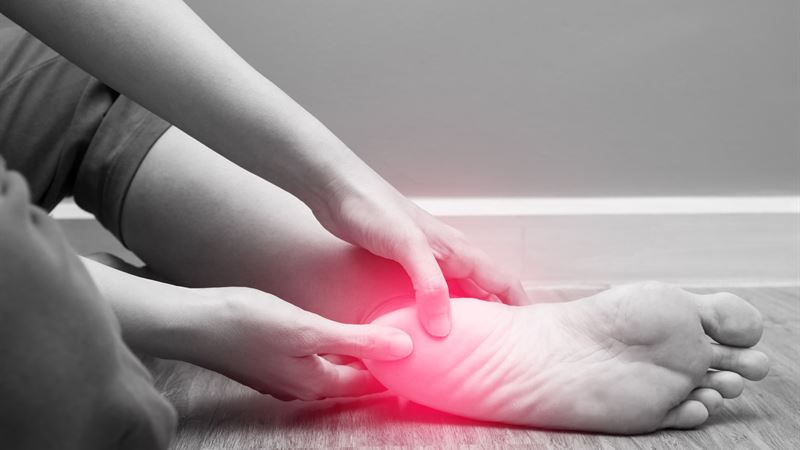
Peripheral neuropathy in the feet is a common neurological disorder that affects millions worldwide. Its root causes often involve a combination of medical conditions, lifestyle factors, and environmental influences. The challenge lies in diagnosing the condition accurately and developing an individualized treatment plan that targets both symptoms and underlying causes. Early intervention is key, as prolonged nerve damage can lead to irreversible problems, including loss of sensation and disability.
In this detailed guide, we delve into the many facets of peripheral neuropathy, including its causes, symptoms, diagnostic procedures, conventional and alternative treatments, and effective lifestyle modifications. Patients and caregivers will find valuable insights into managing this complex condition through a combination of medical interventions and supportive home strategies.
Understanding the underlying causes of peripheral neuropathy plays a vital role in effective management. Top contributors include diabetes mellitus, which is responsible for a significant proportion of neuropathy cases due to chronic high blood sugar levels damaging nerves over time. Metabolic syndromes, such as obesity and dyslipidemia, along with nutritional deficiencies—particularly of B-vitamins—can also precipitate nerve damage. Infections like Lyme disease, shingles, and HIV/AIDS are known to be causative, as are autoimmune conditions such as lupus and rheumatoid arthritis.
Neurotoxins and certain medications, notably chemotherapeutic agents and some antibiotics, have neurotoxic effects that may contribute to peripheral nerve impairment. Furthermore, traumatic injuries or repetitive stress injuries can physically damage nerves, leading to persistent symptoms. Less commonly, hereditary disorders such as Charcot-Marie-Tooth disease are responsible for inherited forms of neuropathy requiring specialized management.
The symptoms of peripheral neuropathy often develop gradually but can become debilitating if left untreated. Common manifestations include numbness, a prickling or burning sensation, weakness, muscle cramps, loss of coordination, and sensitivity to touch. In advanced cases, patients may experience difficulty with balance and mobility, increasing the risk of falls and injuries.
Precise diagnosis begins with a thorough medical history and physical examination to identify potential underlying causes. Diagnostic tests include nerve conduction studies, electromyography (EMG), blood tests to assess vitamin levels, blood sugar, and autoimmune markers. Sometimes, nerve biopsies or imaging studies are employed to pinpoint the exact location and extent of nerve damage.
Once diagnosed, treatment strategies focus on symptom relief and addressing the root causes. Pharmacological options include pain relievers, anticonvulsants, antidepressants, and topical agents. For instance, topical capsaicin creams can diminish pain signals, while medications like gabapentin and pregabalin are commonly prescribed for nerve pain.
In cases where nerve damage results from external compression, surgery may be necessary. Conditions like herniated discs, nerve entrapment syndromes, and tumors can be effectively treated through surgical intervention to prevent further deterioration.
Complementary therapies also play a critical role in managing peripheral neuropathy. These include physical therapy to maintain muscle strength and improve balance, occupational therapy for adaptive strategies, and the use of assistive devices to enhance mobility. In addition, various home remedies and lifestyle modifications can help reduce symptoms and improve overall nerve health.
Preventive measures and self-care are essential components of managing peripheral neuropathy. Incorporating dietary supplements—especially B-vitamins and vitamin D—can support nerve regeneration. Maintaining healthy blood sugar levels through diet and exercise is crucial for diabetic neuropathy prevention. Regular physical activity not only improves circulation but also stimulates neural repair and reduces inflammation.
Adding spicy foods such as cayenne pepper, which contains capsaicin, has been shown to reduce nerve pain by blocking pain signals. Topical capsaicin ointments are available over-the-counter and provide targeted pain relief, although initial application may cause a temporary burning sensation. Always use these products as directed and consult healthcare professionals for guidance.
Natural remedies, including essential oils like chamomile and Roman lavender, may alleviate discomfort and improve circulation when used properly. These oils can be diffused or diluted in carrier oils, such as coconut or olive oil, before topical application. Rubbing these diluted oils onto the feet and covering them with socks at night can promote relaxation, reduce inflammation, and support healing processes.
Warm baths are another effective strategy to enhance blood flow and ease neuropathic pain. Soaking in warm water can relax muscles and soothe nerve endings, offering temporary relief from numbness and tingling. However, caution is advised if sensory nerves are involved, as too hot water can cause burns or skin damage.
Alternative therapies like acupuncture have gained recognition for their potential to modulate nerve activity and promote healing. Stimulating specific pressure points can improve energy flow and reduce neuropathic symptoms. Similarly, practices like yoga and meditation can reduce stress hormone levels, thereby decreasing pain perception and enhancing overall well-being.
It is important to remember that alternative and home remedies should complement, not replace, conventional medical treatments. Always discuss these options with your healthcare provider to tailor a comprehensive management plan that accounts for individual health conditions and potential contraindications.
Long-term management of peripheral neuropathy requires continuous monitoring and lifestyle adjustments. Patients should prioritize tight control of diabetes if applicable, adopt a balanced diet rich in anti-inflammatory foods, and avoid toxins such as excessive alcohol and harmful chemicals. Wearing comfortable, supportive footwear helps prevent further nerve injury and reduces pain triggered by pressure or friction.
In conclusion, managing peripheral neuropathy in the feet involves an integrated approach that combines medical treatment, lifestyle changes, and supportive home remedies. Early diagnosis, personalized therapy, and ongoing care are critical to improving quality of life and preventing complications. By actively participating in their treatment plan, patients can regain control over their symptoms and enjoy a healthier, more comfortable life.