
Choosing the Perfect Freezer: Chest vs. Upright Models for Your Needs
Choosing the right freezer involves considering capacity, energy efficiency, size, and convenience. This detailed guide compares chest and upright freezers, helping households and businesses select the best option for their storage needs based on features, space, and cost. Learn which freezer matches your lifestyle and requirements for efficient, long-lasting food preservation.
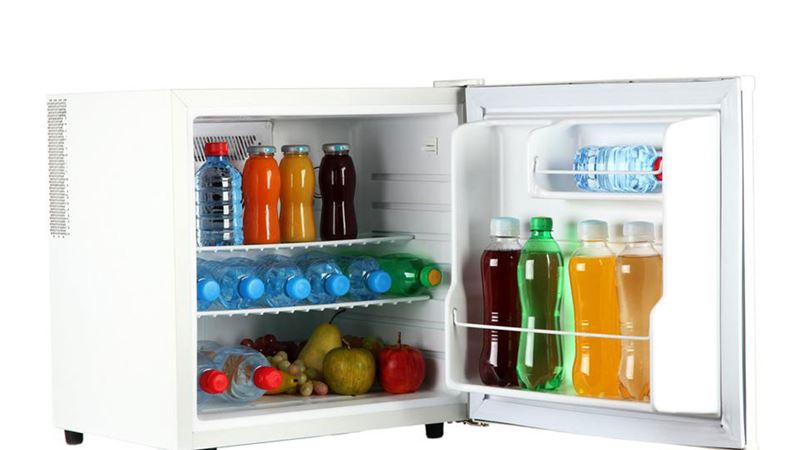
One of the primary differences between chest and upright freezers is their design and storage capacity. Chest freezers are typically more spacious for the same footprint, offering a large, open storage area that makes stacking and organizing bulk items straightforward. These models usually open from the top, resembling a large box, with a hinged lid that lifts upward.
In contrast, upright freezers stand vertically and resemble a tall refrigerator. They have multiple shelves and compartments, which facilitate compartmentalized storage. Though generally narrower, they tend to have a smaller overall capacity compared to chest freezers of similar size, mainly due to the internal shelving and door compartments that optimize organization.
When comparing costs, upright freezers often come with a higher price tag initially. Their advanced organization features, interior shelves, and easier accessibility contribute to this cost difference. Chest freezers tend to be more budget-friendly upfront, making them an attractive choice for those looking for a large storage solution without extensive features.
Additionally, the long-term operating costs also matter. Since chest freezers typically consume less energy due to better insulation and less frequent door opening, they can be more economical over time. However, the initial investment and features should your budget be a primary concern.
Energy consumption is a vital factor. Chest freezers are generally more energy-efficient because their design minimizes cold air loss—cold air stays trapped inside when the lid is opened. These models often have thick insulation, which helps maintain temperatures for longer periods even during power outages. They usually require manual defrosting, which can take several hours but is manageable for most users.
Upright freezers, with their door designs, tend to lose more cold air when opened, which can lead to higher energy consumption. Many modern upright models feature automatic defrosting systems, providing convenience but sometimes at a slight energy cost. When choosing a freezer, consider the energy ratings and defrosting needs to balance convenience and operational costs.
Ease of access and organization are crucial for many consumers. Upright freezers excel in this area, offering multiple shelves, baskets, and door compartments that allow users to organize items by type, size, or frequency of use. This setup makes retrieving specific items quick and straightforward, especially beneficial for busy households or commercial settings.
Chest freezers, despite their large capacity, may present challenges in organizing and accessing items at the bottom. Users often need to dig through the contents, which can be inconvenient. However, their simple design makes them ideal for storing large quantities of bulk items or items that don't require frequent access.
Flexibility in storage is another differentiating factor. Chest freezers can store items of various shapes and sizes without concern for internal shelving. They are particularly suitable for bulky, irregularly shaped, or large items like frozen meats, bulk purchases, or large containers.
Upright freezers, with their adjustable shelves and compartments, are perfect for organized storage of smaller items, pre-packaged meals, or multiple food categories. They optimize space utilization vertically, making them suitable for households with limited floor space.
Space requirements are vital when planning a new freezer installation. Chest freezers are wider and require more floor space to accommodate their broad structure. You must ensure the chosen location has enough clearance for the lid to open fully and easy access.
Upright freezers, being taller and narrower, take up less floor space but need clearance for door swing. Consider ceiling height and available space in your kitchen or storage area to select the appropriate model. Also, think about the electrical outlet placement and ventilation requirements for optimal operation.
Deciding between a chest and an upright freezer depends on your specific requirements, budget, and available space. If you prioritize maximum storage capacity, lower operating costs, and don’t mind a less organized system, a chest freezer is an excellent option. It’s especially suitable for bulk storage or outdoor use.
Conversely, if convenience, organization, and quick access are more important, and you have limited space, an upright freezer might be the better fit. Although they may be more expensive initially, their ease of use can save you time and effort, particularly in commercial or busy household settings.
In summary, weigh the key factors: capacity, budget, energy efficiency, organization, and space. By considering these aspects carefully, you can select the freezer that perfectly complements your lifestyle and storage needs, ensuring freshness, convenience, and efficiency in your food preservation system.