
Comprehensive Guide to Recognizing and Managing Skin Rashes
This detailed guide offers insights into identifying and managing various skin rashes. It covers causes, symptoms, treatment options, and when to seek medical help. Proper hygiene, prompt care, and early diagnosis are emphasized for effective skin health maintenance and rash prevention.
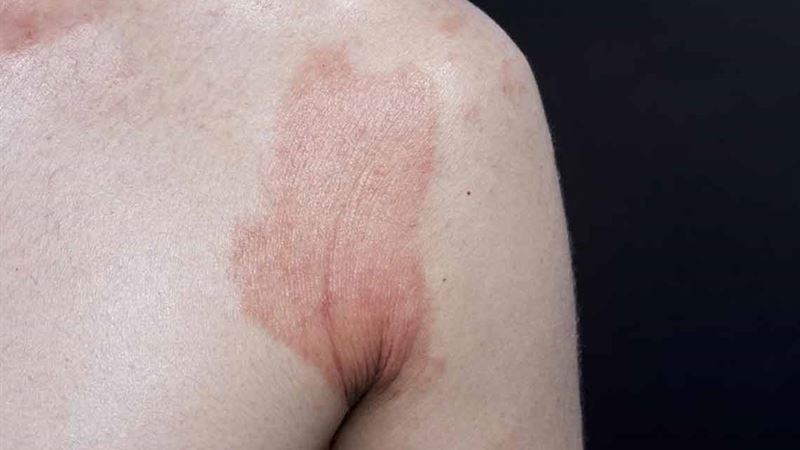
Common Types of Skin Rashes and How to Recognize Them
1. Contact Dermatitis
This type of rash results from contact with an irritant or allergen. It typically manifests as red, swollen, and itchy skin, often accompanied by a burning sensation. The affected area may develop blisters or become raw if scratched excessively. Contact dermatitis occurs after exposure to certain chemicals, soaps, cosmetics, plants like poison ivy, or metals like nickel. Usually, the rash appears within hours or a few days of contact. Immediate washing of the area with mild soap and water can reduce irritation. Applying cool compresses or over-the-counter corticosteroid creams can alleviate symptoms. Persistent or severe cases require consultation with a dermatologist for further evaluation and treatment.
2. Insect Bites and Stings
Insect bites are among the most common skin concerns, characterized by raised bumps, redness, and sometimes swelling or pain around the bite site. Common culprits include mosquitoes, ants, bed bugs, and fleas. Mosquito bites typically cause itchy, red bumps that swell and can become inflamed. In contrast, bites from spiders, TseTse flies, or fire ants may lead to more painful or even blistering reactions. In certain cases, insect bites can lead to allergic reactions or infections, especially if scratched excessively. Severe reactions or bites from venomous insects necessitate prompt medical attention. In some instances, antihistamines or corticosteroids are prescribed to control allergic responses, and antibiotics might be needed if an infection develops.
3. Fungal Infections
Fungal skin infections are prevalent and often appear as itchy, peeling rashes that can spread or recur if untreated. Common forms include athlete's foot, ringworm, candidiasis, and fungal nail infections. These infections thrive in warm, moist environments and are often transmitted through direct contact or contaminated surfaces. Symptoms include redness, cracking, peeling, swelling, and sometimes a foul odor. Proper hygiene, keeping the skin dry, and using antifungal medications are essential for treatment. Over-the-counter antifungal creams or powders are effective in mild cases, but severe or persistent infections require medical evaluation and prescription medications to eradicate the fungi completely.
4. Scabies
Scabies is a contagious skin condition caused by the mite Sarcoptes scabiei. It presents as an intensely itchy rash, with small red bumps or blisters usually located on the wrists, elbows, armpits, waist, and between fingers. The mite lays eggs under the skin, causing a delayed onset of symptoms, often appearing weeks after infestation. Scratching can lead to sores and secondary bacterial infections. Early diagnosis and treatment with prescribed topical or oral medications are crucial to control the spread. All close contacts should be treated simultaneously to prevent reinfestation. Maintaining good hygiene and washing bedding and clothing thoroughly help eliminate the mites and prevent recurrence.
5. Hay Fever and Allergic Rhinitis
Hay fever, also known as allergic rhinitis, often causes a widespread itchy, red, and bumpy rash—commonly called hives or urticaria. The rash appears suddenly due to allergic reactions, especially from pollen, dust mites, or pet dander. The skin may swell, become tender, and itch intensely. Along with skin symptoms, hay fever is associated with sneezing, nasal congestion, watery eyes, and itchy throat. Anti-allergy medications, antihistamines, and avoiding known allergens are effective in managing the symptoms. Identifying and reducing exposure to triggers can significantly diminish the severity and frequency of outbreaks.
6. Measles
Measles is a highly contagious viral infection characterized by a distinctive rash, which begins as tiny red spots on the face and spreads rapidly across the entire body. The rash is often accompanied by flu-like symptoms such as fever, cough, runny nose, sore throat, and sore, red eyes. White spots may appear inside the mouth (Koplik spots), and the skin rash turns itchy and inflamed. Due to widespread vaccination efforts, measles cases have significantly declined, but outbreaks can still occur, especially in unvaccinated populations. Immediate medical attention is necessary if measles is suspected to prevent complications such as pneumonia, encephalitis, or deafness.
7. Cutaneous Candidiasis
The Candida fungus naturally resides in the body but can overgrow under certain conditions, leading to a skin rash called candidiasis. This rash commonly appears in warm, moist areas such as the armpits, groin, under breasts, or between fingers. Symptoms include redness, itching, cracking, and sometimes a white or yellowish coating. Overweight individuals, those with poor hygiene, or people wearing tight clothing are more susceptible. Managing candidiasis involves improving hygiene, wearing loose, breathable clothing, and using antifungal medications prescribed by a healthcare provider. Addressing underlying causes like obesity or infections can significantly reduce recurrence.
8. Eczema
Eczema (atopic dermatitis) is a chronic skin condition characterized by dry, flaky, and inflamed skin. It commonly affects the insides of elbows, behind the knees, and around the neck and face. Patients often experience severe itching, which can lead to scratching, skin cracking, and secondary infections. Eczema can be triggered by allergens, irritants, stress, or environmental factors. Long-term management includes moisturizing frequently, avoiding irritants, and taking prescribed anti-inflammatory medications to control flare-ups. For severe cases, immunomodulating therapies may be recommended to reduce inflammation and improve skin barrier function.
9. Shingles
Shingles is a viral infection caused by the reactivation of the varicella-zoster virus, which also causes chickenpox. It presents as a painful, burning rash with blisters, often appearing on one side of the body, typically on the face, neck, or torso. The rash is usually preceded by nerve pain or tingling. Affected skin becomes red and blistered, and the condition can be quite distressing. Early treatment with antiviral medications can lessen the severity and duration of symptoms. Post-herpetic neuralgia (persistent nerve pain) can follow shingles, requiring additional management. Vaccination and prompt medical attention are key to prevention and control.