
Comprehensive Guide to Recognizing and Managing Skin Rashes
This comprehensive article explores the causes, identification, and management of skin rashes, providing valuable insights into allergies, medication reactions, cosmetic sensitivities, and home remedies. It emphasizes early diagnosis, proper skin care, and when to seek medical help for effective treatment and relief from discomfort.
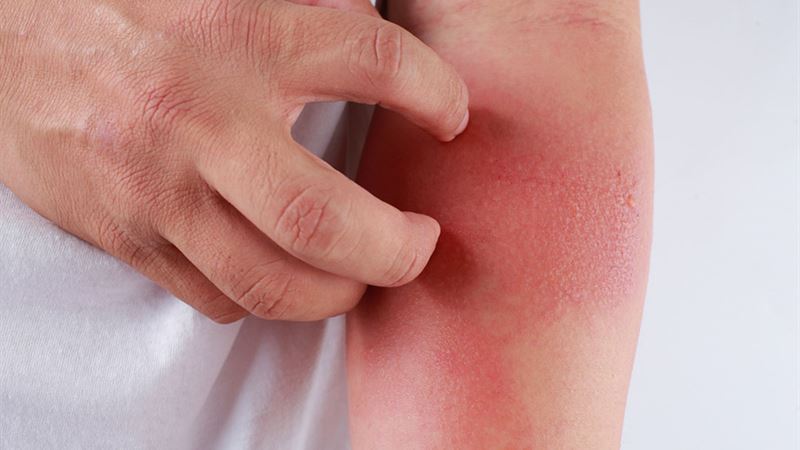
Skin rashes can be incredibly distressing and may result from a variety of causes, ranging from allergies to medication reactions, cosmetic sensitivities, or underlying health conditions. Understanding how to identify different types of skin rashes, their symptoms, and appropriate treatment options is crucial for effective management and relief. This extensive guide delves into the common origins of skin rashes, how to distinguish among them, and practical strategies to alleviate discomfort while knowing when to seek professional medical help.
Common Causes of Skin Rashes
Skin rashes occur due to the skin's reaction to various internal or external stimuli. The primary factors include:
- Allergic reactions: Exposure to allergens such as pollen, pet dander, or certain foods can trigger rashes.
- Medications: Some drugs can cause adverse skin reactions, ranging from mild irritation to severe dermatitis.
- Cosmetic and skincare products: Ingredients in shampoos, lotions, perfumes, and makeup items may provoke allergic responses.
- Underlying health conditions: Diseases like eczema, psoriasis, or infections can manifest as skin rashes.
Understanding Allergic Contact Dermatitis
Allergic contact dermatitis is a common skin response that occurs when the skin comes into contact with an allergen. The key to managing this type of rash lies in identifying and avoiding the offending substances. Allergens can include metals like nickel, fragrances, preservatives, or certain plants. Usually, this reaction involves redness, itching, swelling, and sometimes blisters or hives. To confirm allergies, skin patch testing by a healthcare professional is recommended.
In areas affected by allergic dermatitis, it's important to maintain good skin hygiene. Gently wash the area with warm water and mild soap, avoiding harsh scrubs or irritants. The rash can often be soothed with over-the-counter hydrocortisone creams, which help reduce inflammation and itching. Cold compresses applied to blistered or swollen skin can offer additional relief. Avoid scratching, as it might cause secondary infections or worsen irritation.
Identifying and Managing Drug-Induced Rashes
Drug rashes arise as a reaction to medications and can range from mild to severe. They may appear quickly after starting a new medication or develop gradually over weeks. Recognizing drug rashes involves observing the pattern and location of the skin reaction and correlating it with recent medication use.
Types of drug rashes include:
- Patches of pimples and redness: Often resembling acne, these typically appear on the face, chest, or shoulders and may be linked to drugs like corticosteroids or iodides.
- Hives or urticaria: Raised, itchy bumps caused by reactions to antibiotics like penicillin or certain dyes.
- Purpuric rashes: Purple discolorations usually on the legs, resulting from reactions to anticoagulants or diuretics.
If a drug rash is suspected, consult your healthcare provider promptly. They might recommend discontinuing the medication or switching to an alternative. Symptomatic relief can include antihistamines or topical steroids, but medical supervision is vital to prevent complications.
Cosmetic Sensitivity and Skin Allergies
The use of makeup, hair dyes, perfumes, and skincare products can trigger allergic reactions or irritant contact dermatitis. Typical symptoms include dryness, itching, redness, and hives. Identifying problematic ingredients is crucial—certain chemicals or preservatives are more likely to cause sensitivity.
To minimize risk:
- Choose products with minimal ingredients, avoiding ones with complex formulations.
- Perform patch tests before full application—dab a small amount on your skin and observe for reactions over 48 to 72 hours.
- Spray perfumes onto clothes rather than directly on the skin to prevent reactions.
Common cosmetic-related reactions include:
- Contact urticaria: Quick onset of itching, burning, redness, and swelling at the application site.
- Anaphylactic reactions: More severe responses involving difficulty breathing, swelling, nausea, and vomiting, requiring immediate medical attention.
- Photocontact dermatitis: Rashes triggered when certain ingredients react under sunlight. Avoid agents known to cause photosensitivity.
Home Remedies and Preventive Care
For mild skin rashes, several simple home remedies can provide relief:
- Use warm, not hot, water when bathing to prevent further irritation.
- Opt for gentle, unscented soaps with minimal ingredients.
- Pat the rash dry with a soft towel; avoid rubbing to prevent aggravating the skin.
- Let the affected area air out—covering may trap moisture and worsen the rash.
- Resist the urge to scratch, as it can lead to infection.
- If you recently introduced new cosmetics or skincare products, stop using them immediately.
- Apply a fragrance-free, mild moisturizer to soothe and hydrate irritated skin.
- Include dandruff shampoos in your routine if scalp irritation is present, as dandruff can sometimes worsen rashes.
Persistent or worsening symptoms should prompt a visit to a healthcare professional. Early diagnosis and appropriate treatment are essential for resolving skin rashes effectively.
When to Seek Medical Advice
If your skin rash is accompanied by severe symptoms such as swelling of the face or throat, difficulty breathing, high fever, or if the rash spreads rapidly across the body, seek emergency medical care immediately. Chronic or recurrent rashes should also be evaluated by a dermatologist or healthcare provider to determine underlying causes and receive tailored treatment plans.
In conclusion, understanding the various types of skin rashes, their triggers, and appropriate self-care measures can significantly improve comfort and health outcomes. Always consult a healthcare professional for persistent or severe symptoms, and proactively avoid known irritants and allergens to maintain healthy, rash-free skin.