
Effective Strategies to Combat Mold Allergies and Protect Your Health
Learn comprehensive strategies to combat mold allergies effectively. From managing indoor humidity to proper cleaning and prompt water damage response, discover expert tips to create a healthier living space free of mold spores. Protect your health with simple yet powerful precautions that reduce mold exposure and improve air quality. Whether indoors or outdoors, understanding mold growth habits and taking proactive measures can significantly alleviate allergy symptoms and prevent mold-related health issues, ensuring a cleaner, safer home environment for you and your loved ones.
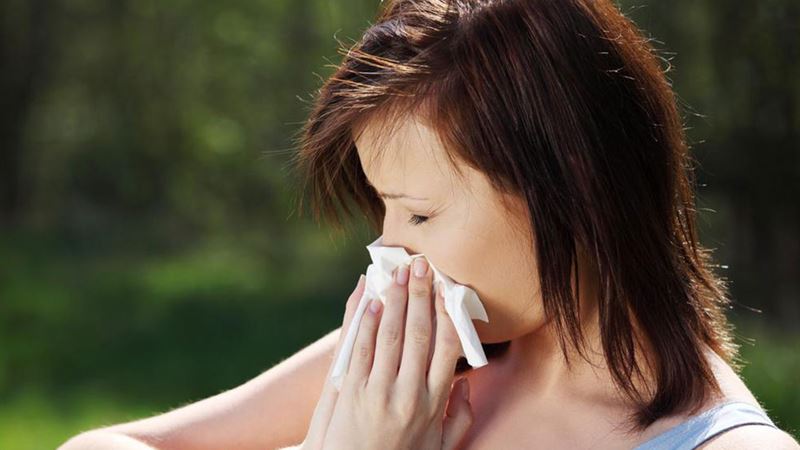
Identifying and Avoiding High-Risk Areas Mold tends to flourish in damp, shaded, and poorly ventilated areas. Piles of decaying leaves, compost heaps, swampy terrain, and overgrown garden beds are prime spots for mold growth. If your outdoor work requires you to interact with these environments, always wear a sturdy dust mask and protective clothing. After such activities, shower thoroughly to wash away mold spores from your hair, skin, and clothing. Indoors, avoid spaces with lingering moisture or visible mold growth. Regularly inspect basements, attics, laundry rooms, and areas beneath sinks for signs of mold development.
Controlling Indoor Moisture Levels Mold thrives in environments with high humidity. The goal should be to keep indoor humidity below 60%, ideally around 35-50%, to inhibit mold proliferation. Investing in dehumidifiers and air conditioners can help regulate moisture levels efficiently. Use a hygrometer—a simple and affordable device—to monitor humidity levels within your home. Proper ventilation is crucial; ensure that bathrooms, kitchens, and laundry areas are well-ventilated with exhaust fans. Installing these fans and using them consistently reduces excess moisture and prevents mold from taking hold.
Maintaining Cleanliness in Damp Areas Bathrooms and kitchens are particularly susceptible to mold growth due to frequent exposure to water. Regular cleaning with mold-inhibiting solutions, such as bleach or commercial mold cleaners, can prevent the formation of mold colonies. Keep surfaces dry and free of soap scum, grease, and soap residue, which serve as nutrient sources for mold. Use exhaust fans or open windows during and after bathing or cooking to decrease humidity. Check seals around windows and doors periodically and repair any leaks promptly to avoid water infiltration and mold development. Dispose of garbage bags regularly and clean trash receptacles to prevent mold spores from accumulating.
Enhancing Indoor Air Quality Air filtration is one of the most effective methods to remove mold spores from indoor air. If your heating, ventilation, and air conditioning (HVAC) system includes HEPA filters, make sure to replace or clean them regularly. High-efficiency filters can trap even microscopic mold spores, significantly improving air quality. Clean your AC drip pans, drain lines, and vents routinely to prevent mold buildup. Dryer vents should also be inspected and cleaned periodically to prevent mold and dust accumulation. Consider using portable air purifiers equipped with HEPA filters in bedrooms and living areas for additional protection against airborne mold spores.
Taking Prompt Action Against Mold Growth Immediate response is critical when dealing with mold. If you notice damp carpets, rugs, or furniture, dry or replace items as soon as possible. Excess water from leaks, floods, or spills can promote rapid mold growth; therefore, address plumbing issues swiftly by calling a professional plumber for repairs. Regularly inspect gutters and downspouts, especially after heavy rains, and clear any blockages to ensure efficient drainage. Fix roof leaks or plumbing drips without delay to prevent water accumulation in walls or ceilings. Keeping your environment dry and well-maintained is fundamental to controlling mold and preventing allergic reactions.