
Comprehensive Guide to Selecting the Perfect Plasma Television for Your Home
Discover comprehensive tips on choosing the ideal plasma TV that fits your space and entertainment needs. Learn about screen size, resolution, mounting options, and the latest features in this detailed guide to enhance your viewing experience and make an informed purchase. Perfect for home theater enthusiasts and tech-savvy consumers alike, this guide covers all essential aspects of selecting a high-quality plasma television, ensuring you find the best model tailored to your preferences and room layout for years of entertainment enjoyment.
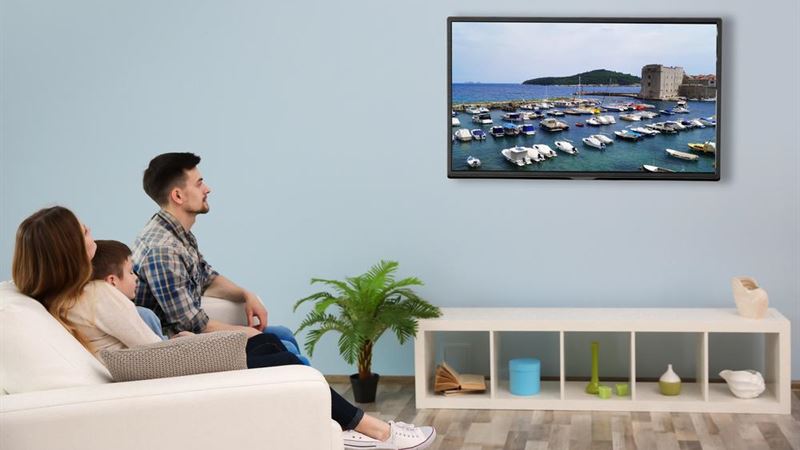
Choosing the ideal plasma TV requires careful consideration of multiple factors to ensure you get the best viewing experience that matches your space and needs. With the rapid growth of plasma television sales, understanding the key features and specifications becomes essential. This detailed guide will walk you through the critical aspects to evaluate—such as screen size, room compatibility, resolution quality, installation options, and technological features—so that you can make an informed purchasing decision that offers both value and satisfaction.
Determining the Appropriate Screen Size: When selecting a plasma TV, one of the first factors to consider is the screen size. Plasma TVs are available in a broad range from 32 inches up to 63 inches. The most common sizes found in the market include 42-inch, 50-inch, and 62-inch models. Smaller screens, typically below 37 inches, often employ LCD panel technology, whereas larger models exceeding 63 inches might utilize rear projection technology due to manufacturing and cost considerations.
To choose the right size, you should evaluate the space where the TV will be placed and the typical viewing distance. Larger screens create a more immersive experience but require sufficient space to prevent distortion or discomfort. For example, if your seating is approximately 6 to 10 feet away from the screen, a plasma TV in the 32-37 inch range will deliver optimal viewing clarity. Conversely, a 42-inch or larger plasma TV is ideal for larger rooms where viewers are seated 10 to 14 feet away. In essence, the larger the display, the more space needed to enjoy high-quality visuals without strain, making it an essential factor in your selection process.
Assessing Room Size and Viewing Environment: The size and layout of your room play a vital role in determining the suitable plasma TV size. A small living room or bedroom might be better complemented with a 32 or 37-inch plasma television, while a spacious living room or home theater setup can support 50 inches or more.
When planning your setup, also consider the placement of the TV relative to natural light sources, furniture arrangement, and viewing angles. Mounting your plasma TV on a wall can optimize space utilization and create a sleek aesthetic, but it requires careful measurement to ensure optimal height and viewing comfort.
Proper spacing ensures that viewers experience a natural, cinematic effect, and minimizes eye strain. Especially with larger screens, positioning the TV at eye level or slightly below ensures an engaging experience. Additionally, taking into account the distance between the seats and the screen will help you decide whether a standard or larger plasma model is appropriate. If the viewing space is limited, a smaller model may be preferable to avoid visual fatigue and to maintain a balanced ambiance.
Choosing the Right Resolution: Resolution quality significantly impacts the viewing experience, making it a critical aspect in your decision-making process. Plasma TVs come with varying resolution levels, and understanding these differences helps in selecting a model that meets your entertainment needs. High-definition (HD) plasma screens generally deliver superior picture clarity but tend to be more expensive due to the advanced manufacturing components involved.
Typically, plasma TVs are categorized based on their pixel counts. Standard EDTV (Enhanced Definition TV) models offer resolutions like 853 x 480 pixels and are generally found in screens between 37 and 46 inches. These models perform adequately with standard video signals such as DVDs or basic cable. For larger screens between 50 and 63 inches, resolutions often upgrade to 1024 x 768 pixels, offering clearer images.
For an HD-ready plasma TV, the second number in the pixel ratio should surpass 720, which is a standard benchmark for HD. Many plasma models are marketed as 'HDTV compatible' or 'HDTV ready,' indicating their capability to receive high-definition signals. However, it's crucial to note that this does not necessarily mean they come equipped with integrated HD tuners; some models may require external tuners for full HD reception.
Investing in a high-resolution plasma TV ensures superior picture quality, especially for high-definition broadcasts, streaming services, and gaming. However, consider your typical usage and content source. If your primary content comes from SD sources like DVDs, an EDTV might suffice. Conversely, for future-proofing and the best experience with HD content, a full HD or higher-resolution plasma TV is recommended.
Installation and Mounting Options: Besides selecting size and resolution, the way your plasma TV will be mounted or installed is another crucial consideration. Modern plasma televisions offer a variety of mounting options, each suitable for different room configurations and aesthetic preferences.
The most common and affordable method is a flat wall mount, which provides a sleek and minimalist appearance. It allows the TV to sit flush against the wall, saving space and creating a modern look. For rooms with higher or irregular wall surfaces, adjustable mounting brackets such as articulating mounts or tilting mounts are ideal. These flexible options enable you to alter the viewing angle, especially when mounting the TV above eye level or over a fireplace.
Wall mounting not only enhances room aesthetics but also improves safety and reduces clutter. When selecting a mount, consider the weight capacity and compatibility with your plasma TV model to ensure secure installation. Additionally, plan cable management in advance to avoid unsightly wires, and ensure the mount aligns with your entertainment system components.
Besides wall mounts, some prefer placing the plasma TV on a stand or cabinet, especially if they wish to hide wiring or accommodate additional devices such as soundbars or gaming consoles. In any case, ensure the furniture or stand is sturdy and proportionate to the size of the TV.
Emerging Trends and Additional Features: The demand for plasma TVs continues to grow, driven by technological advancements and consumer preferences. Modern models incorporate features such as enhanced connectivity options, smart TV capabilities, additional ports for gaming consoles, and compatibility with multimedia devices.
Features like HDMI, USB ports, Wi-Fi connectivity, and smart apps allow seamless integration with streaming services, social media, and other digital platforms. Some plasma TVs also offer advanced picture enhancement technologies, such as motion smoothing and contrast optimization, to deliver crisp, vivid images.
As the market evolves, manufacturers focus on energy efficiency, slimmer profiles, and improved durability. When shopping, also consider the after-sales services, warranty coverage, and customer support to ensure a satisfying ownership experience.
In conclusion, selecting the perfect plasma television involves careful evaluation of size, resolution, installation options, and technological features. By understanding your space, content preferences, and budget, you can find a plasma TV that elevates your home entertainment to new heights. Stay informed about the latest trends and innovations, and choose a model that offers a balance of performance, style, and value. Plasma TVs remain a compelling choice for enthusiasts seeking stunning picture quality and versatile installation options, promising years of immersive viewing pleasure.
Determining the Appropriate Screen Size: When selecting a plasma TV, one of the first factors to consider is the screen size. Plasma TVs are available in a broad range from 32 inches up to 63 inches. The most common sizes found in the market include 42-inch, 50-inch, and 62-inch models. Smaller screens, typically below 37 inches, often employ LCD panel technology, whereas larger models exceeding 63 inches might utilize rear projection technology due to manufacturing and cost considerations.
To choose the right size, you should evaluate the space where the TV will be placed and the typical viewing distance. Larger screens create a more immersive experience but require sufficient space to prevent distortion or discomfort. For example, if your seating is approximately 6 to 10 feet away from the screen, a plasma TV in the 32-37 inch range will deliver optimal viewing clarity. Conversely, a 42-inch or larger plasma TV is ideal for larger rooms where viewers are seated 10 to 14 feet away. In essence, the larger the display, the more space needed to enjoy high-quality visuals without strain, making it an essential factor in your selection process.
Assessing Room Size and Viewing Environment: The size and layout of your room play a vital role in determining the suitable plasma TV size. A small living room or bedroom might be better complemented with a 32 or 37-inch plasma television, while a spacious living room or home theater setup can support 50 inches or more.
When planning your setup, also consider the placement of the TV relative to natural light sources, furniture arrangement, and viewing angles. Mounting your plasma TV on a wall can optimize space utilization and create a sleek aesthetic, but it requires careful measurement to ensure optimal height and viewing comfort.
Proper spacing ensures that viewers experience a natural, cinematic effect, and minimizes eye strain. Especially with larger screens, positioning the TV at eye level or slightly below ensures an engaging experience. Additionally, taking into account the distance between the seats and the screen will help you decide whether a standard or larger plasma model is appropriate. If the viewing space is limited, a smaller model may be preferable to avoid visual fatigue and to maintain a balanced ambiance.
Choosing the Right Resolution: Resolution quality significantly impacts the viewing experience, making it a critical aspect in your decision-making process. Plasma TVs come with varying resolution levels, and understanding these differences helps in selecting a model that meets your entertainment needs. High-definition (HD) plasma screens generally deliver superior picture clarity but tend to be more expensive due to the advanced manufacturing components involved.
Typically, plasma TVs are categorized based on their pixel counts. Standard EDTV (Enhanced Definition TV) models offer resolutions like 853 x 480 pixels and are generally found in screens between 37 and 46 inches. These models perform adequately with standard video signals such as DVDs or basic cable. For larger screens between 50 and 63 inches, resolutions often upgrade to 1024 x 768 pixels, offering clearer images.
For an HD-ready plasma TV, the second number in the pixel ratio should surpass 720, which is a standard benchmark for HD. Many plasma models are marketed as 'HDTV compatible' or 'HDTV ready,' indicating their capability to receive high-definition signals. However, it's crucial to note that this does not necessarily mean they come equipped with integrated HD tuners; some models may require external tuners for full HD reception.
Investing in a high-resolution plasma TV ensures superior picture quality, especially for high-definition broadcasts, streaming services, and gaming. However, consider your typical usage and content source. If your primary content comes from SD sources like DVDs, an EDTV might suffice. Conversely, for future-proofing and the best experience with HD content, a full HD or higher-resolution plasma TV is recommended.
Installation and Mounting Options: Besides selecting size and resolution, the way your plasma TV will be mounted or installed is another crucial consideration. Modern plasma televisions offer a variety of mounting options, each suitable for different room configurations and aesthetic preferences.
The most common and affordable method is a flat wall mount, which provides a sleek and minimalist appearance. It allows the TV to sit flush against the wall, saving space and creating a modern look. For rooms with higher or irregular wall surfaces, adjustable mounting brackets such as articulating mounts or tilting mounts are ideal. These flexible options enable you to alter the viewing angle, especially when mounting the TV above eye level or over a fireplace.
Wall mounting not only enhances room aesthetics but also improves safety and reduces clutter. When selecting a mount, consider the weight capacity and compatibility with your plasma TV model to ensure secure installation. Additionally, plan cable management in advance to avoid unsightly wires, and ensure the mount aligns with your entertainment system components.
Besides wall mounts, some prefer placing the plasma TV on a stand or cabinet, especially if they wish to hide wiring or accommodate additional devices such as soundbars or gaming consoles. In any case, ensure the furniture or stand is sturdy and proportionate to the size of the TV.
Emerging Trends and Additional Features: The demand for plasma TVs continues to grow, driven by technological advancements and consumer preferences. Modern models incorporate features such as enhanced connectivity options, smart TV capabilities, additional ports for gaming consoles, and compatibility with multimedia devices.
Features like HDMI, USB ports, Wi-Fi connectivity, and smart apps allow seamless integration with streaming services, social media, and other digital platforms. Some plasma TVs also offer advanced picture enhancement technologies, such as motion smoothing and contrast optimization, to deliver crisp, vivid images.
As the market evolves, manufacturers focus on energy efficiency, slimmer profiles, and improved durability. When shopping, also consider the after-sales services, warranty coverage, and customer support to ensure a satisfying ownership experience.
In conclusion, selecting the perfect plasma television involves careful evaluation of size, resolution, installation options, and technological features. By understanding your space, content preferences, and budget, you can find a plasma TV that elevates your home entertainment to new heights. Stay informed about the latest trends and innovations, and choose a model that offers a balance of performance, style, and value. Plasma TVs remain a compelling choice for enthusiasts seeking stunning picture quality and versatile installation options, promising years of immersive viewing pleasure.