
Comprehensive Guide to Measuring Your Living Room for the Perfect TV Installation
Learn how to properly measure your living room for a flawless TV installation. This guide covers space measurement, ideal TV size, aspect ratio considerations, viewing distance, mounting height, and tips for a perfect setup. Ensure your new TV fits seamlessly and enhances your entertainment experience with expert advice on planning and measurement. Discover practical tips to optimize placement, avoid common mistakes, and create an aesthetically pleasing TV setup in your living room.
Accurately measuring your living space is essential for a seamless and aesthetically pleasing TV setup. To ensure your new television fits perfectly and complements your room's decor, follow this detailed guide on how to measure your living room for TV installation.
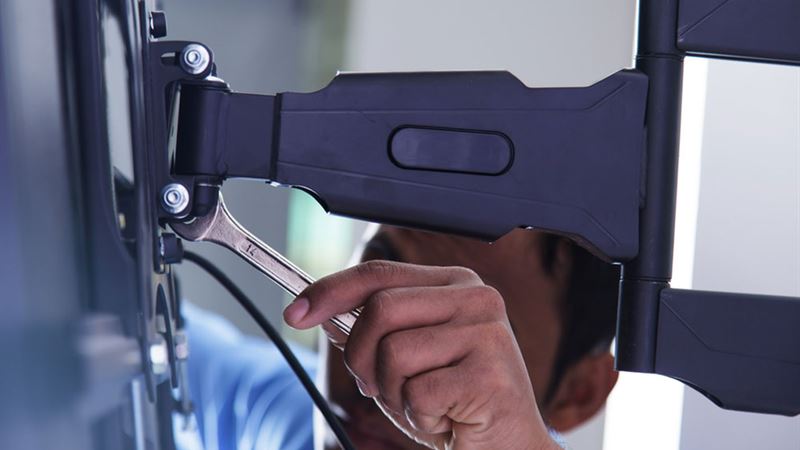
Step 1: Taking Precise Measurements of Your Living Space
Start by carefully measuring the area designated for your TV. Use a reliable tape measure, and note down the length, width, and height of the space. It's important to measure from wall to wall where you plan to position the TV, considering any furniture or obstacles that might affect placement.
When measuring the width, measure from one edge of the space to the opposite edge, including any moldings or built-in features that could interfere with the fit. For height, assess how much space is available from the floor to the ceiling or any other limiting factor. Also, take note of doorways, windows, and other fixtures that might impact the TV's placement.
To get a more accurate measurement of the diagonally measured space, stretch your tape from one corner where the screen will be mounted to the opposite corner, ensuring you account for the entire viewing area. Avoid only measuring the bezel or frame size, as these are not indicative of the device's overall footprint.
Step 2: Decide on the Appropriate TV Size Based on Your Space
Understanding the overall size of your TV is crucial. Manufacturers specify sizes based on the diagonal length of the screen. For example, a 55-inch TV has a diagonal of 55 inches, but its width and height depend on the aspect ratio. Ensure that the TV you choose fits comfortably within the space you've measured, leaving some room for ventilation and aesthetic balance.
If you're considering replacing an existing unit, measure the current TV's dimensions including the frame or bezel. For example, a 40-inch TV typically measures about 35.6 inches wide and 20 inches tall, whereas a larger 55-inch TV might be approximately 48 inches wide and 28 inches tall. Keep these figures in mind to prevent fitting issues.
Step 3: Consider the Aspect Ratio for Better Viewing Experience
Most modern TVs feature a 16:9 aspect ratio, which is ideal for wide-screen viewing. However, earlier models used a 4:3 ratio. To accurately compare or upgrade your TV, you should consider how aspect ratio affects the screen's footprint.
If you're transitioning from a 4:3 model, multiply the diagonal size by 1.22 to estimate the width of a comparable 16:9 screen. For instance, a 40-inch 4:3 TV would equate to approximately a 48.8-inch widescreen model in terms of width. This calculation helps determine whether the new TV will fit your space and meet your viewing preferences.
Step 4: Calculate Optimal Viewing Distance
The distance between your seating area and the TV should be proportionate to the screen size to ensure comfortable viewing without straining your eyes. For a 40-inch screen, a recommended viewing distance is roughly 5 to 8 feet. For larger screens, like a 55-inch or 65-inch TV, the ideal distance increases accordingly.
Typically, industry standards suggest that the viewing distance should be approximately 1.5 to 2.5 times the diagonal size of your TV. For example, for a 55-inch TV, the optimal distance would range from about 7 to 11.5 feet. Measuring this accurately will help you select furniture placement that enhances your entertainment experience.
Step 5: Plan the Mounting Height and Position
Deciding the height at which to mount your TV is equally important. The center of the screen should ideally be at eye level when seated. Measure the height from the floor to your eye level when seated and mark this on the wall. The distance from this point to where the TV will be mounted will influence your choice of bracket and installation method.
If you prefer wall mounting, ensure the wall can support the weight and use appropriate anchors and mounts designed for your TV's size and weight. For cabinet placement, verify that the cabinet can accommodate the TV's width and provide adequate ventilation to prevent overheating.
Step 6: Final Checks and Considerations
Before purchasing and installing your new TV, double-check all measurements, including the space available, the size of the TV, and the viewing distance. Consider any additional space needed for cables, remote access, and ventilation.
Think about future upgrades and whether the room can accommodate larger models down the line. Additionally, assess ambient lighting and glare sources to position your TV optimally for a distraction-free viewing experience.
Additional Tips for a Perfect TV Setup
- Always measure multiple times to confirm accuracy before making any purchase.
- Leave some extra space around the TV for ventilation and aesthetic balance.
- Use a level during installation to ensure the TV is perfectly aligned.
- Plan cable management beforehand to keep cords organized and out of sight.
- Consider adjustable mounts for flexible positioning and tilt options.
By following these comprehensive steps, you can ensure that your TV fits perfectly within your living room, providing both functionality and visual harmony. Proper measurements and planning will lead to a more enjoyable viewing experience and a tidy, modern look for your space.