
Frequency of Monitoring Blood Glucose Levels: A Comprehensive Guide
This comprehensive guide explores how often individuals with diabetes should check their blood sugar levels. It covers the recommended testing frequency for different types of diabetes, the influence of lifestyle, advancements in monitoring technology, and personalized considerations. Regular blood glucose monitoring is vital for managing diabetes effectively, preventing complications, and maintaining a healthy lifestyle. The article emphasizes consulting healthcare professionals to tailor a suitable testing schedule, ensuring optimal control and improved wellbeing for individuals living with diabetes.
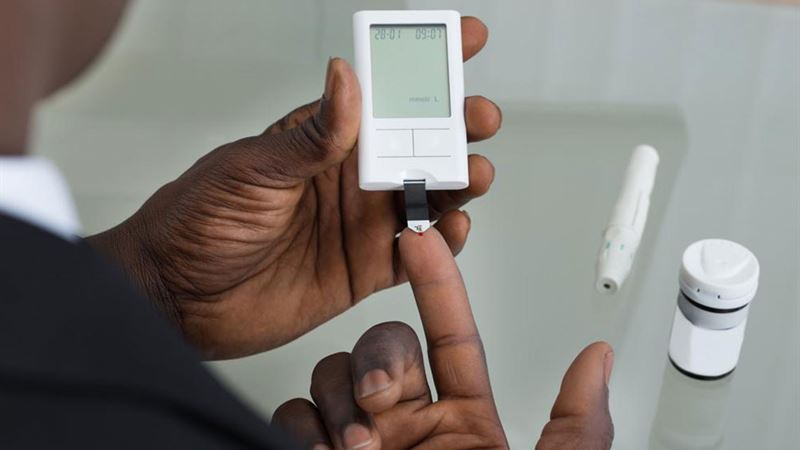
- For individuals diagnosed with type 1 diabetes, healthcare professionals typically recommend checking blood sugar levels multiple times each day—generally between five to seven times. The precise timing of these tests is tailored to each patient’s routine and medical needs. Commonly, patients are advised to measure their glucose levels before and after meals, before and after engaging in physical activity, and at various intervals throughout the day to assess how different activities influence their blood sugar. Utilizing a blood glucose monitor for self-testing provides the convenience and accuracy needed for meticulous glycemic management, especially when frequent assessments are necessary.
- Patients with type 2 diabetes who are prescribed insulin therapy are usually instructed to perform blood sugar tests at least twice daily. The frequency may be increased based on factors such as the intensity of insulin therapy, the presence of health complications, or changes in lifestyle. For these patients, regular monitoring helps optimize insulin dosing, prevent hyperglycemia or hypoglycemia, and provide valuable feedback for effective diabetes management. The timing of tests generally mirrors that of type 1 diabetes, emphasizing measurements before and after meals, and sometimes additional tests before bedtime.
Monitoring frequency is influenced by the severity of the condition, patient age, and overall health. Patients with well-controlled diabetes may not need to test as frequently, while those with labile glucose levels require closer observation. In cases of gestational diabetes—a condition occurring during pregnancy—monitoring patterns differ slightly, with personalized schedules tailored to each woman's condition. Typically, testing involves checking blood sugar levels before and after meals, but the frequency can vary depending on the stage of pregnancy and individual health considerations. Regular blood sugar checks are vital for ensuring safe pregnancies and proper fetal development.
Additional Factors Influencing Testing Frequency
Beyond the basic classification of diabetes types, several other determinants influence how often a person should monitor their blood sugar levels. These include the patient's age, presence of comorbid conditions such as hypertension or cardiovascular disease, and lifestyle habits. Young children and elderly individuals may require more frequent testing due to increased vulnerability or difficulty in managing their condition. Similarly, patients engaged in intensive insulin therapy or those experiencing fluctuating blood glucose levels need tailored testing schedules to maintain optimal control.
Impacts of Lifestyle and Other Considerations
Lifestyle choices like diet, physical activity, stress levels, and medication adherence play significant roles in blood glucose management. Regular monitoring helps patients understand how these factors affect their blood sugar, enabling them to make informed decisions about their lifestyle. For example, a person engaging in regular exercise might need to check their blood sugar levels more frequently to avoid hypoglycemia. Likewise, changes in diet or medication may necessitate additional testing to ensure stability.
Special Circumstances and Adjustments
In certain situations, such as illness, pregnancy, or after diagnostic procedures, healthcare providers might recommend adjustments to the regular testing schedule. Illnesses like infections can cause blood sugar levels to rise unpredictably, requiring more frequent checks. During pregnancy, especially in the third trimester, intensified monitoring is often necessary to safeguard fetal health. Patients should always consult their healthcare provider for personalized advice and adjustments tailored to their specific needs.
Advancements in Monitoring Devices and Techniques
Traditional blood glucose testing involves pricking the finger with a lancet to obtain a drop of blood, which is then analyzed using a handheld meter. However, technological advancements have introduced continuous glucose monitoring (CGM) systems, providing real-time data on glucose trends throughout the day and night. These devices reduce the need for frequent finger pricks, improve glycemic control, and alert users to dangerous fluctuations. Patients should discuss with their healthcare providers the most suitable monitoring method based on their condition, lifestyle, and preferences.
Conclusion
Effective diabetes management hinges on consistent blood glucose monitoring. The frequency of testing varies according to diabetes type, treatment plan, individual health status, and lifestyle factors. While some patients may only need to test occasionally, others require frequent assessments to prevent complications. Advances in monitoring technology continue to make blood sugar management more accessible and less invasive, empowering patients to take control of their health. Always consult with healthcare professionals to determine the most appropriate testing schedule tailored to your specific needs, ensuring optimal blood sugar control and improved quality of life.