
Comprehensive Guide to Selecting the Perfect Glucose Monitoring Device
Discover the comprehensive guide to choosing the perfect glucose meter. Learn about essential features, advanced technologies, and tips to maintain accurate blood sugar monitoring for better diabetes management. Make informed decisions with expert advice and improve your quality of life today.
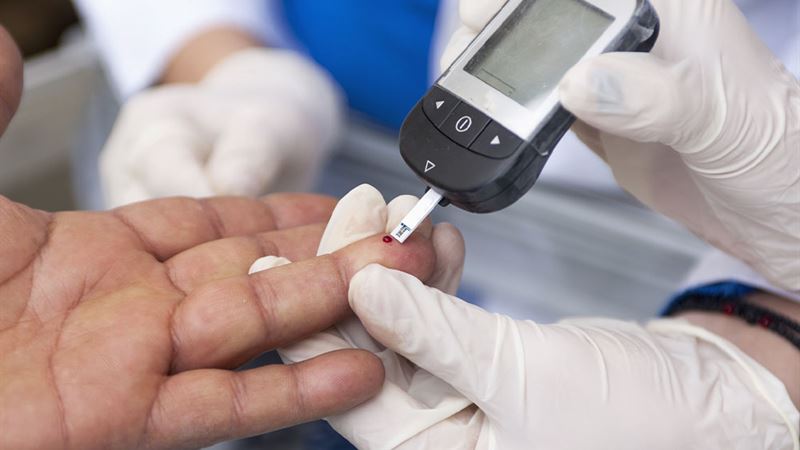
Managing diabetes effectively requires reliable tools to monitor blood glucose levels regularly. Selecting the right glucose meter is a critical step towards maintaining optimal health and preventing complications. With numerous options available on the market—from simple basic models to sophisticated devices with advanced features—making an informed choice can seem overwhelming. This extensive guide aims to help you understand the essential factors involved in choosing a suitable glucose monitoring device, highlighting features, functionalities, and tips to ensure you get the best device to meet your needs.
Proper blood glucose management is vital for individuals living with diabetes. The core device used for this purpose, the glucose meter, measures the sugar levels in your blood accurately and efficiently. However, given the variety of devices available today, it’s important to understand what features and qualities to prioritize when selecting the best glucose meter for yourself or a loved one. In this comprehensive article, we will explore everything from basic models to cutting-edge technology, offering detailed insights to help you make an educated decision.
Understanding the Role of a Glucose Meter in Diabetes Management
Blood glucose meters are pivotal in controlling diabetes. They enable constant monitoring, informing dietary choices, medication plans, physical activity, and overall disease management. Maintaining blood sugar within recommended ranges reduces the risk of long-term complications such as cardiovascular disease, nerve damage, kidney issues, and eye problems. Regular testing helps identify patterns, trends, and dosage adjustments needed in insulin or medication regimens. A reliable device also minimizes errors and provides consistent results, which are essential for safe and effective management of diabetes.
Key Factors to Consider When Choosing a Glucose Meter
Choosing the right glucose meter involves evaluating multiple factors such as accuracy, ease-of-use, cost, and additional features. Here are some fundamental considerations:
- Accuracy and Reliability
Accuracy is paramount when selecting a blood glucose monitor. The device should provide readings that closely match laboratory results. Frequent calibration, high-quality sensors, and consistent performance are signs of a dependable meter. It's advisable to compare the device’s readings with lab tests periodically to ensure reliability.
- User-Friendliness
Ease of operation is essential for daily use, especially for seniors or those with limited dexterity. Features to look for include large, easy-to-read screens, simple navigation menus, minimal blood sample requirements, and quick testing times. Some models incorporate voice prompts or talking features to assist users with visual impairments.
- Cost and Affordability
While some may be tempted by free or low-cost meters, it’s crucial to prioritize quality over price. Consider the cost of test strips, lancets, batteries, and maintenance over time. Verify if your insurance covers specific models or supplies. Investing in a high-quality device is cost-effective in the long run, offering more accurate readings and durability.
- Data Storage and Tracking Capabilities
Devices with memory features help track your blood glucose levels over days, weeks, or months. This data is useful for analyzing trends and sharing information with healthcare providers. Some meters sync with smartphones or computers via Bluetooth, allowing seamless data management and easier reporting for medical consultations.
- Additional Features
Modern glucose meters may include extra functionalities such as backlit displays, multiple languages, medication reminders, or integrated calculators for carbohydrate counting. Advanced models may also offer automated logging, alarms for hypo- or hyperglycemia, and compatibility with continuous glucose monitoring (CGM) systems.
Practical Tips for Effective Use of Glucose Meters
To ensure consistent accuracy, proper usage and maintenance of your glucose meter are fundamental. Here are practical tips:
- Regular Calibration and Control Tests
Use control solutions to verify that your meter and test strips are functioning correctly. Conduct routine checks whenever you open a new batch of test strips or if you suspect inaccuracies.
- Proper Sample Collection
Follow instructions carefully to obtain a sufficient blood sample. Use clean, dry hands and the recommended finger or alternative site; avoid testing on compromised skin sites.
- Device Maintenance
Keep your device clean and store it according to the manufacturer’s instructions to prevent damage and contamination.
Understanding Advanced Glucose Monitoring Technologies
Beyond traditional finger-prick meters, innovative technologies are revolutionizing diabetes management:
- Alternate Site Monitoring
This method allows testing from areas such as the forearm, upper arm, or thigh, reducing discomfort. However, readings from alternative sites may sometimes be less accurate during rapid blood sugar changes.
- Continuous Glucose Monitoring (CGM)
CGMs involve subcutaneous sensors that provide real-time glucose readings throughout the day and night. They alert users to impending hypo- or hyperglycemia, enabling proactive management. Although more expensive, CGMs are especially beneficial for individuals requiring tight glucose control or insulin therapy.
Connecting With Healthcare Providers for Optimal Glucose Management
Discuss your device choice with your healthcare provider. They can recommend suitable models based on your lifestyle, medical needs, and budget. Regular data review with your doctor helps optimize your treatment plan and improve health outcomes.
Final Thoughts: Investing in Your Health
Selecting the right glucose monitoring device is a critical step toward effective diabetes management. Prioritize accuracy, usability, and affordability. Embrace new technologies to enhance your control and health quality. Never compromise on device quality—consult your healthcare provider, do thorough research, and choose a device that aligns with your unique needs. Consistent use, proper maintenance, and understanding your readings will empower you to lead a healthier life with diabetes.