
Comprehensive Guide to Cataract Surgery Expenses and Insurance Coverage
This comprehensive guide explores the various costs of cataract surgery, including basic and premium options, insurance coverage details, and tips for managing expenses. It aims to help patients understand how to navigate the financial aspects of this common procedure and make informed choices for better vision health.
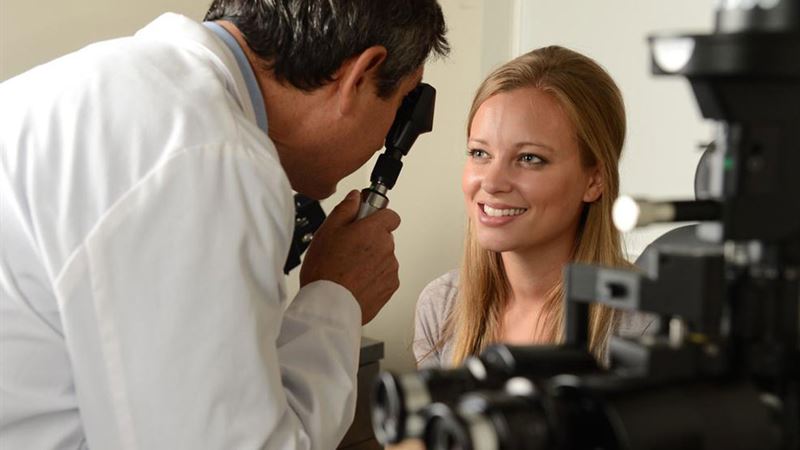
Cataract surgery stands among the most common and effective procedures to restore clear vision for millions worldwide. However, understanding the overall cost involved and how insurance coverage can offset these expenses is crucial for prospective patients. The total expenses associated with cataract removal vary significantly based on multiple factors, including the complexity of the procedure, chosen lens type, and insurance policies. Patients should familiarize themselves with the different cost components, available packages, and coverage options to make informed decisions and avoid unexpected expenses.
In this extensive guide, we explore the various facets of cataract surgery costs, insurance plans that can help mitigate these expenses, and practical tips to navigate the financial aspects of this vital medical procedure. Whether you are considering basic or premium cataract surgery, understanding pricing structures, what is included in coverage, and what additional costs to anticipate can make the process smoother and more financially manageable.
**Understanding the Factors Influencing Cataract Surgery Costs**
The cost of cataract surgery is not fixed; it varies widely based on several factors, including geographic location, the type of surgical facility, the specific technology used, and the choice between basic and advanced intraocular lenses. Typically, the pricing ranges from a few hundred to several thousand dollars per eye, depending on these variables. Moreover, insurance coverage, deductibles, co-payments, and additional post-operative treatments significantly influence the overall out-of-pocket expenses.
**Types of Cataract Surgery Packages**
Most patients encounter two primary options when considering cataract surgery: the basic package and the premium package. Each comes with distinct features, benefits, and associated costs. Understanding the differences helps patients choose the plan that best suits their vision needs and financial situation.
Premium Cataract Surgery: Elevated Results and Advanced Technology
For individuals seeking the highest quality visual outcomes and maximum independence from corrective eyewear, premium cataract surgery is an attractive option. This package utilizes cutting-edge intraocular lenses (IOLs) that offer enhanced features, such as multifocal capabilities, astigmatism correction, and improved contrast sensitivity. The advanced technology embedded in these lenses results in sharper, more natural vision and often reduces reliance on glasses post-surgery.
Estimating the cost of premium cataract procedures involves considering the expenses for sophisticated intraocular lenses and associated surgical enhancements. On average, the cost per eye ranges from $2,000 to $5,000. Patients should contact their insurance providers to confirm coverage and possible deductibles for premium options. While the initial investment is higher, many find the long-term benefits invaluable, especially if they desire reduced dependence on corrective eyewear.
It’s important to note that premium surgeries often include extras like laser-assisted techniques, which further improve the precision and safety of the procedure. These additional features contribute to the increased costs but can significantly improve the overall surgical experience and outcomes.
Basic Cataract Surgery: Effective Vision Correction with Cost Efficiency
The basic cataract surgery package remains the most common choice for patients aiming to restore vision without extensive additional features. This approach employs standard monofocal intraocular lenses that correct vision primarily for either distance or near, but generally do not offer multifocal capabilities. As a result, patients undergoing basic surgery might still need glasses for certain activities, such as reading or computer work.
The cost for basic cataract surgery typically ranges from $1,000 to $3,000 per eye. The lower price point makes it a popular choice among those with limited insurance coverage or budget constraints. While these procedures might not include astigmatism correction or multifocal capabilities, they effectively improve overall vision clarity and quality of life.
Many insurance plans, including Medicare, offer coverage for the basic cataract procedure. Nonetheless, patients should be aware of the additional costs for post-operative eyewear, medications, and follow-up visits.
Insurance Coverage and Financial Assistance for Cataract Surgery
Many health insurance plans recognize the necessity of cataract surgery and provide various levels of coverage to support patients through the process. These plans often cover significant portions of the surgery costs, including the pre-operative examinations, the procedure itself, post-operative care, and some of the essential follow-up treatments.
Medicare, a common provider in many countries, typically covers 80-100% of approved cataract surgery costs once deductibles are met. Patients are usually responsible for the remaining 20%, which includes expenses such as specific diagnostic tests, anesthesia, and post-surgery medications. It’s crucial to understand the specifics of your plan to avoid surprises.
Coverage often extends to essential diagnostic procedures like cardiac assessments (EKG), comprehensive eye examinations, and measurements for IOLs. Additional post-surgical treatments, such as YAG laser capsulotomy to address posterior capsule opacification, are usually covered but may have associated costs, often around $300.
Patients should consult with their insurance representatives to clarify what is included and what costs might be their responsibility. This proactive approach ensures transparency and helps in planning financially for the entire process.
Questions to Ask Your Insurance Provider
- What is the co-payment amount required for cataract surgery, and how is it calculated? For example, some plans require 20% of the total cost.
- What are the deductible requirements, and how do they affect the overall expenses? High deductible plans might require $1,000 or more before coverage kicks in.
- Does the insurance approve your preferred eye surgeon? If not, what are the options for selecting a surgeon within the network?
- Is the cost of eyeglasses after the procedure covered? Many plans reimburse for one pair of glasses post-surgery.
- Are the surgical centers approved and in-network? Using non-approved centers could lead to higher out-of-pocket costs.
- Does the insurance plan accommodate costs for specific surgeons or facilities, especially if you have a preferred healthcare provider?
**Additional Costs to Consider**
It’s essential to be aware of potential extra expenses that may not be fully covered by insurance. These include diagnostic tests like the YAG laser procedure, which clears residual membrane and is often necessary after the initial surgery. The cost of YAG laser capsulotomy typically ranges from $250 to $500 per eye, depending on location and provider.
Other potential costs include medications, eye drops, and follow-up appointments to ensure proper healing. Patients are encouraged to ask their healthcare providers and insurance agents about these additional charges and whether they are included in the coverage plan.
**Preparation Tips for Financial Planning**
Before scheduling surgery, consult with your insurance provider to obtain a comprehensive understanding of coverage and out-of-pocket expenses. Request detailed estimates and discuss possible payment plans if necessary. Consider setting aside an emergency fund to cover unexpected costs and ensure a smooth recovery process without financial stress.
Ultimately, transparency and thorough preparation are vital for managing the financial aspects of cataract surgery effectively. With informed decisions, patients can achieve optimal visual outcomes without undue financial burden.