
Comprehensive Guide to Laser-Assisted Cataract Removal: What You Need to Know
Discover the detailed process and advantages of laser cataract surgery, including corneal incision, capsulotomy, lens fragmentation, and astigmatism correction. Learn about the benefits, risks, costs, and how this innovative procedure can significantly improve your visual clarity with minimally invasive techniques and higher precision, leading to better outcomes and faster recovery compared to traditional methods.
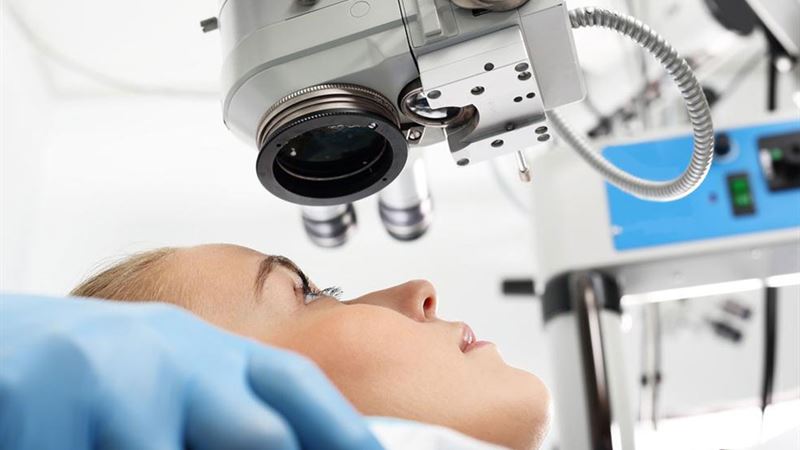
Laser cataract surgery is an advanced medical procedure designed to enhance visual clarity by removing clouded natural lenses caused by cataracts. It employs state-of-the-art laser technology to perform precise incisions and lens fragmentation, significantly improving surgical outcomes compared to traditional methods. This detailed guide explores each step of laser cataract removal, highlighting its advantages, potential risks, and the factors influencing its cost. If you're considering this innovative procedure, understanding the process can help you make an informed decision for better eyesight and quality of life.
Step 1: Creating the Corneal Incision
In conventional cataract surgery, a surgeon depends heavily on manual skills to make an incision in the eye's cornea at the junction with the sclera, the eye's white outer layer. Typically, small blades or diamond scalpels are used to create the incision necessary for lens removal and intraocular lens (IOL) placement. This incision is crafted meticulously to prevent the need for sutures, promoting rapid healing and minimal discomfort. However, because manual incisions depend heavily on the surgeon's expertise, there is variability in precision and outcomes.
In contrast, laser-assisted cataract surgery utilizes cutting-edge 3D imaging technology, particularly optical coherence tomography (OCT), to map the eye's structures in real-time. High-resolution visuals enable highly accurate planning of incision points, depths, and lengths. The femtosecond laser then executes these plans flawlessly, creating incisions that are extremely precise, consistent, and tailored to each patient's eye anatomy. This technological precision greatly reduces the likelihood of complications such as irregular incisions, wound leaks, or surgical trauma, offering a safer and more predictable surgical experience.
Step 2: Performing Capsulotomy
The natural lens of the eye is enclosed within a delicate, transparent capsule, which plays an essential role in supporting the lens and maintaining proper positioning. During cataract surgery, the anterior portion of this capsule must be carefully opened to access the cloudy lens. In traditional procedures, surgeons manually create a circular opening—a process that can sometimes result in irregular edges or unintended tears, impacting the subsequent placement of the intraocular lens.
Laser-assisted surgery employs femtosecond lasers to perform capsulotomy with remarkable precision. This technique involves delivering ultra-short laser pulses to cut the anterior capsule in a perfectly circular, smooth pattern. Studies demonstrate that laser capsulotomies offer superior accuracy and reproducibility, leading to better lens positioning and stability. This meticulous approach results in improved refractive outcomes, especially beneficial in premium IOL implants such as multifocal or toric lenses, reducing the risk of lens tilt or decentration that can impair vision.
Step 3: Cataract Fragmentation
Following successful capsulotomy, the laser's next role is to soften and fragment the cloudy lens material—known as the cataract—making it easier to remove. In traditional procedures, ultrasonic energy (phacoemulsification) breaks up the lens, which can generate heat, cause tissue trauma, and sometimes lead to collateral damage.
With laser assistance, the femtosecond laser precisely targets the lens, creating pre-designed fragmentations. This controlled breakup means the ultrasonic energy required is significantly reduced, minimizing thermal and mechanical stresses on the eye. As a result, patients often experience faster recovery, less inflammation, and less postoperative discomfort. The laser's ability to customize each fragmentation pattern ensures gentle, effective removal of the cataract, especially in complex cases such as dense or hard lenses.
Step 4: Correcting Astigmatism
One of the significant advantages of laser cataract surgery is its capacity to correct pre-existing astigmatism during the same procedure. Astigmatism occurs when the cornea has an irregular curvature, causing blurred or distorted vision. To address this, surgeons make precise incisions or perform limbal relaxing incisions aligned along the meridians—the axes where the cornea's curvature varies.
Using femtosecond laser technology, the incisions can be customized and accurately placed at specific locations to flatten the steeper meridian, thereby reducing astigmatism. Postoperative healing restores corneal symmetry and enhances visual acuity without the need for glasses. Depending on the degree of astigmatism correction needed, surgeons may also implant toric intraocular lenses alongside laser procedures to achieve optimal results. Proper patient assessment and consultation are essential to determine if combined correction is suitable.
Potential Risks and Complications
While laser cataract surgery boasts numerous benefits, it is not entirely free from risks. Most patients experience no significant complications, but some may encounter temporary visual disturbances such as blurriness or sensitivity to bright light. Such symptoms typically resolve within days to a week post-surgery. Some individuals might experience mild swelling, which generally subsides quickly without intervention.
In rare cases, complications like wound leaks, lens placement issues, or even severe vision loss can occur, especially in patients with other underlying eye or health conditions such as diabetic retinopathy, glaucoma, or previous eye surgeries. Therefore, comprehensive preoperative evaluations are critical to identify potential risk factors. Patients with systemic health issues should discuss these thoroughly with their ophthalmologist to ensure safe surgical planning.
Cost Considerations and Choosing the Right Procedure
Laser-assisted cataract surgery is known for its technological sophistication, which comes with higher costs compared to traditional methods. The expense can range from several thousand dollars, depending on geographic location, surgeon expertise, and specific lenses used. Although more expensive, many patients opt for laser surgery due to its high precision, quicker recovery, and potentially better visual outcomes.
Insurance coverage varies; some private medical plans and Medicare may partially offset costs, but patients should verify coverage beforehand. When contemplating surgery, it’s essential to consult a reputable ophthalmologist to assess individual needs and determine whether laser technology offers significant benefits for your particular condition. Cost should be weighed against potential quality-of-life improvements and long-term visual stability.
In conclusion, laser cataract surgery represents a significant advancement in ophthalmology, combining technological precision with proven clinical benefits. While it may involve higher expenses, its ability to improve safety, accuracy, and visual results makes it a compelling option for many patients seeking excellence in eye care. Thorough consultation, diagnostic evaluation, and choosing experienced surgeons are vital steps toward achieving optimal outcomes in your journey toward clearer vision.