
Comprehensive Dietary Guidelines for Managing Hiatal Hernia Naturally
Learn comprehensive dietary strategies to effectively manage hiatal hernia symptoms. Discover which foods to incorporate and avoid, healthy eating habits, and tips to reduce heartburn. Achieve better digestive health with personalized diet plans and expert advice for a pain-free life.
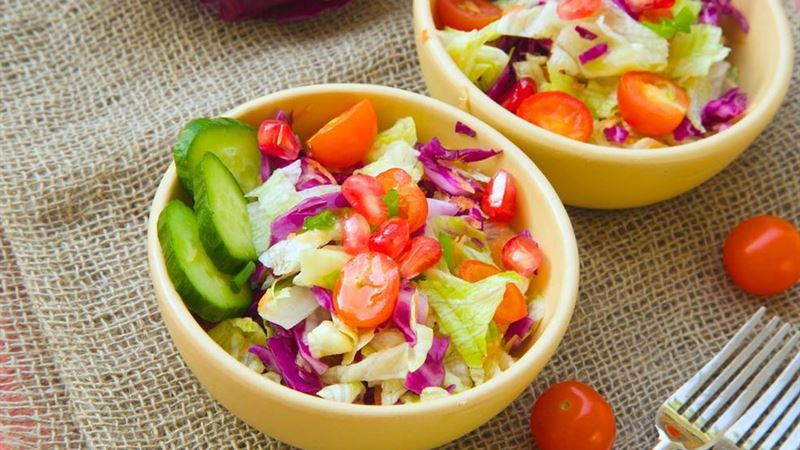
A balanced and thoughtful diet plays a crucial role in alleviating symptoms associated with hiatal hernia. By making conscious food choices, individuals can significantly reduce discomfort and prevent flare-ups. Understanding which foods to consume and which to avoid is essential for effective management. This detailed guide provides insights into creating a diet that promotes digestive health, minimizes acid reflux, and supports overall well-being.
Key Foods to Incorporate into Your Hiatal Hernia Diet
To ease symptoms and promote healing, it is vital to include certain foods that are gentle on your digestive system and have properties that help soothe heartburn. These foods support a healthy gastrointestinal environment and can prevent the aggravation of symptoms.Lean Protein Sources
Replacing fatty meats with lean alternatives is highly recommended for those suffering from hiatal hernia. Opt for quality proteins such as chicken breasts, turkey, and white fish like cod and tilapia. These options are low in saturated fats and easier to digest. Baking, grilling, or steaming meats is preferable to frying, which adds unnecessary fats and calories. Using herbs and spices in moderation can enhance flavor without irritating the stomach lining. Avoid processed meats like sausages, cold cuts, and bacon, as they tend to be high in fats and preservatives that may exacerbate symptoms.Fruits and Vegetables
Incorporating fresh fruits and vegetables into your diet provides vital vitamins, minerals, and antioxidants that support digestive health. Favor fruits that are low in acidity, such as berries—raspberries, blueberries, and blackberries—as well as cherries, apricots, and bananas. These help reduce inflammation and soothe the esophageal lining. Citrus fruits like oranges, lemons, and grapefruits generate acid that can worsen heartburn and should be avoided. Tomatoes and tomato-based products—such as sauces, ketchups, and salsas—are also acidic and may trigger symptoms.Vegetables are a cornerstone of a hiatal hernia-friendly diet. Leafy greens like spinach, kale, and Swiss chard contain calcium and magnesium, which can buffer stomach acid. Cruciferous vegetables like broccoli, cauliflower, and Brussels sprouts are rich in fiber and antioxidants but may cause bloating in some individuals; therefore, portion control is advised. Carrots, sweet potatoes, squash, bell peppers, and cucumbers are easy-to-digest options that support immunity and enhance metabolic function. Including a variety of colorful vegetables ensures a broad spectrum of nutrients essential for health.
Dairy, Oils, and Whole Grains
The appropriate intake of dairy products is crucial; prioritize low-fat or fat-free options such as skim milk, yogurt, and cottage cheese to avoid excess fats that can increase reflux. These foods provide calcium, protein, and probiotics beneficial for gut health. When choosing cooking oils, opt for heart-healthy options like extra virgin olive oil, safflower, and avocado oil. These oils contain beneficial fats and are less likely to promote inflammation compared to saturated or trans fats found in margarine or fried foods.Whole grains are preferable over refined carbohydrates, which digest quickly and can cause stomach upset. Include brown rice, whole wheat bread, oats, barley, and quinoa in your diet to promote slow digestion and sustained energy release. Reducing processed foods, baked goods made with white flour, and sugary snacks can help manage symptoms and improve overall health.
Hydration and Beverage Choices
Drinking plenty of water is fundamental for maintaining digestive health and neutralizing stomach acids. Aim for at least 8 glasses of water daily. Avoid caffeinated beverages such as coffee, black tea, and energy drinks, as caffeine relaxes the lower esophageal sphincter and can intensify reflux episodes. Similarly, alcohol and carbonated drinks should be limited or eliminated, as they increase stomach pressure and promote acid production. Herbal teas like chamomile, ginger, or peppermint (if tolerated) are soothing options that aid digestion without triggering heartburn.While dietary modifications are essential, consulting a healthcare professional is important before making significant changes, especially if you have a diagnosed hiatal hernia. Over-the-counter medications might provide relief, but they should be used under medical supervision. Regular monitoring and discussions with your doctor can help tailor a personalized diet plan that fits your needs and lifestyle.
Foods to Steer Clear Of During Your Hiatal Hernia Management
Certain foods have a reputation for aggravating hiatal hernia symptoms and should be avoided or minimized. These include:- Onions and garlic, which can relax the sphincter
- Citrus fruits such as lemons, oranges, and grapefruits, due to their acidity
- Spicy foods and fried dishes that irritate the digestive tract
- Chocolate and sugary baked goods, which can relax the esophageal sphincter
- Tomato-based foods like pasta sauces and salsa, which are acidic
- Caffeinated beverages such as coffee and energy drinks
- Alcohol and carbonated drinks, which increase stomach pressure
- Whole milk and high-fat dairy products
Recognizing Heartburn Triggers and Adopting Healthy Food Habits
Proper food habits are instrumental in managing hiatal hernia symptoms. Overeating or consuming large meals can increase abdominal pressure, leading to reflux. To minimize discomfort:- Eat smaller, more frequent meals throughout the day.
- Avoid eating at least two hours before bedtime to prevent nighttime reflux.
- Steer clear of late-night snacks and heavy meals.
- Sit upright during and after meals, and refrain from vigorous activity immediately afterward.
- Be mindful of foods that seem to trigger your symptoms and avoid them accordingly.
Maintaining a food diary can be an effective way to identify personal triggers. Track your daily intake and symptoms for at least two weeks. This record will help you and your healthcare provider develop a tailored diet plan intended to reduce symptoms and improve quality of life. Nutrition plays a critical role in managing hiatal hernia, and with consistent effort, you can find relief and support overall health security.