
Expert Guide to Selecting the Perfect 3-Wheeled Bicycle for Young Children
Discover comprehensive tips for choosing the perfect 3-wheeled bicycle for toddlers. This detailed guide covers key aspects such as safety standards, design considerations, material choices, size adjustments, and shopping tips. Ensuring your child's safety and comfort, the article helps parents make informed decisions when selecting a durable, fun, and safe tricycle. Perfect for concerned parents eager to provide their little ones with a reliable and enjoyable riding experience, this guide is an essential resource in your child's early mobility journey.
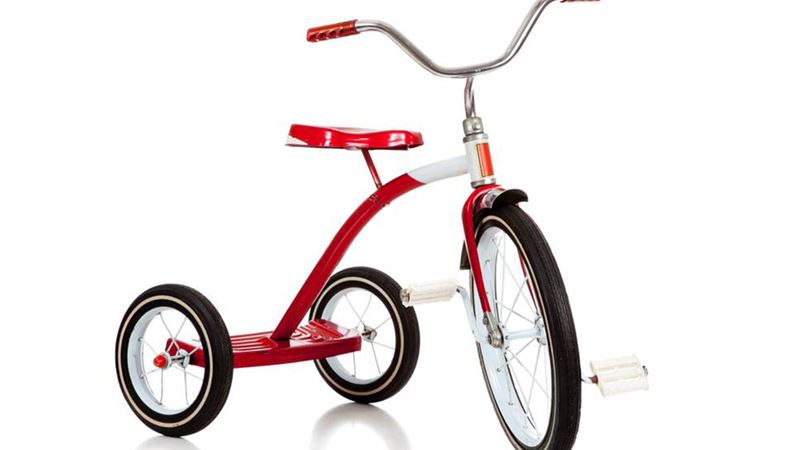
Prioritize Quality and Safety – When selecting a tricycle for your toddler, quality should always take precedence. The bicycle will likely be used for extended periods, so durability, stability, and safety features are critical. Always opt for models crafted with non-toxic, child-safe materials. Poorly manufactured bikes made with harmful substances can pose health risks to your child. Look for certifications or standards that affirm the bicycle's safety and quality assurance, and choose brands known for their commitment to safety and durability.
Design Considerations for Comfort and Engagement – While three-wheeled bikes might seem simple, their designs vary significantly. Pay close attention to elements such as the seat, handlebars, and accessories. The seat should comfortably support your child's back and provide ample space for movement. Many models feature a triangular seat shape, but those with an ergonomic backrest can offer enhanced comfort for longer rides. Some bicycles come with entertaining features like bells, mirrors, or decorative elements, which can stimulate your child's interest and make riding more enjoyable.
The height of the handlebars and their ease of reach should also be considered. Ensuring your child can easily grip the handlebars promotes control and confidence while riding. If the bicycle includes additional features such as storage baskets or colorful decorations, assess whether these add to the bike's functionality or merely serve as aesthetic purposes. Ultimately, a well-designed bicycle that combines safety, comfort, and fun encourages your child's enthusiasm and safe riding habits.
Material Choices for Durability and Safety – Tricycles are commonly constructed from metals like steel or aluminum, or from sturdy plastics. Metal frames tend to be more durable and provide better stability but may be heavier and prone to rust if not properly treated or if left outdoors. Plastic frames are often lighter, easier for young children to handle, and resistant to rust, but they may be less sturdy on uneven terrains and might not withstand rough use as well as metal counterparts.
Consider the typical use scenario before choosing the material. If your child mainly rides on smooth surfaces within a controlled environment, plastic might suffice. For outdoor adventures across rougher terrains, a metal-frame bike could be the better investment. Always check for high-quality materials that resist cracking or breaking, and ensure all parts are painted or coated to prevent corrosion and ensure longevity.
Size and Adjustability for Growing Kids – Proper sizing is vital for your child's comfort and safety. Most modern tricycles come with adjustable features to accommodate growth. When selecting a bike, verify that your child's feet comfortably reach the pedals without overly stretching or cramping. The bike should also touch the ground lightly when stationary, enabling your child to stabilize themselves easily or get on and off without difficulty.
Adjustable components such as the seat height and handlebar position can extend the usability of the bicycle as your child grows. This adaptability ensures the bike can be used for several years, making it a worthwhile investment. Some models feature quick-release mechanisms or simple screw adjustments, so familiarizing yourself with these features can facilitate easier modifications over time.
Additionally, consider the overall size of the bicycle regarding portability and storage. Smaller, lightweight models are easier for children to maneuver and carry, especially if you plan to take the bike on outings or store it in tight spaces.
Choosing Between Online and Retail Purchases – Both online shopping and traditional retail stores offer their advantages. When buying a tricycle online, you benefit from a broader selection, detailed specifications, customer reviews, and convenient home delivery. However, it is crucial to verify the credibility of the seller and ensure the product's quality through reviews, ratings, and return policies. Pay special attention to customer feedback regarding durability, ease of assembly, and safety features.
On the other hand, purchasing from a physical store allows you to inspect the bicycle firsthand, assess the build quality, and confirm the size and comfort of the components directly. It also provides an opportunity to seek expert advice or assistance from sales staff. Whichever method you choose, always prioritize the safety ratings and certifications, and ensure the bicycle meets safety standards for children's toys or bikes in your region.
Ultimately, investing time in research and evaluation will help you select the ideal three-wheeled bicycle that combines safety, comfort, durability, and fun for your child’s happiness and wellbeing.