
Comprehensive Guide to Classifying and Understanding Fragrances
Explore the detailed process of how fragrances are categorized based on gender, scent profile, and product type. Learn about the science behind perfume creation, interaction with skin chemistry, and the broad array of fragrance-infused products that enrich daily life. Understand how perfumes are crafted, tested, and personalized to suit individual preferences for various occasions and moods. This comprehensive guide offers insights into the art and science of fragrances and their significance across different industries, helping you select and enjoy the perfect scent for every moment.
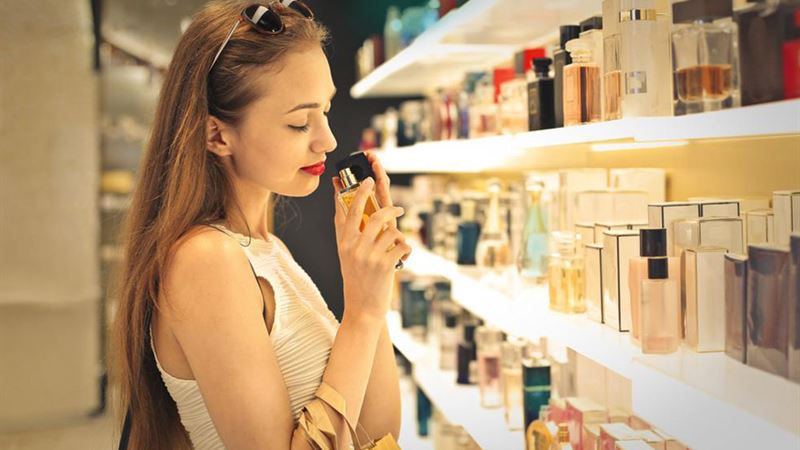
Perfume development starts with an extensive process where raw ingredients are combined and tested to create appealing scents. During this phase, fragrances are often sampled through various methods like testing strips or spray bottles to gather consumer feedback and refine the formula. These preliminary tests help identify the most appealing compositions before finalizing the product for the market. The goal is to craft fragrances that resonate with consumers and evoke a desired emotional response.
Gender-Based Fragrance Differentiation
Fragrances are typically tailored to suit different genders — male and female — due to biological and physiological variations. The chemical composition of perfumes designed for men often reacts differently with skin oils and sweat compared to those for women. Since each individual has a unique body chemistry, the scent's final aroma can vary from person to person. For example, a perfume formulated for men may emphasize woody or spicy notes, complementing the natural scent of male skin, while women’s fragrances might highlight floral, fruity, or sweet accords. The interaction between the perfume and the wearer’s skin can alter the perception of the fragrance significantly, making personalization a key component in fragrance selection.
Fragrances are typically tailored to suit different genders — male and female — due to biological and physiological variations. The chemical composition of perfumes designed for men often reacts differently with skin oils and sweat compared to those for women. Since each individual has a unique body chemistry, the scent's final aroma can vary from person to person. For example, a perfume formulated for men may emphasize woody or spicy notes, complementing the natural scent of male skin, while women’s fragrances might highlight floral, fruity, or sweet accords. The interaction between the perfume and the wearer’s skin can alter the perception of the fragrance significantly, making personalization a key component in fragrance selection.
Classification Based on Olfactory Characteristics
Fragrances can be classified according to their main scent profile. Some common categories include spicy, floral, fruity, musky, citrusy, aromatic, and sweet fragrances. Each category appeals to different preferences and occasions. For instance, spicy scents often evoke warmth and intensity, making them suitable for colder months and evening wear. Fruity and floral fragrances are usually light and refreshing, perfect for daytime or casual settings. Musky scents tend to evoke sensuality and sophistication. Recognizing your preferred olfactory profile can help you select fragrances that complement your personality and lifestyle. Moreover, the scent's behavior can change once it interacts with your skin’s pH level and natural body odor, adding to the uniqueness of each wearer’s experience.
Fragrances can be classified according to their main scent profile. Some common categories include spicy, floral, fruity, musky, citrusy, aromatic, and sweet fragrances. Each category appeals to different preferences and occasions. For instance, spicy scents often evoke warmth and intensity, making them suitable for colder months and evening wear. Fruity and floral fragrances are usually light and refreshing, perfect for daytime or casual settings. Musky scents tend to evoke sensuality and sophistication. Recognizing your preferred olfactory profile can help you select fragrances that complement your personality and lifestyle. Moreover, the scent's behavior can change once it interacts with your skin’s pH level and natural body odor, adding to the uniqueness of each wearer’s experience.
Broader Range of Fragrance-Embedded Products
Fragrance ingredients are incorporated into a diverse array of products beyond perfumes. These include scented candles, body soaps, body washes, deodorants, aftershaves, and colognes. Each of these products contains carefully selected fragrance compounds designed to evoke specific moods or enhance personal appeal. Scented candles are popular for creating a calming atmosphere in homes, spas, and meditation spaces. They help relax the mind and elevate mood, making everyday routines more enjoyable. Personal care items like soaps and body washes not only cleanse but also leave behind a pleasing aroma that boosts confidence and freshness throughout the day. Additionally, fragrances are used in incense sticks and essential oils during spiritual practices, meditation, and relaxation exercises, adding a sensory dimension to these experiences. The strategic use of fragrances across various products underscores their importance in enhancing human well-being and emotional health.
Fragrance ingredients are incorporated into a diverse array of products beyond perfumes. These include scented candles, body soaps, body washes, deodorants, aftershaves, and colognes. Each of these products contains carefully selected fragrance compounds designed to evoke specific moods or enhance personal appeal. Scented candles are popular for creating a calming atmosphere in homes, spas, and meditation spaces. They help relax the mind and elevate mood, making everyday routines more enjoyable. Personal care items like soaps and body washes not only cleanse but also leave behind a pleasing aroma that boosts confidence and freshness throughout the day. Additionally, fragrances are used in incense sticks and essential oils during spiritual practices, meditation, and relaxation exercises, adding a sensory dimension to these experiences. The strategic use of fragrances across various products underscores their importance in enhancing human well-being and emotional health.