
Comprehensive Guide to Fragrance Families and the Art of Perfume Creation
This comprehensive guide explores the diverse fragrance families used in perfumery and the detailed processes involved in creating perfumes. From sourcing natural ingredients to blending and aging, learn how perfumers craft signature scents that evoke emotion and personality. Discover the art and science behind perfume-making, along with insights into aromatherapy's role in health and wellness. Whether you're a fragrance enthusiast or aspiring perfumer, this article provides valuable knowledge about the intricate world of perfumes and their creation. Dive into the captivating art of scent craftsmanship today.
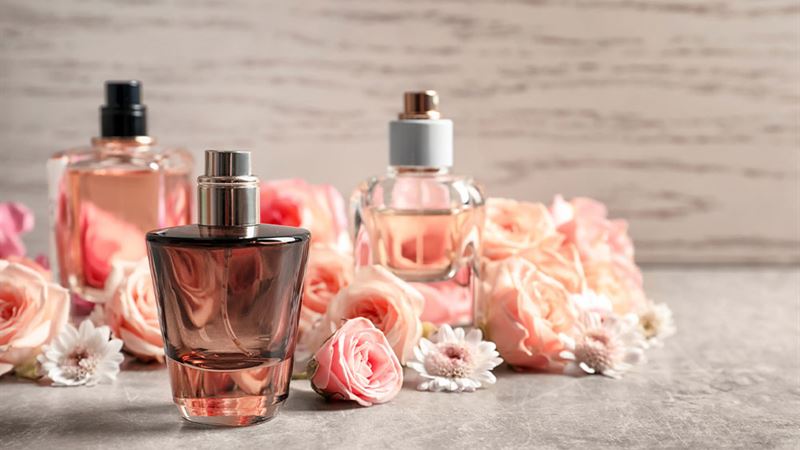
Floral: Floral scents are among the most popular and widely used in perfumery. They are primarily based on the aromatic properties of flowers like roses, jasmine, mimosa, narcissus, cassie, and scented geranium. These notes can be used singly or combined to form complex bouquets.
- Single floral: A perfume made from the essence of a single flower, highlighting its pure aroma.
- Floral bouquet: A harmonious blend of various floral extracts to create a layered scent profile.
Amber or Oriental: This rich, warm fragrance family embodies opulence and sensuality. It often combines animalic notes with sweet and aromatic plant extracts. Common ingredients include vanilla, ambergris, various woods, and musk. These fragrances are often associated with evening wear and special occasions, creating a sense of allure and mystery.
Woody: Woody fragrances draw their essence from aromatic woods like sandalwood, cedar, patchouli, and vetiver. These scents are warm, earthy, and grounding, often used in classic and sophisticated perfumery. They can evoke feelings of stability and nature-inspired elegance.
Leather: Characterized by notes that mimic the scent of tanned leather, this family includes elements like tobacco, honey, and woody undertones. They impart a rugged, luxurious feel suitable for bold, statement perfumes.
Citrus: Extracted from the blossoms and peels of citrus fruits like orange, grapefruit, bergamot, and lemon, these scents are bright, clean, and refreshing. They are ideal for creating lively, summery fragrances that energize and uplift the wearer.
Fruity: Sourced from non-citrus fruits such as mango, peach, passion fruit, and black currant, these scents are sweet and juicy, often adding a playful or exotic touch to perfumes.
Gourmand: Inspired by edible treats, gourmand fragrances feature edible-like notes of vanilla, tonka beans, caramel, and chocolate, delivering a warm, inviting aroma reminiscent of baked goods or sweets.
Aquatic: A modern trend in perfumery, aquatic scents evoke the fresh, breezy feeling of ocean air. They usually incorporate synthetic compounds that recreate the scent of sea spray and water.
Chypre: Rooted in traditional perfumery, this family emphasizes mossy, woody, and citrus notes, notably oakmoss, bergamot, and labdanum. It exudes a complex, earthy sophistication.
Spicy: Incorporating spices like cinnamon, cloves, and nutmeg, spicy fragrances deliver warmth and piquancy, often blending with oriental notes for a fiery, exotic feel.
Now, understanding how perfumes are created offers insight into this intricate art. The process combines both science and creativity, spanning centuries of tradition while integrating modern innovations. Here’s a detailed look at how perfumers craft these sensory masterpieces:Selection of Raw Materials: The journey begins with sourcing high-quality ingredients vital for the perfume. These include aromatic flowers, resins, woods, bark, leaves, animal secretions, and spices. Acquisition often involves global trade and importation, ensuring the freshest and most potent raw materials. Besides natural ingredients, chemical compounds, petrochemicals, coal tars, and synthetic molecules are incorporated to achieve desired scents and durability. Sometimes, water is added to dilute or modify concentrated extracts, ensuring the perfect consistency.
Extraction Techniques: The aromatic substances are obtained through various extraction methods:
- Expression: This ancient method involves mechanically pressing plant parts like citrus peels or seeds to release essential oils.
- Steam Distillation: Steam is channeled through raw materials, vaporizing aromatic compounds, which are then cooled and condensed into essential oils. This technique is common for extracting oils from flowers, leaves, and herbs.
- Solvent Extraction: Solvents like benzene or petroleum ether dissolve the fragrant compounds, which are later separated and purified. It’s particularly useful for delicate flowers like jasmine or tuberose.
- Enfleurage: A traditional and delicate method where flowers are placed on greased glass sheets, allowing scent absorption into the fat. The fragrance-laden fat is then processed to extract pure essential oils.
- Maceration: Raw plant materials are soaked in warm fats or oils for an extended period, allowing their aroma compounds to infuse the carrier. The mixture is later processed to isolate the essential oils.
Blending and Formulation: The extracted essential oils are then meticulously blended by skilled perfumers—known as 'noses'—who craft unique scent profiles based on an original formula. The blend often includes hundreds of different ingredients, with precise proportions to achieve the desired aroma. Perfumes typically contain between 10% and 20% essential oils, while colognes and eaux de toilette might have lower concentrations, around 3% to 5%.
Aging and Maturation: Once formulated, the perfume blends are aged for months or even years. This maturation process allows the fragrance components to harmonize fully, mellowing sharper notes and enhancing complexity. Aging conditions—temperature, light, and container—are carefully controlled to ensure optimal development.
Beyond traditional uses, perfumes have evolved into tools for health and well-being, contributing to aromatherapy practices. Certain essential oils are renowned for their therapeutic effects, assisting in managing stress, anxiety, depression, and even physical ailments. For instance, lavender oil is widely recognized for its calming properties, aiding relaxation and sleep. Tea tree oil has antimicrobial qualities beneficial for treating wounds and insect bites, while lemon oil acts as a mood enhancer and natural household cleaner.