
The Evolution and Cultural Impact of the Legendary Barbie Doll
Explore the fascinating history of Barbie, from her humble beginnings inspired by a German doll to her status as a global cultural icon. Learn how she transformed over decades, reflecting societal changes and empowering generations of children with diverse careers, styles, and inclusive features. Discover the impact of Barbie on play, culture, and perceptions of womanhood, emphasizing her role as a symbol of imagination and empowerment worldwide.
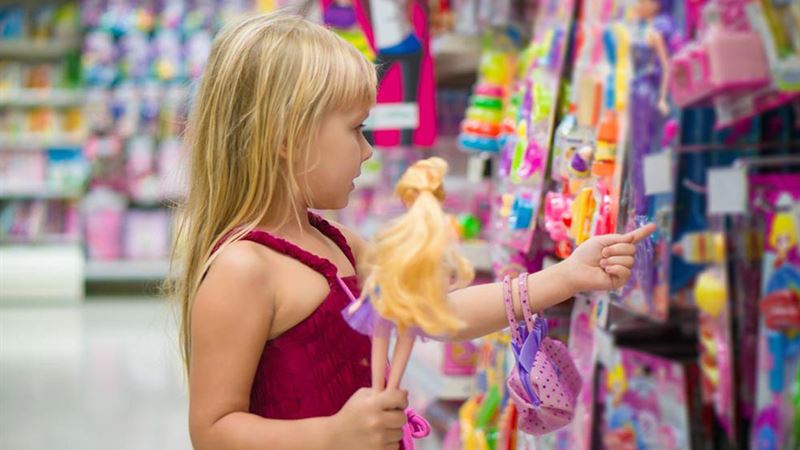
The story of Barbie, one of the most recognizable characters in the toy industry, begins in the late 1950s with Ruth Handler, a visionary co-founder of Mattel. Ruth's inspiration stemmed from observing her daughter, Barbara, engaging in imaginative play with paper dolls. She noticed how her daughter would assign adult roles to these flat figures, which sparked Ruth’s curiosity about creating a three-dimensional doll that could inspire creativity and role-play among children. This innovative idea aimed to fill a noticeable gap in the toy market and provide new opportunities for children to explore their imagination through play.
Initially, Ruth shared her concept with her husband, Elliot Handler, who co-founded Mattel. Despite initial skepticism from other stakeholders, Ruth persisted, especially after discovering a German doll called Bild Lilli. This doll, originally designed as a comic character for adults, had the qualities Ruth envisioned for her new doll—adult-like features and a fashionable appearance. Recognizing its potential, Ruth decided to adapt the concept for children in America, which marked the beginning of a revolutionary journey in toy history.
Upon returning to the United States, Ruth began redesigning the German doll, making it suitable and appealing for a young audience. She named her creation after her daughter, Barbara, to give it a personal touch, and thus, the world was introduced to Barbie—an iconic fashion doll that would eventually become a cultural phenomenon. The first Barbie, known as the Teenage Fashion Model, made its debut in 1959 at the New York Toy Fair. She wore a black-and-white striped swimsuit, had blonde or brunette hair styled in a high ponytail, and sported sunglasses—embodying a confident and stylish persona that captured the imagination of children and adults alike.
Barbie’s debut was a game-changer. Unlike traditional dolls of the era, which often depicted infants or young children, Barbie represented an adult woman, encouraging young girls to dream beyond conventional roles. The initial release was met with both curiosity and enthusiasm. The toy company responded by expanding Barbie’s universe—introducing diverse accessories, clothing options, and a broad range of playsets. Over time, Mattel developed a vast collection that included dollhouses, miniature cars, boats, airplanes, and various furniture pieces, providing children with endless opportunities for creative play.
One of the defining aspects of Barbie’s evolution has been her ability to adapt and reflect societal changes. Throughout the decades, Barbie has taken on numerous careers, breaking stereotypes and inspiring young minds to pursue their ambitions. From being a nurse, astronaut, or doctor to a pilot, firefighter, or presidential candidate, Barbie’s career-oriented dolls have empowered generations of girls to aim high and believe in their potential. These dolls serve as role models, demonstrating that women can excel in any field they aspire to.
Beyond her professional roles, Barbie has continually evolved to mirror fashion trends, cultural shifts, and technological advancements. The diversity of Barbie dolls increased over time, encompassing different ethnicities, body types, and abilities, making her more inclusive and representative of the real world. This inclusivity has been instrumental in promoting body positivity and acceptance among children, encouraging them to embrace their uniqueness.
Barbie’s impact extends beyond toys; she has become a symbol in popular culture, inspiring movies, fashion collaborations, and social discussions about gender roles and stereotypes. Over her more than six-decade history, Barbie has not only been a source of entertainment but also a platform for dialogue about diversity, empowerment, and imagination. Her journey from a simple doll to a global icon exemplifies how a single idea can influence perceptions and inspire change across generations.
Today, Barbie remains a beloved and relevant figure in the toy industry. Mattel continues to innovate with new designs, themed collections, and digital experiences that appeal to modern children. Her story is a testament to creativity, resilience, and the power of imagination—values that resonate with both children and adults worldwide. The evolution of Barbie embodies the progress of society itself, illustrating how toys can reflect and shape cultural values and aspirations over time.
In conclusion, Barbie’s legacy is built on her ability to adapt, inspire, and empower. From her humble beginnings inspired by a German doll to her status as a cultural icon, she has consistently challenged norms and encouraged children to dream big. As we look to the future, Barbie continues to evolve, embracing new technologies and societal changes, ensuring her place as a symbol of creativity, diversity, and endless possibility.