
Comprehensive Guide to Age-Adjusted PSA Levels for Prostate Cancer Detection
Discover the importance of age-adjusted PSA levels in early prostate cancer detection. This comprehensive guide explains how PSA thresholds vary by age, the significance of early screening, and emerging diagnostic techniques to improve accuracy. Learn how tailored assessments based on age, ethnicity, and lifestyle can enhance prostate health management and reduce unnecessary procedures. Stay informed about the latest advances in prostate cancer screening to ensure timely diagnosis and effective treatment.
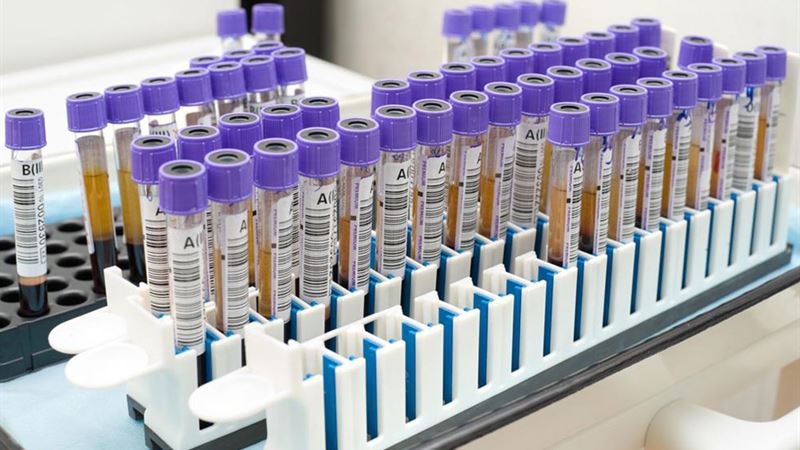
Prostate-specific antigen (PSA) testing, when combined with a digital rectal exam (DRE), remains a cornerstone in the early detection of prostate health issues, particularly prostate cancer. This is especially crucial for men over the age of 50, who are at a heightened risk of developing prostate-related illnesses. In the context of age-adjusted PSA screening, a PSA level exceeding 4 nanograms per milliliter (ng/mL) in the blood is generally considered a warning sign requiring further diagnostic analysis. Elevated PSA readings often prompt additional tests, such as biopsies or imaging studies, to confirm the presence or absence of prostate cancer. Notably, while PSA levels above 4ng/mL are typically viewed as abnormal, it's critical to recognize that men with lower PSA levels can still harbor prostate cancer, underscoring the importance of comprehensive evaluation and monitoring.
PSA levels are known to fluctuate throughout a man's lifetime, necessitating the use of age-specific reference ranges to improve diagnostic accuracy. Recognizing this, medical guidelines have established different thresholds for PSA levels based on age groups to better identify those at risk. For men up to 49 years old, a PSA level higher than 2.5 ng/mL might indicate potential concern, prompting further investigation. For individuals aged between 50 and 59, a PSA level at or above 3.5 ng/mL may raise suspicion of prostate anomalies, including cancer. Men aged 60 and above are advised to be vigilant if their PSA levels reach or surpass 4 ng/mL, which warrants additional testing. This stratified approach helps reduce unnecessary biopsies while ensuring that those with early signs of prostate disease receive timely diagnosis and treatment.
Since prostate cancer often progresses silently in its initial stages, early detection strategies such as age-adjusted PSA testing become invaluable tools in preventive healthcare. These tests significantly enhance the likelihood of diagnosing cancer at an early, more treatable stage, thereby improving survival outcomes. Many medical professionals credit the development of age-specific PSA reference ranges with lowering the rates of advanced prostate cancer diagnoses. Nonetheless, reliance solely on these age-adjusted levels may not be sufficient, as various factors influence PSA values. Racial and ethnic differences, geographic variations, genetic predispositions, and lifestyle choices also impact prostate cancer risk. For example, certain racial groups, such as African-American men, show higher susceptibility to prostate cancer and may require tailored screening protocols. Ongoing research aims to refine PSA screening methods further by integrating multiple risk factors—including underlying health conditions, genetic markers, and lifestyle habits—into a more personalized risk assessment framework.
In addition to traditional PSA thresholds, innovative diagnostic approaches are being developed to enhance early detection accuracy. These include combining PSA testing with novel biomarkers, imaging techniques like MRI, and genetic profiling. Advances in understanding the biological and environmental factors influencing prostate cancer are paving the way for personalized screening strategies that account for individual risk profiles. The goal is to detect prostate cancer as early as possible while minimizing false positives and unnecessary interventions. Future screening guidelines may incorporate a combination of age, race, lifestyle, and genetic predisposition to optimize early detection and improve patient outcomes. Regular screening, especially for men over 50 or those with known risk factors, remains essential in prostate health management.