
Comprehensive Guide to Age-Based PSA Levels and Prostate Cancer Detection
This comprehensive guide explains age-specific PSA levels vital for early prostate cancer detection. Learn how PSA levels vary with age, the importance of screening, and emerging diagnostic methods to improve outcomes. Tailored screening protocols help reduce advanced prostate cancer cases, saving lives through early intervention.
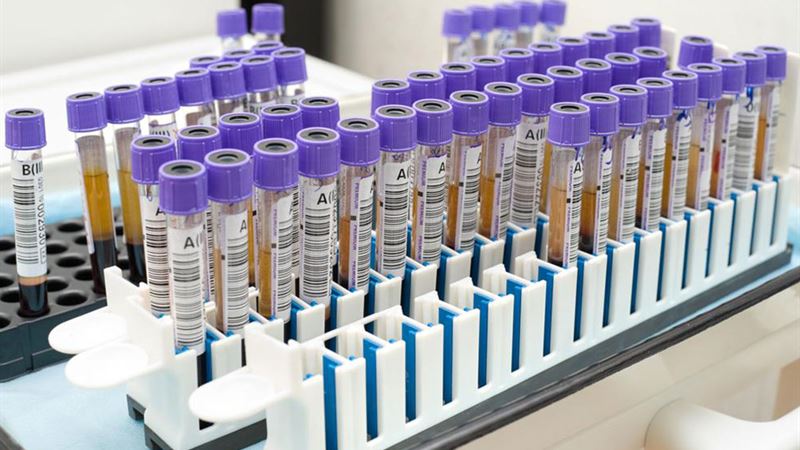
Prostate-specific antigen (PSA) testing has become a fundamental aspect of men's health screening, especially as men age. Incorporating age-specific PSA level assessments alongside digital rectal examinations (DRE) significantly enhances early detection of prostate abnormalities, including cancer. This combined approach is especially crucial for men over 50, a demographic at increased risk for prostate diseases. Understanding the variations in PSA levels across different age groups can help healthcare providers make more informed decisions regarding diagnosis and treatment strategies.
Typically, a PSA blood level exceeding 4 nanograms per milliliter (ng/mL) is flagged as potentially abnormal, prompting further diagnostic procedures such as biopsies or imaging scans. Elevated PSA levels are often associated with prostate cancer, but they can also indicate benign conditions like prostatitis or benign prostatic hyperplasia (BPH). Notably, some men with PSA levels below 4 ng/mL may still harbor prostate cancer, underscoring the importance of comprehensive assessment.
PSA levels naturally fluctuate throughout a man's life due to various physiological changes. Because of this, medical experts recommend age-adjusted PSA reference ranges to improve accuracy. For instance, men under 50 typically have lower PSA levels, with values above 2.5 ng/mL considered abnormal. Men between the ages of 50 and 59 should be evaluated if PSA levels surpass 3.5 ng/mL. For those aged 60 and above, a PSA reading of 4 ng/mL or higher warrants attention, as it may suggest the presence of prostate pathology, including cancer.
Early detection of prostate cancer is vital since the disease often presents no noticeable symptoms in its initial stages. Implementing routine age-specific PSA testing increases the likelihood of identifying prostate abnormalities earlier, thereby improving treatment outcomes. Advances in screening techniques and a better understanding of PSA dynamics have resulted in a significant decline in cases diagnosed at an advanced stage. The age-specific approach offers a tailored screening process that considers the individual’s age, thereby reducing unnecessary biopsies and overdiagnosis.
While age is a crucial factor, other variables such as race, ethnicity, and geographical location also influence prostate cancer risk. For example, African-American men tend to have higher PSA levels and a greater incidence of prostate cancer, prompting researchers to explore additional risk factors beyond age alone. Consequently, ongoing studies aim to develop more refined screening models that integrate genetic, lifestyle, and environmental factors to improve accuracy and reduce false positives.
In addition to traditional PSA testing, new diagnostic tools are emerging, including free PSA ratio, PSA velocity, and prostate imaging techniques like multiparametric MRI. These methods help differentiate between benign conditions and malignant tumors, allowing for more precise diagnosis. Moreover, personalized screening approaches are being developed, considering patient-specific risk factors for better management and cost-effective healthcare. The goal is to create a comprehensive screening protocol that maximizes early detection while minimizing unnecessary interventions.
Education and awareness regarding prostate health and the importance of regular screening are essential components in reducing prostate cancer mortality. Men over 40 should consult their healthcare providers to establish a screening schedule tailored to their risk profile. Lifestyle modifications, including a balanced diet, regular exercise, and avoiding smoking, can play a supportive role in prostate health maintenance. Ultimately, a combination of age-appropriate PSA testing, advanced diagnostic tools, and lifestyle changes offers the best strategy for combating prostate disease effectively.