
Comprehensive Guide to Preventing and Managing Hair Thinning
Learn comprehensive strategies to prevent hair thinning, identify early signs, and explore effective products and lifestyle tips. This detailed guide covers causes, symptoms, dietary advice, scalp care, and top treatments to promote healthy hair growth and reduce hair loss effectively.
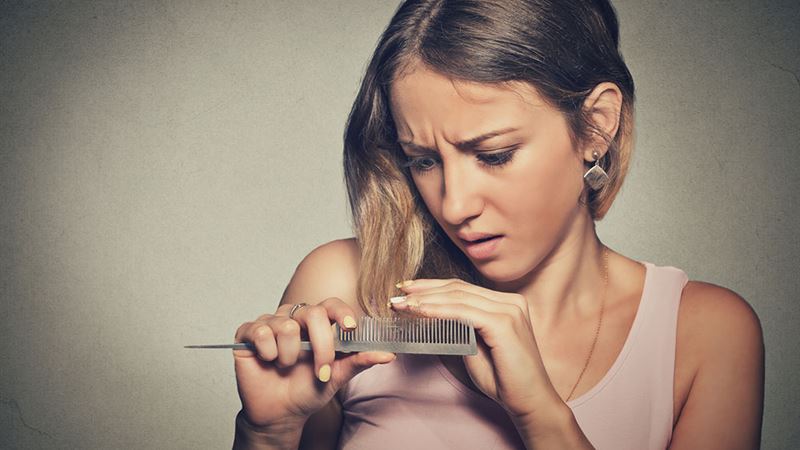
Among the primary lifestyle habits contributing to hair thinning are:
- Excessive use of styling devices and chemical treatments
Frequent coloring, perming, flat-ironing, curling, and chemical relaxers can weaken hair strands over time, damaging the follicles and scalp health. - Harsh hair care products
Products with strong chemicals, such as permanent dyes, heavy-hold gels, sprays, and bleaches, can strip away natural oils and exacerbate hair thinning. - Tight hairstyles
Consistently pulling hair into ponytails, buns, or braids can cause tension on hair roots, leading to traction alopecia. - Poor dietary habits
An inadequate intake of essential nutrients like iron, zinc, biotin, and vitamins such as B12 and D may hinder healthy hair growth, resulting in hair thinning. - Chronic stress
Elevated stress levels influence hormonal balance, impeding hair regeneration cycles and promoting hair loss.
Aside from these lifestyle factors, many other conditions can cause hair thinning. These include hormonal fluctuations due to pregnancy, childbirth, menopause, or discontinuation of birth control pills; autoimmune disorders like alopecia areata; weight fluctuations; certain medical treatments like chemotherapy; nutritional deficiencies; skin infections; and systemic illnesses. Less common causes encompass eating disorders, high fever episodes, hair-pulling disorders (trichotillomania), and scalp trauma.
Recognizing the signs of hair thinning
It’s crucial to identify early signs to prevent further loss. Symptoms often manifest on the scalp but may eventually extend to other body areas. Common indicators include:
- Localized bald spots
Patches of hair loss on specific scalp areas, especially crown or temples, are typical signs of thinning or pattern baldness. - Hair clumping
Noticeable hair fragments on hands or brush might indicate significant shedding. - Reduced hair volume
Thinner ponytails and visible scalp patches suggest ongoing follicular decline. - Expanding scalp visibility
Rapidly increasing bald areas point to accelerating hair thinning.
Effective strategies to halt and treat hair thinning
Addressing hair thinning involves a combination of products and lifestyle modifications. Scientific research offers several effective remedies. Here are proven tips and interventions:
- Enhance protein intake
Incorporate nutrient-rich foods like fish, lean meats, eggs, dairy, and plant-based proteins. Protein supports keratin synthesis, essential for healthy hair growth. Supplements such as biotin or collagen can also help. - Avoid tight hairstyles and damaging accessories
Loosen tight ponytails or buns, and steer clear of heavy extensions or hairpieces that strain hair follicles. Regularly changing styles reduces tension and breakage. - Monitor and manage underlying health conditions
Conditions like thyroid disorders significantly influence hair health. Regular check-ups, especially for hypothyroidism or hyperthyroidism, can prevent or mitigate thinning. - Maintain optimal vitamin and mineral levels
Vitamin D, B12, zinc, iron, and biotin are pivotal for scalp vitality. Blood tests and supplementation under doctor supervision can correct deficiencies. - Consistent hair conditioning and scalp care
Use moisturizing shampoos and conditioners to prevent dehydration. Incorporate scalp massages to stimulate blood flow and hair follicle activity. - Implement a balanced, healthy lifestyle
Regular exercise, ample sleep, stress management, and avoiding smoking or excessive alcohol consumption promote overall health and benefit hair vitality.
Top treatments and over-the-counter products for hair thinning
Seeking medical advice is paramount in severe cases. However, many topical and supplement options are available that can aid in stimulating growth and preventing further loss. Here's a review of some popular products currently favored by dermatologists and users:
- Women’s 5% Minoxidil Foam for Hair Regrowth
- Men’s 5% Minoxidil Solution by Rogaine
- Dove Dermacare Scalp Anti-Dandruff Shampoo
- Head & Shoulders Classic Clean 2-in-1 Shampoo
- Nutrafol Hair Growth Supplement
- Viviscal Extra Strength Tablets
- Alterna Caviar Densifying Shampoo
- Paul Mitchell Tea Tree Scalp Care Anti-Thinning Shampoo
- Kiehl’s Magic Elixir Hair Restructuring Concentrate
- Bumble and Bumble Full Potential Shampoo
- Ouai Treatment Masque
This topical foam combines minoxidil with botanical extracts like aloe vera and herbal derivatives. It helps prolong the anagen phase (growth phase) of hair follicles, promoting thicker, healthier hair. Clinical trials indicate over 80% efficacy among women, making it a leading choice for female-pattern hair loss.
As the first FDA-approved treatment for androgenetic alopecia, Rogaine's minoxidil solution effectively stimulates dormant hair follicles. It enhances scalp microcirculation, resulting in thicker and stronger hair strands. Suitable for men experiencing receding hairlines or crown thinning, it’s widely trusted worldwide.
Affordability and effectiveness make this shampoo popular. Its key ingredient, zinc pyrithione, reduces dandruff-causing microbes, thereby protecting hair roots and promoting healthy growth. It also alleviates scalp itchiness and flaking, common contributors to hair thinning.
This over-the-counter shampoo combines zinc pyrithione and selenium sulfide to combat dandruff and scalp fungi. It helps maintain scalp cleanliness and allows hair to grow in an environment free from buildup and infections.
This physician-formulated supplement uses botanicals, DHT inhibitors, and anti-inflammatory ingredients. Vitamins, minerals, and amino acids are incorporated to support healthy follicles, particularly in cases driven by hormonal imbalances. Patience is necessary as results appear after consistent use over several months.
Rich in biotin, vitamin C, and marine complex AminoMar, these tablets nourish hair from within. They extend the anagen cycle, resulting in thicker, fuller hair. Viviscal also offers shampoos and conditioners for comprehensive care.
Developed with celebrity hairstylist Andrew Fitzsimons, this luxe shampoo reduces DHT levels with natural ingredients like red clover complex, improving thickness and density. It strengthens existing hair strands and promotes a healthy scalp environment.
This scalp-focused shampoo includes tea tree oil, turmeric, ginseng, and other botanicals to combat excess sebum, dandruff, and scalp buildup. Regular use maintains scalp health and prevents follicle clogging that can lead to thinning.
Featuring rosemary oil, this pre-wash treatment nourishes the scalp, stimulates circulation, and fortifies hair roots. Applying a few drops before shampoo helps improve overall hair health and reduces shedding.
Designed to strengthen scalp and hair fibers, this shampoo improves hair resilience over time. It can be used as part of a comprehensive thinning hair regimen, especially when integrated with styling techniques that promote volume.
While primarily aimed at repairing damaged hair and split ends, this mask fortifies strands, making them less prone to breakage—an important factor in maintaining volume and appearance in thinning hair.